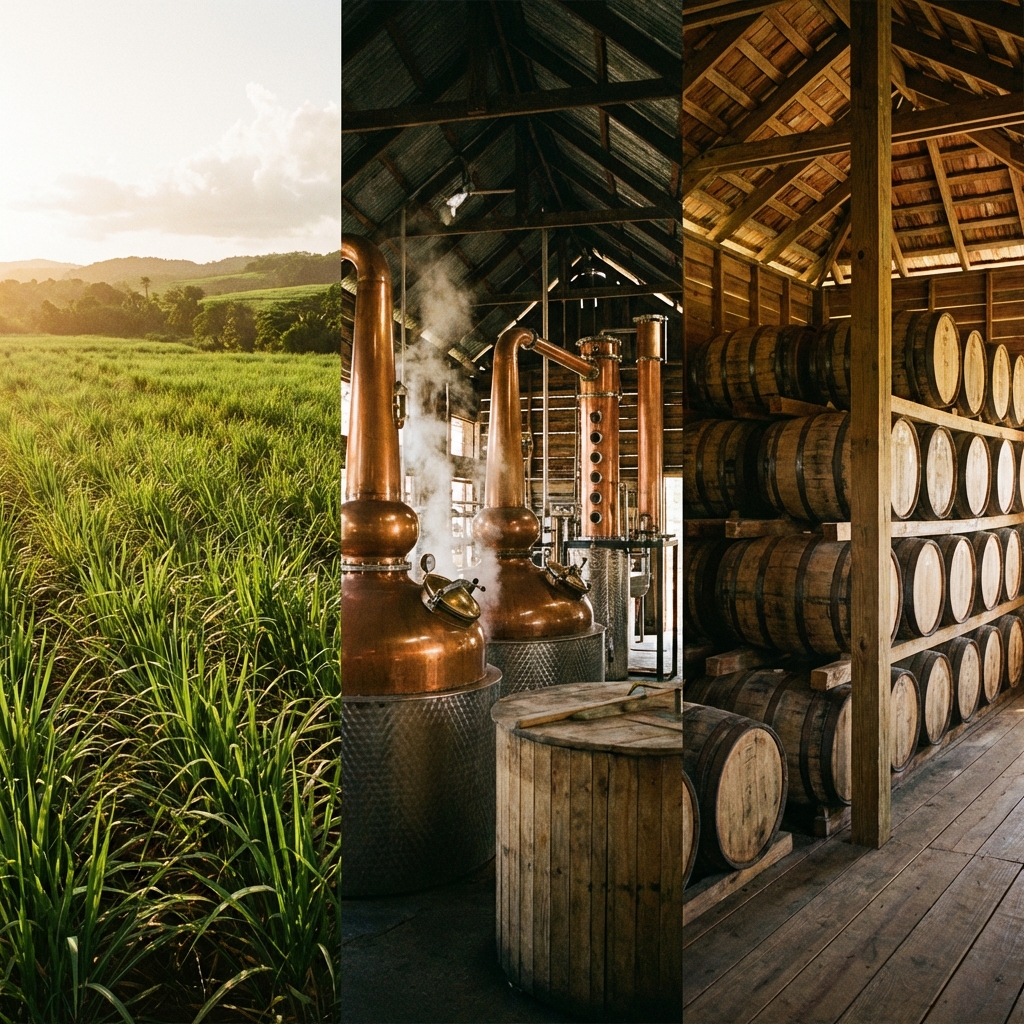
Rum begins its life in the sugarcane fields, not the grain silo. Unlike whisky or vodka, which rely on cereals, rum is made from sugarcane and its by-products.
That single difference explains much of rum's diversity. From light and crisp to dark and deeply rich, rum styles vary widely depending on how and where they are made.
While production methods differ between countries and producers, the core process remains broadly the same. Understanding it helps explain why one rum tastes nothing like another.
Ingredients
Rum is built on just a few essential ingredients: sugarcane, water, yeast, and time. The form that sugarcane takes plays a major role in defining the final style.
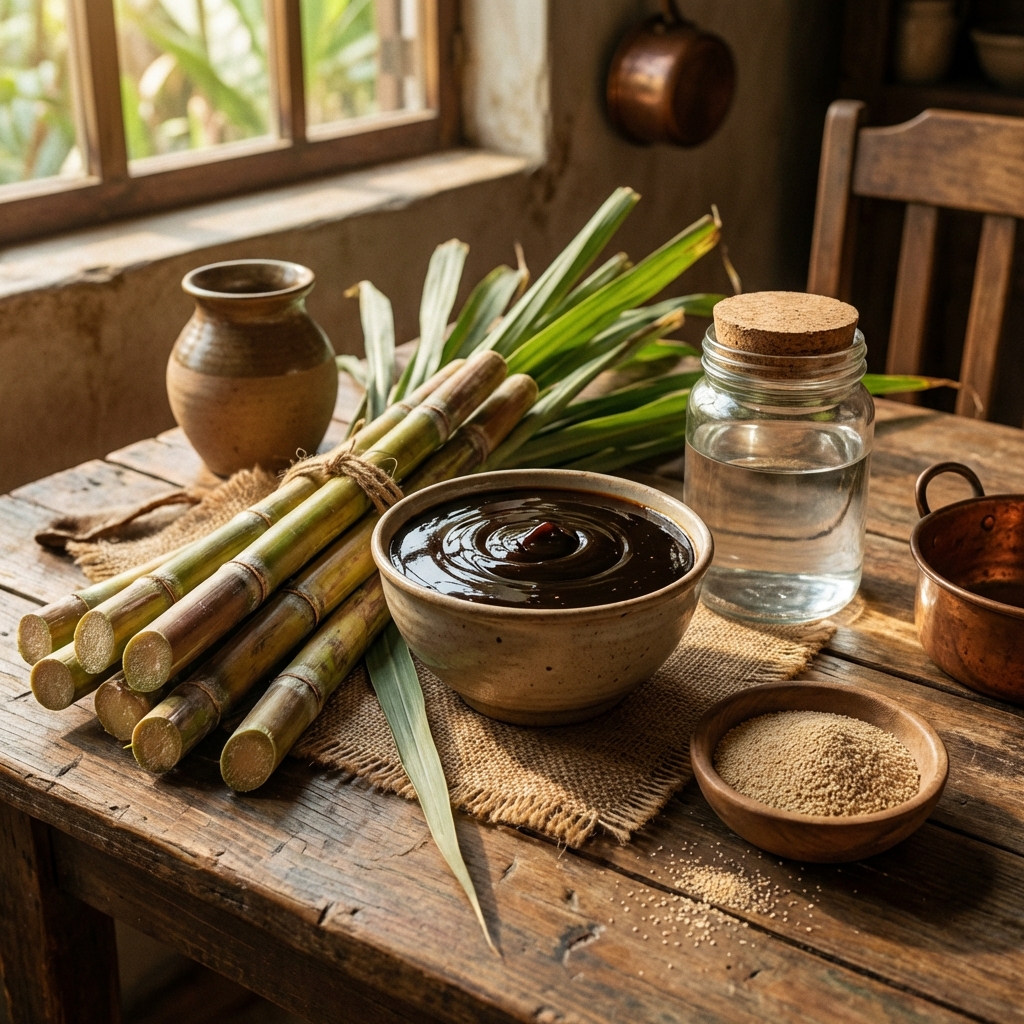
Most rum is made from molasses, a thick, dark syrup left over after sugar is refined from sugarcane juice. Molasses is rich in fermentable sugars and brings deep, robust flavours.
Some rums are made directly from fresh sugarcane juice instead. These rums, often called rhum agricole, tend to be lighter, grassier, and more vegetal in character, reflecting the freshness of the cane itself.
Yeast converts sugar into alcohol during fermentation, while water is used throughout the process. As with other spirits, time allows rum to mature and soften, particularly when aged in oak.
Fermentation
Fermentation is where rum begins to develop its personality. Molasses or sugarcane juice is diluted with water, then yeast is added to start the conversion of sugar into alcohol.
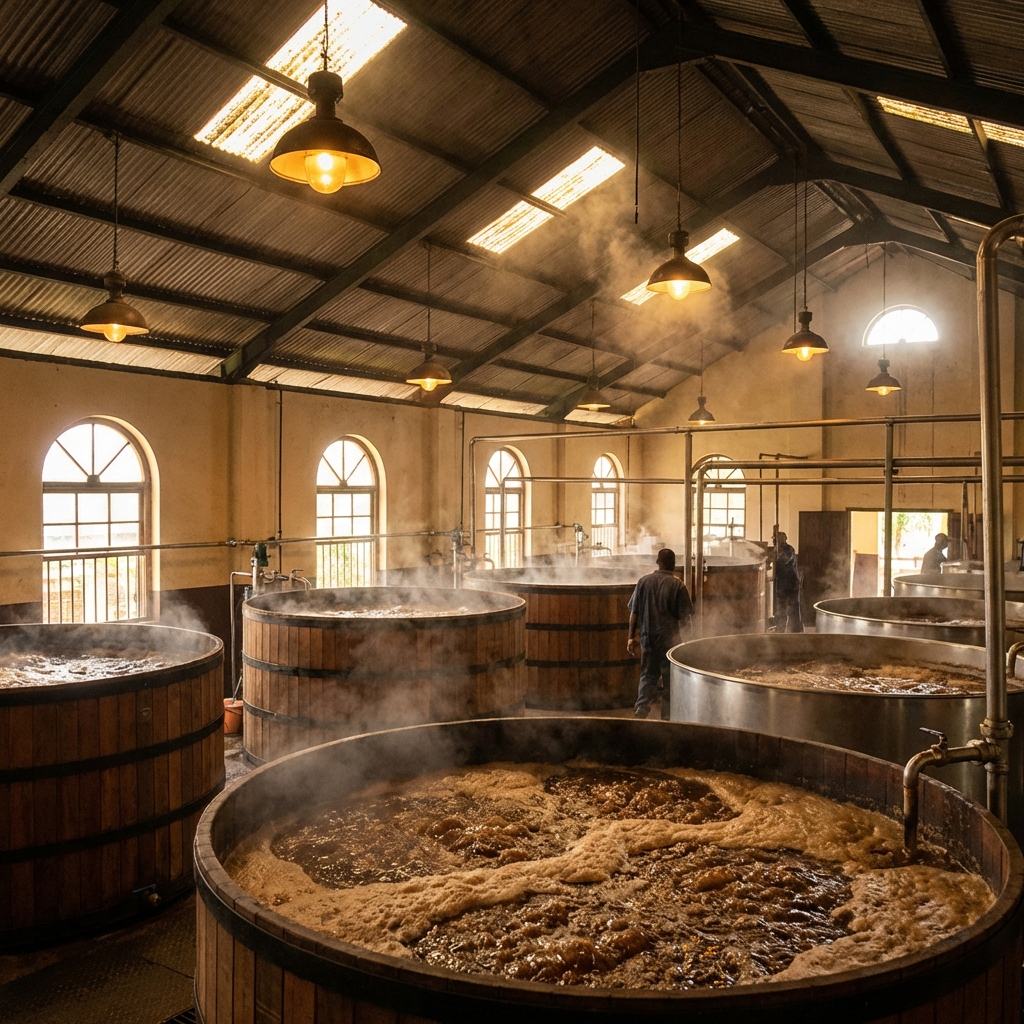
Fermentation times vary dramatically. Some producers ferment for just a day or two, creating a lighter spirit. Others allow fermentation to run for a week or more, producing heavier, funkier flavours.
This stage is critical for flavour development. Yeast produces esters and other compounds that later define aromas and taste, from tropical fruit to spice and earthiness.
By the end of fermentation, the liquid resembles a strong, aromatic beer and is ready for distillation.
Distillation
Distillation concentrates the alcohol and refines the flavours created during fermentation. Rum can be distilled using either pot stills or column stills, and the choice has a major impact on style.
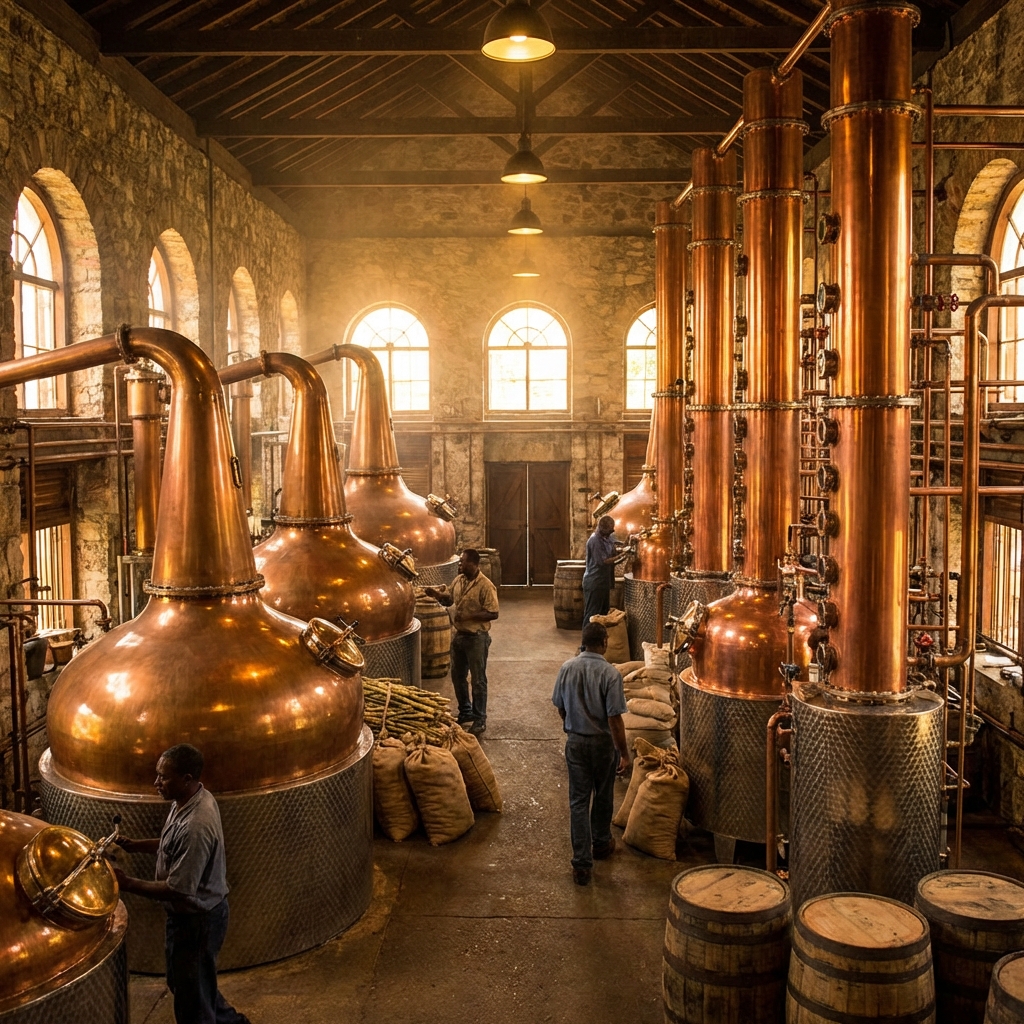
Pot stills tend to produce heavier, more characterful rums with bold flavours. Column stills are more efficient and often create lighter, cleaner spirits.
Many producers use a combination of both, blending different distillates to achieve balance and complexity. Distillation strength also matters; higher proof distillates tend to be lighter, while lower proof spirits retain more flavour.
Maturation
Not all rum is aged, but maturation plays a crucial role in many of the world's most respected styles. Freshly distilled rum is clear and fiery. Time in oak transforms it.
Oak casks add colour, smoothness, and flavour. Many rums are aged in former bourbon barrels, which contribute notes of vanilla, caramel, and spice.
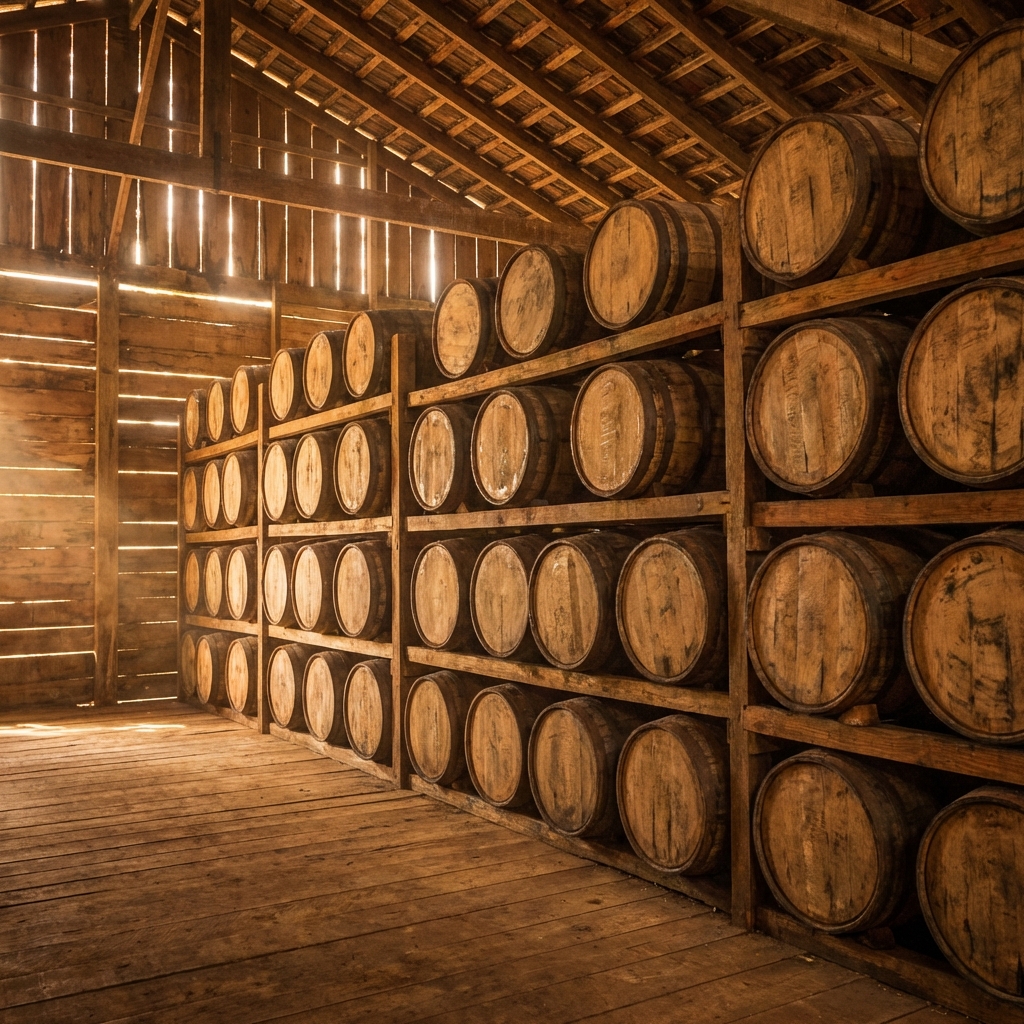
Climate has a dramatic effect. In tropical conditions, rum matures much faster than spirits aged in cooler climates. Higher temperatures increase interaction between spirit and wood, accelerating ageing.
This also leads to higher evaporation. The angel's share can exceed six percent per year in hot climates, meaning aged rum becomes rarer and more concentrated over time.
Bottling
Before bottling, rum may be diluted with water to reach its final strength. Some rums are bottled at higher proof to preserve intensity.
Filtration and colouring practices vary widely. Some producers add caramel colouring for consistency, while others rely solely on natural cask colour.
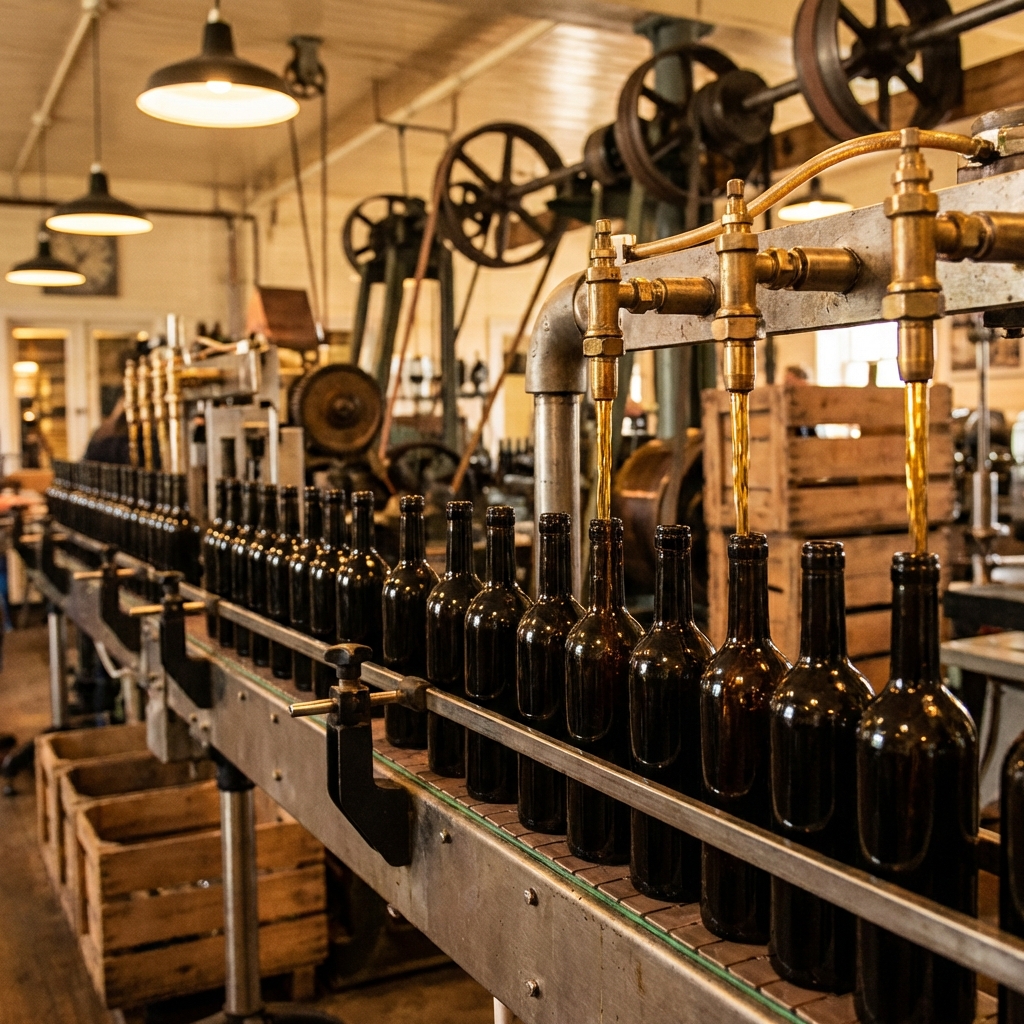
Sweetening is also permitted in some regions and styles, though practices differ by country and producer. Labels do not always make these choices obvious.
Why Production Matters
Rum's diversity comes directly from production choices. Fermentation length, still type, ageing climate, and cask selection all leave a clear imprint on the final spirit.
Understanding how rum is made helps explain why styles vary so widely and why comparisons between bottles can be challenging but rewarding.
Whether you prefer light and crisp, dark and rich, or something boldly aromatic, those preferences can often be traced back to decisions made long before the rum ever reached the bottle.
Buying your first bottle to drink neat? Sipping rum against mixing rum in the Spirit Showdown →