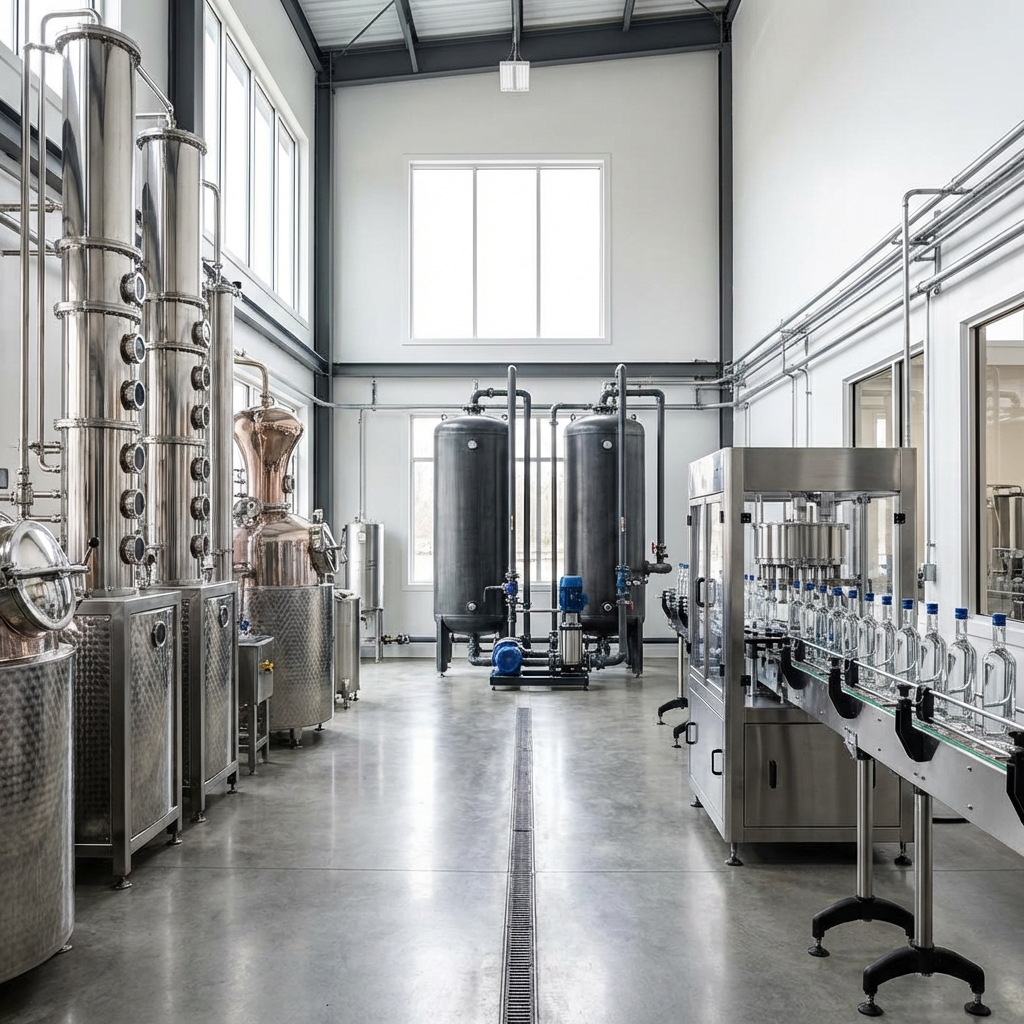
Vodka is often described as neutral, clean, or flavourless. But achieving that purity is the result of deliberate production choices rather than a lack of process.
Unlike whisky, rum, or tequila, vodka is designed to minimise flavour rather than develop it. The goal is a smooth, refined spirit that serves as a versatile base for drinking neat or in cocktails.
Understanding how vodka is made helps explain why some vodkas feel softer, creamier, or cleaner than others, even when they appear identical.
Ingredients
Vodka begins with three essential elements: a fermentable raw ingredient, water, and yeast. Unlike other spirits, almost any agricultural product containing starch or sugar can be used.
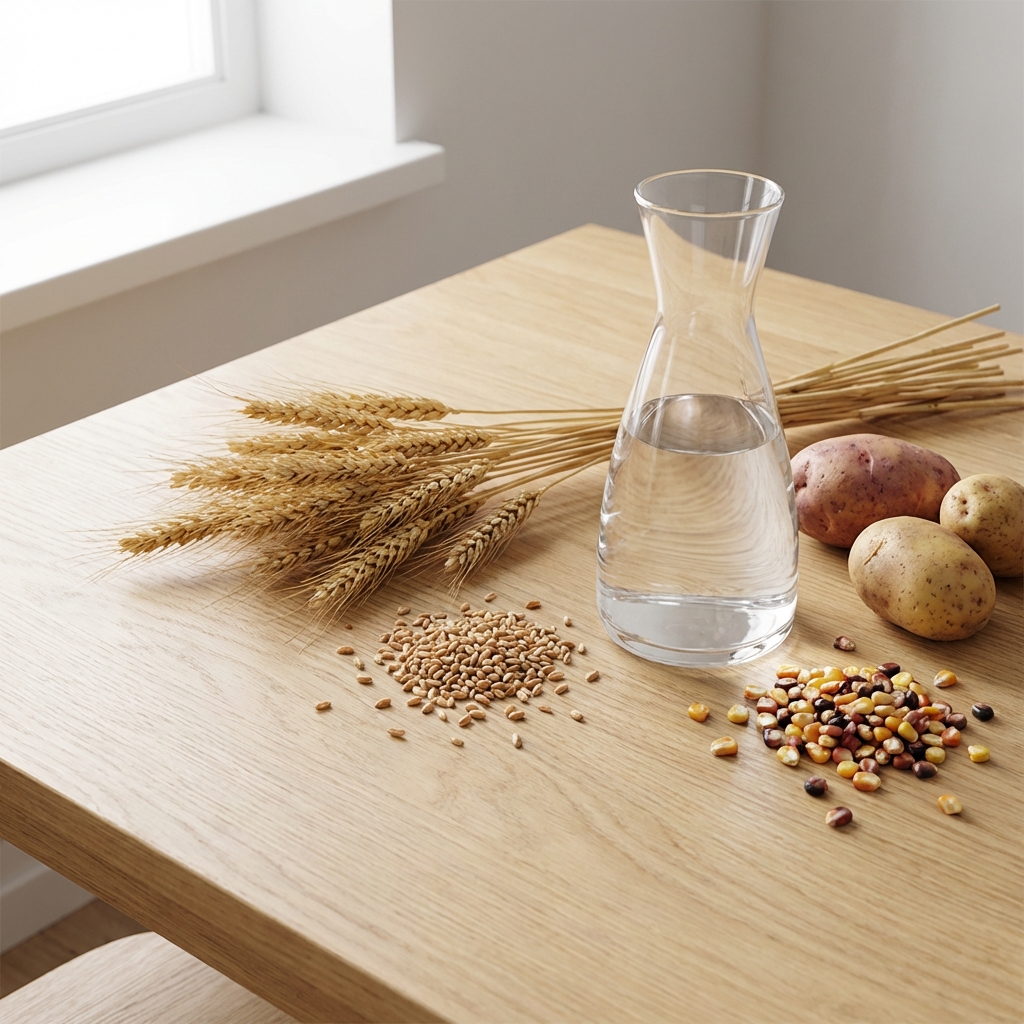
Traditional vodka-producing regions often rely on grains such as wheat or rye, while others use potatoes, corn, or even grapes. Each raw material brings subtle differences in texture and mouthfeel.
Yeast converts sugars into alcohol during fermentation, and water plays a central role throughout production, particularly during dilution before bottling.
Fermentation
The raw ingredient is processed to extract fermentable sugars, then mixed with water and yeast. Fermentation typically lasts a few days.
Unlike rum or whisky, fermentation in vodka production is not intended to create flavour. The aim is efficiency and consistency, producing a clean alcoholic wash.
Once fermentation is complete, the liquid resembles a weak, cloudy beer and is ready for distillation.
Distillation
Distillation is the most critical step in vodka production. The fermented liquid is distilled repeatedly to increase purity and remove flavour compounds.
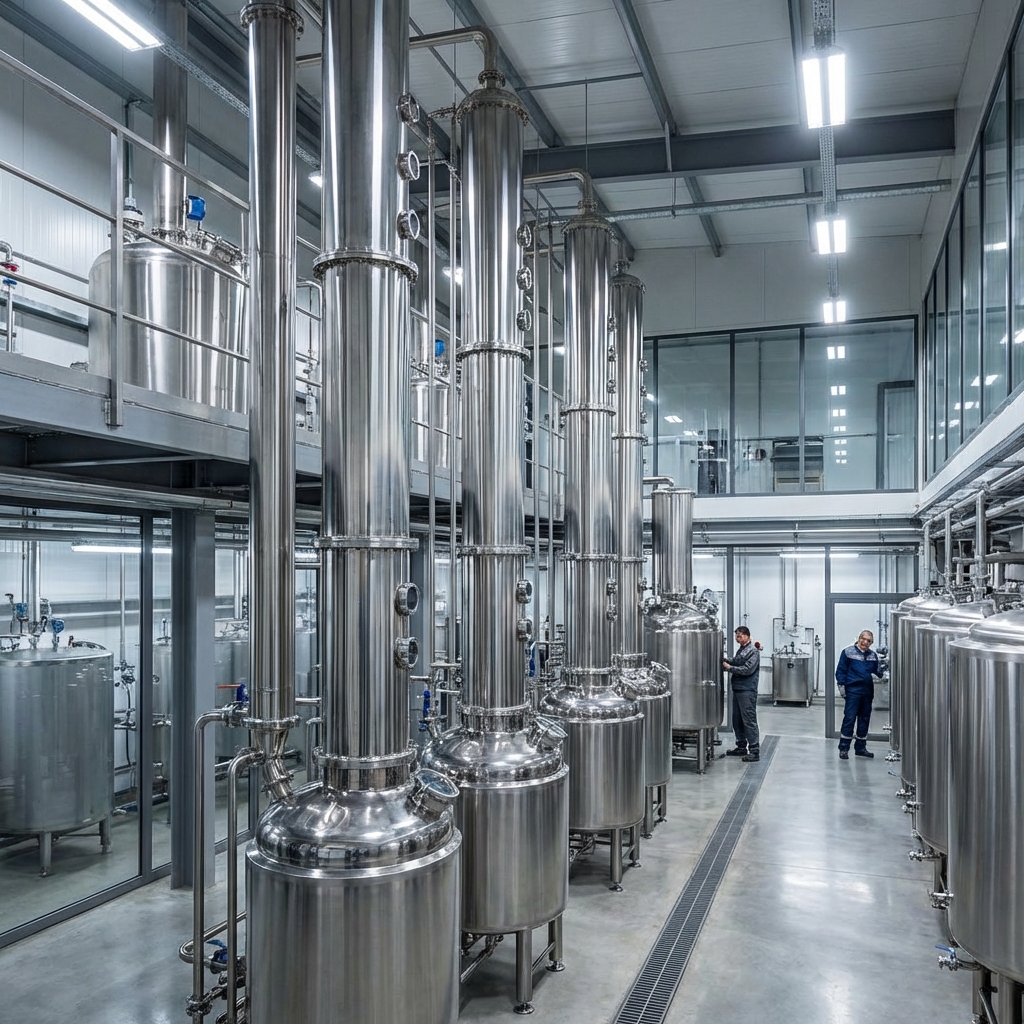
Vodka is typically distilled in column stills, which allow for very high alcohol strength. Many vodkas are distilled to around 95 or 96 percent alcohol.
The higher the distillation strength, the more impurities and congeners are removed. This is what gives vodka its characteristic neutrality.
Filtration
After distillation, many vodkas undergo additional filtration. This step further refines the spirit and smooths its texture.
Activated charcoal filtration is common, though producers may also use sand, paper, or other materials. Some vodkas are filtered multiple times.
Filtration removes trace impurities and can influence how soft or crisp the vodka feels on the palate.
Dilution and Bottling
Before bottling, vodka is diluted with water to reach its final strength, most commonly 40 percent ABV.
Water quality is especially important at this stage. Since vodka has little flavour of its own, the character of the water can noticeably affect mouthfeel and finish.
Unlike whisky or rum, vodka is not aged. Once diluted and filtered, it is ready for immediate bottling and distribution.
Why Production Matters
Vodka's differences are subtle, but they are real. Raw material choice, distillation strength, filtration, and water all shape the final spirit.
Understanding how vodka is made helps explain why some feel silky and rounded, while others taste sharper or drier.
Once you know what to look for, vodka becomes less about absence of flavour and more about balance, texture, and refinement.