There's a common belief that all gin tastes the same. Pine-forward, dry, and sharp. Something you mix with tonic or pour into a martini without thinking too hard about it.
But if you've ever tried a citrus-heavy gin next to a floral one, or compared a classic London Dry with a contemporary craft gin, you'll know that's not quite true.
The reality is that gin is one of the most varied spirit categories in the world. Different gins can taste wildly different, even when they share the same legal classification. The common thread that ties them together isn't a single flavour profile. It's a single botanical: juniper.
What is gin?
At its most basic, gin is a neutral spirit that has been flavoured with botanicals, with juniper berries as the dominant flavour. That's the legal requirement in most of the world, including the UK and EU. If juniper isn't the primary taste, the spirit can't be called gin.
This is what distinguishes gin from vodka. Both start life as neutral spirits, highly purified alcohol with minimal character of their own. But while vodka aims to remain as clean and neutral as possible, gin is defined by the botanicals that are added to it.
Think of it this way: vodka is about purity, gin is about flavour.
If you're curious about the production process in more detail, you can explore our gin production guide.
The role of botanicals
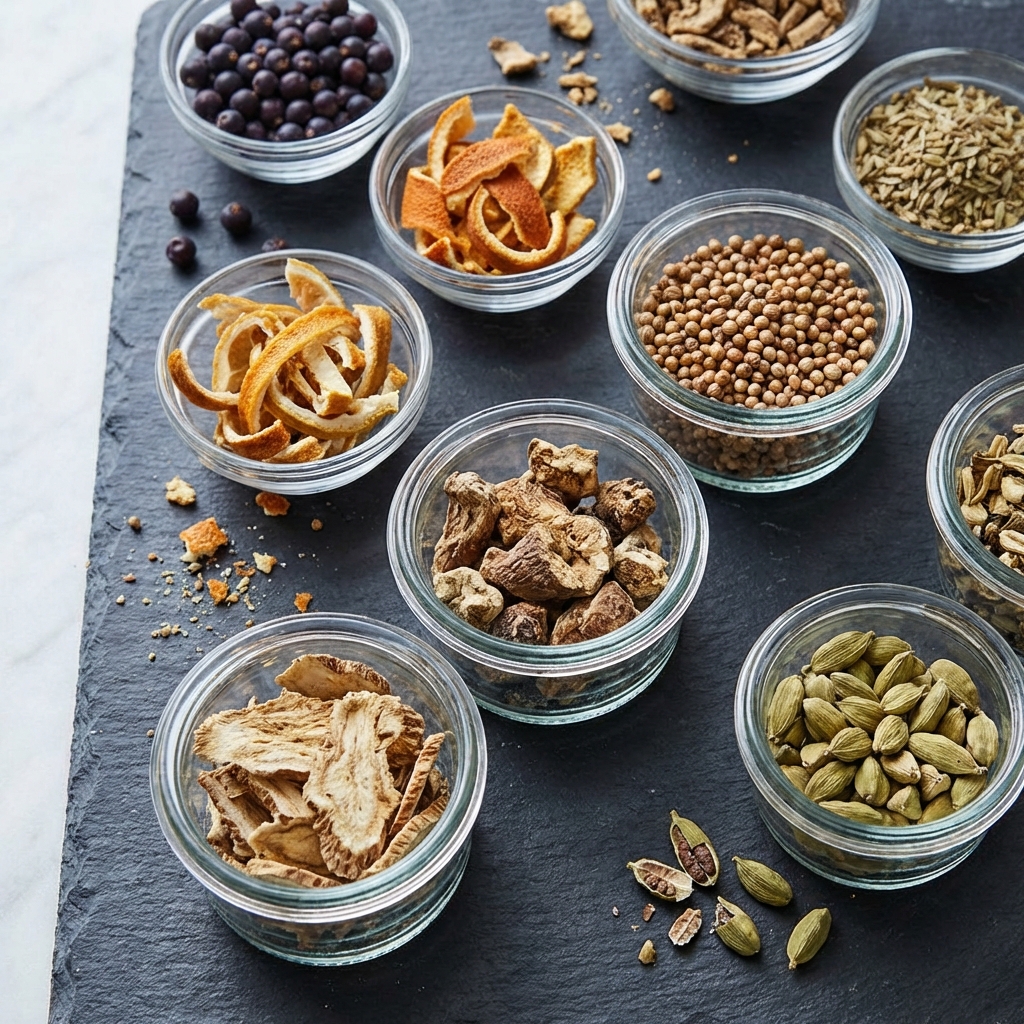
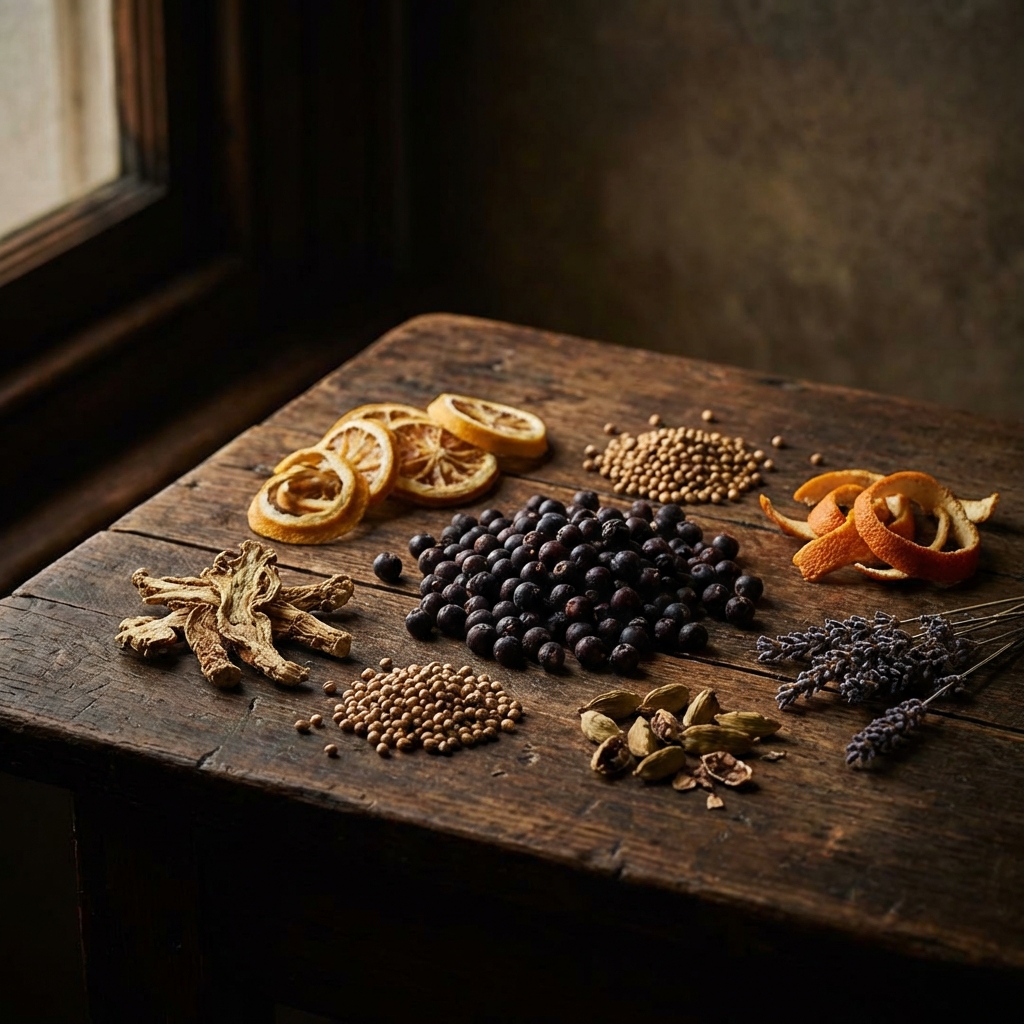
Botanicals are the heart of gin. They're the natural ingredients, roots, seeds, peels, berries, flowers, and bark, that give each gin its unique character. A typical gin might use anywhere from six to twelve different botanicals, though some use far more.
Juniper
Juniper is the only botanical that every gin must include. It provides the familiar piney, resinous quality that most people associate with gin. Some gins lean heavily into juniper, making it bold and assertive. Others use just enough to meet the legal requirement, allowing other botanicals to take centre stage.
Citrus peels
Lemon, orange, grapefruit, and sometimes more exotic citrus like yuzu or bergamot add brightness and lift to a gin. They often cut through the heavier botanical notes and add a refreshing quality. Citrus-forward gins have become particularly popular in recent years.
Spices
Coriander seeds are the second most common botanical in gin, adding lemony and slightly peppery notes. Cardamom, cassia bark, cubeb berries, and grains of paradise are also widely used, contributing warmth and complexity.
Floral and herbal botanicals
Orris root, angelica, lavender, chamomile, and rose petals are often used to add softness and elegance. These can make a gin feel more delicate and nuanced. Orris and angelica in particular are often described as "binding" agents, helping the other flavours come together into a harmonious whole.
What matters most isn't the number of botanicals a gin contains, but the balance and intention behind them. A well-made gin with six botanicals can be more interesting than one with thirty if the distiller has carefully considered how each ingredient contributes to the final flavour.
Why different gins taste so different
If all gins must contain juniper, why do they taste so different? The answer lies in the many choices a distiller makes during production.
Botanical selection is the most obvious factor. A gin featuring Mediterranean herbs will taste nothing like one built around Asian spices or Nordic berries. Each distiller curates their own unique recipe.
Botanical ratios matter just as much. Two gins might contain identical ingredients but taste completely different because one uses twice as much citrus or half as much juniper.
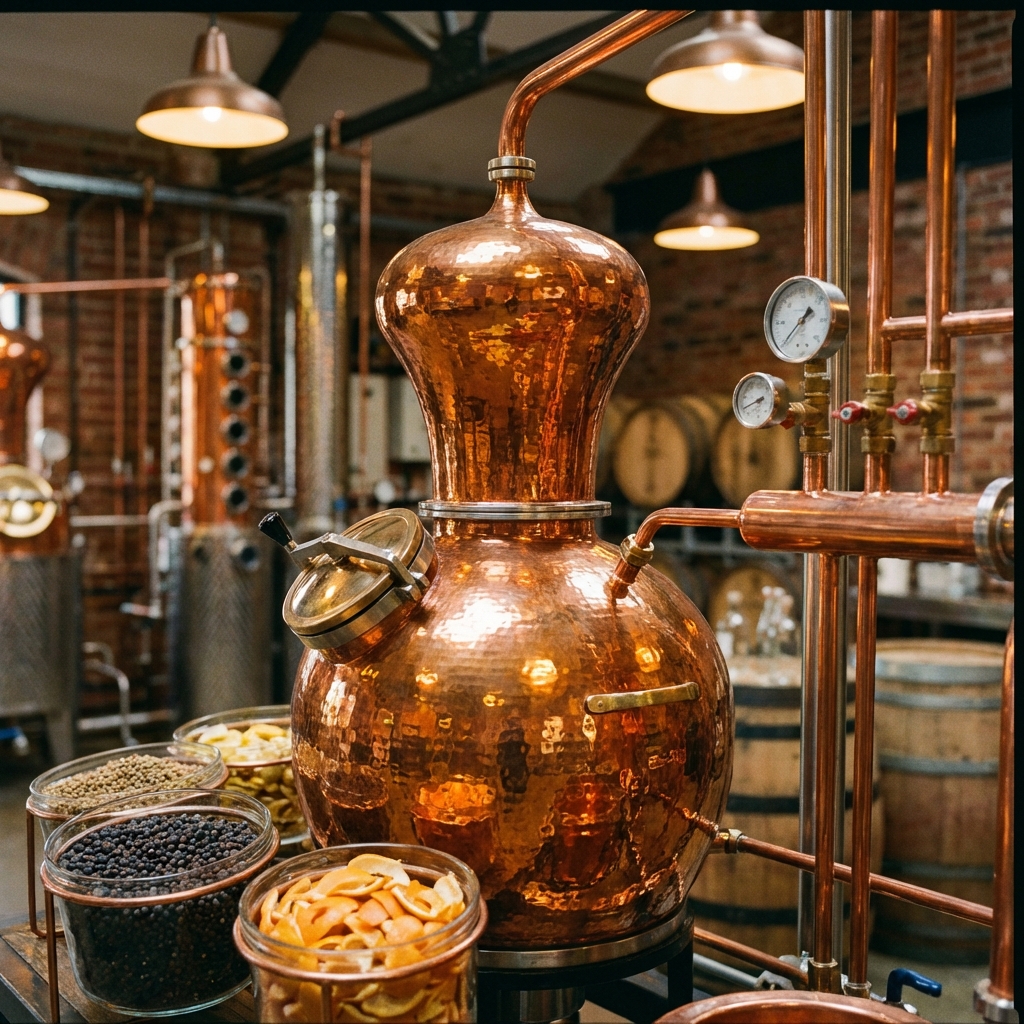
Distillation method also plays a significant role. Some distillers steep their botanicals directly in the neutral spirit before distilling. Others use vapour infusion, where the spirit vapour passes through a basket of botanicals without direct contact. These methods extract flavours differently and produce distinct results.
Base spirit choice, while often overlooked, affects the final character. Most gins use grain-based neutral spirits, but some are made with grape, potato, or other bases, each bringing subtle differences in texture and mouthfeel.
Bottling strength influences how the flavours present themselves. A gin bottled at 40% ABV will taste different from the same gin bottled at 47% ABV. Higher strength often means more intensity and better botanical definition.
Base spirit: the hidden influence
The base spirit might seem unimportant. After all, it's supposed to be neutral. But "neutral" doesn't mean "identical." Different base spirits bring subtle qualities that affect how the finished gin feels in the mouth.
Grain-based neutral spirits, typically made from wheat or barley, tend to produce a clean, crisp gin with a slightly grainy texture. This is the most common approach and works well for gins where the botanicals should be front and centre.
Grape-based neutral spirits often result in a softer, rounder mouthfeel. Some drinkers describe grape-based gins as silkier or more elegant. The base adds a subtle smoothness without competing with the botanicals.
This is why some gins feel light and sharp on the palate while others feel rounded and almost creamy, even when their botanical profiles are similar.
Traditional vs modern gin
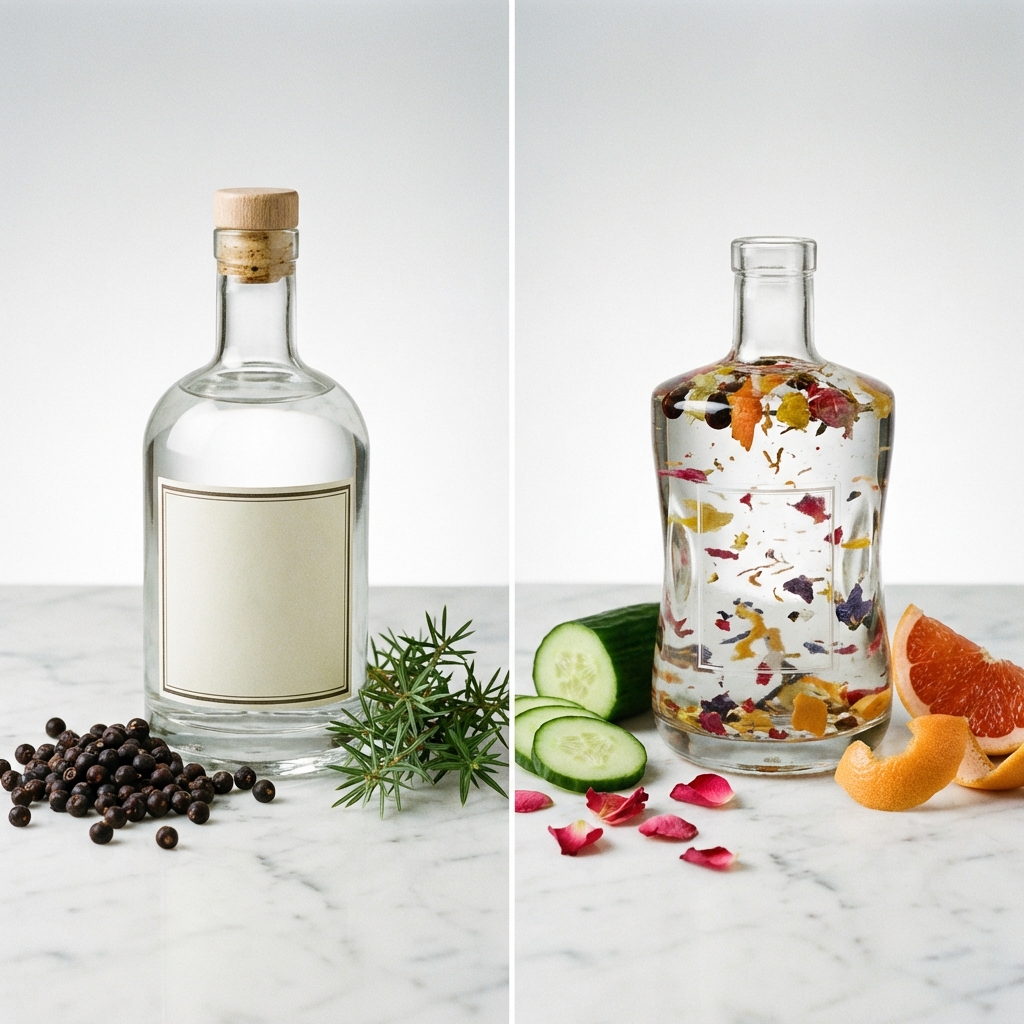
Gin discussions often refer to "traditional" and "modern" styles, but these aren't strict categories. They're more like philosophies.
Traditional or classic gin, often represented by London Dry, puts juniper at the heart of everything. The style typically features a dry, assertive character with juniper, citrus, and spice working in a familiar, time-tested balance. These gins tend to be bold, no-nonsense, and designed to stand up in cocktails.
Contemporary or modern gin takes a broader view. These gins might foreground citrus, florals, or unusual ingredients like cucumber, seaweed, or native plants from specific regions. Juniper is still present, legally required, in fact, but it often plays a supporting role rather than leading.
Neither approach is better than the other. Traditional gins offer reliability and structure. Contemporary gins offer exploration and surprise. What matters is finding the style that suits your palate and how you plan to drink it.
Why this matters when choosing a gin
Understanding what shapes gin flavour makes it easier to find bottles you'll enjoy. Instead of picking at random, you can start to make informed choices.
If you prefer bold, piney flavours, look for gins described as juniper-forward or in the London Dry style. These tend to be assertive and dry, with the classic gin character front and centre.
If you prefer citrus-forward styles, seek out gins that list lemon, grapefruit, or bergamot prominently in their botanical bill. Many contemporary gins are built around bright, zesty citrus notes.
If you prefer softer, floral gins, look for those featuring rose, lavender, chamomile, or orris root. These often have a more delicate, aromatic character that works well sipped slowly or with lighter mixers.
Tasting notes and botanical lists on labels can be helpful guides, but the best way to learn what you like is simply to try different gins and pay attention to what appeals to you.
The breadth of the gin category
Gin is far more diverse than many people realise. From London Dry classics to experimental craft spirits, from juniper-forward powerhouses to delicate floral expressions, the category offers something for almost every palate.
The more you understand about how gin is made and what influences its flavour, the easier it becomes to navigate this variety with confidence.
Whether you're just beginning to explore gin or looking to deepen your understanding, there's always more to discover.
Continue exploring