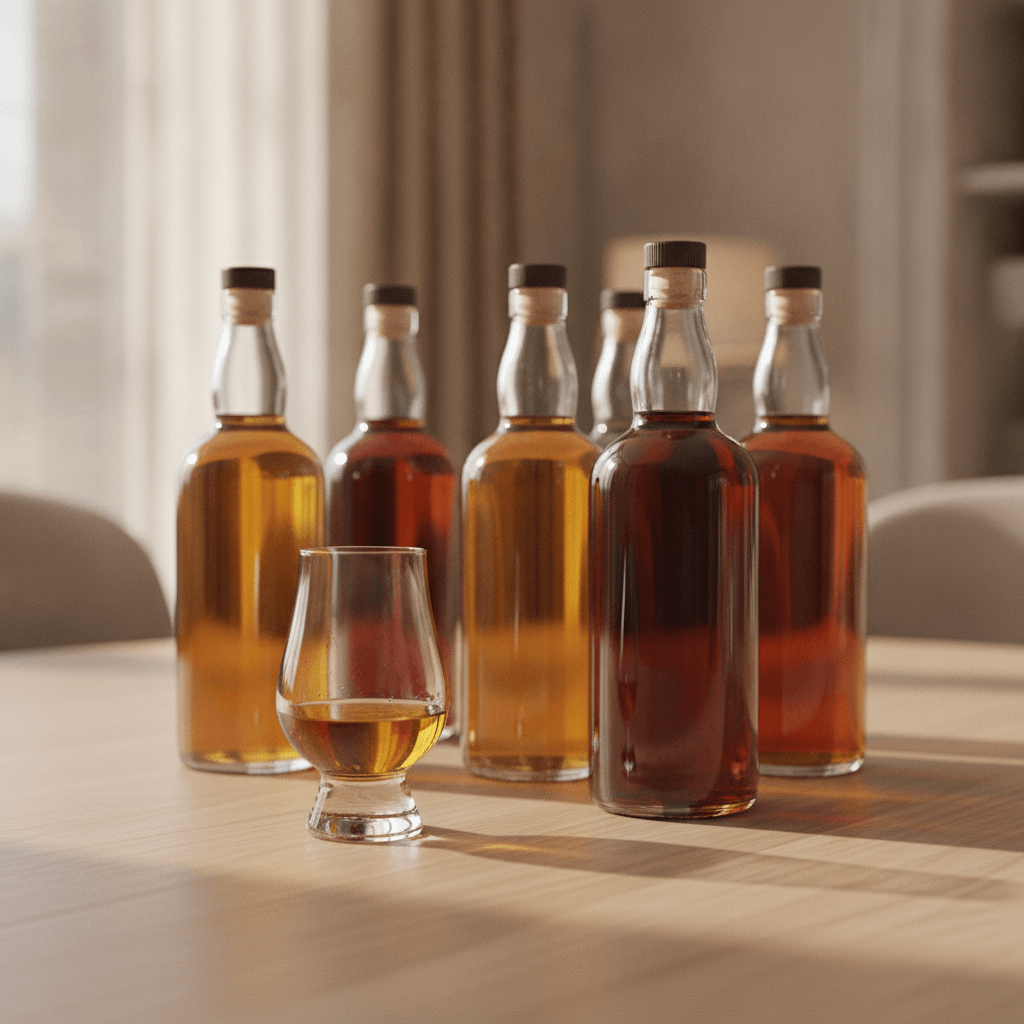
Two bottles of Irish whiskey can sit next to each other at the same price and taste nothing alike. The reason is almost always the style, and there are four of them. Learn the four and the shelf stops being a guessing game.
This piece explains what each style is, how it got that way, and what it tastes like in the glass. If you just want a recommendation, our buyer's guide to the best Irish whiskey in 2026 sorts our picks by what you want to spend.
One thing sits underneath all four styles. Most Irish whiskey is triple distilled, which means it goes through the still three times rather than twice. Each pass strips out more of the heavy, oily compounds, so the spirit comes off lighter and softer. It is a tradition rather than a rule, but it is the single biggest reason Irish whiskey drinks gentler than most Scotch.
Blended Irish whiskey
A blend marries two or more styles, usually a light grain whiskey with something heavier for backbone. It is the biggest style by a mile, and it is what most people mean when they say Irish whiskey. Expect soft citrus, vanilla, light malt and a short, clean finish.
Jameson Black Barrel shows what a blend can do when the casks are working hard, with double-charred bourbon barrels adding toasted wood and butterscotch. Tullamore D.E.W. is the lighter, gentler version of the same idea, and Slane leans sweeter and spicier thanks to virgin oak and oloroso casks.
Drink it: neat, over ice, or long in a highball with ginger ale.
Single pot still, the style only Ireland makes
Made from a mix of malted and unmalted barley, distilled together in copper pot stills, at one distillery. The unmalted barley is the trick: it brings a thick, oily, almost creamy texture and a peppery spice that no other whiskey tradition has. The style survives partly because of a nineteenth-century tax on malt, which pushed Irish distillers to throw raw barley into the mash. They kept doing it because it tasted better.
Redbreast 12 Year Old is the reference point, with rich sherry fruit, toasted oak and that creamy finish. Green Spot is lighter and brighter, all orchard fruit and gentle spice. Powers John's Lane is the same style with the volume up, dark honey and black pepper on a long finish.
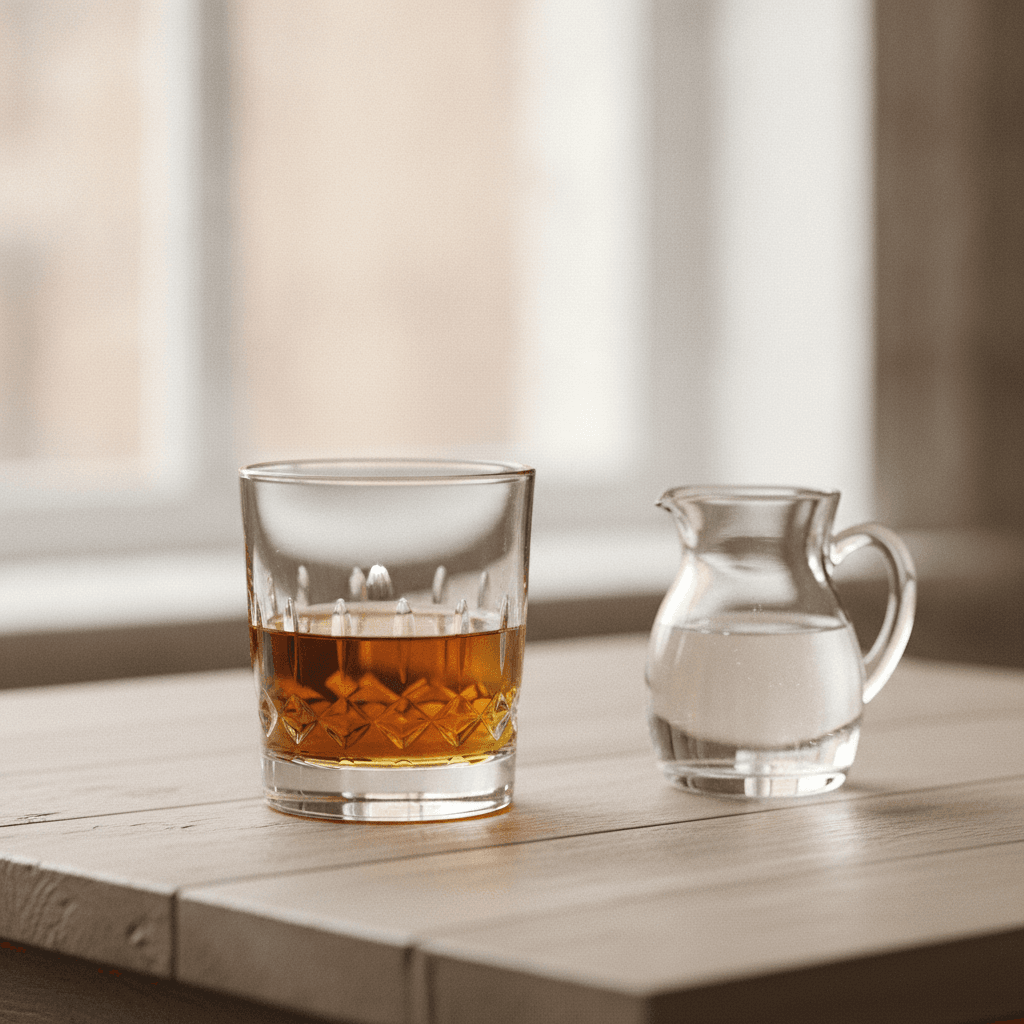
Drink it: neat in a small glass, with a few drops of water to open it up.
Single malt
Malted barley only, from one distillery, exactly as in Scotland. The difference is the third distillation, which keeps Irish single malt lighter and fruitier than its Scottish equivalent, and the fact that peat is the exception here rather than the rule. Cask choice does most of the talking.
Bushmills 10 Year Old is the classic bourbon and sherry cask version, honeyed and soft. Teeling Single Malt goes the other way, matured across five wine casks for tropical fruit and dark berries. Dingle 10 Year Old shows what the new coastal distilleries are doing, with honeycomb, stewed pear and a faint salinity.
Drink it: neat, slowly, after dinner, with nothing to distract you from it.
Single grain, the one people forget
Made mostly from maize or wheat in a column still, at one distillery. Grain whiskey is the quiet workhorse inside almost every blend, and a handful of distilleries now bottle it on its own. On its own it is light, sweet and simple, with corn syrup, toffee and vanilla, and it takes cask flavour readily.
It is the least fashionable style and the easiest to drink cold. If you like bourbon but find it heavy, a single grain is worth trying.
Which style should you buy?
Start from what you want the bottle to do. For a shelf bottle that mixes and sips, buy a blend and do not overthink it. To taste what makes Irish whiskey different from everything else, buy a single pot still. For a treat or a gift, a single malt feels like an occasion without collector prices. For a long drink on a hot afternoon, a grain or a lighter blend is the honest answer.
Age statements are a rough guide, not a score. Older is not automatically better, just different, and plenty of no-age-statement bottles drink beautifully. If you want to know how the spirit gets its character in the first place, our explainer on how whisky is made walks through mash to cask.
Frequently asked questions
What are the styles of Irish whiskey?
Four. Blended whiskey mixes different styles together and is the lightest and most common. Single malt is malted barley from one distillery. Single pot still uses malted and unmalted barley in copper pot stills and is unique to Ireland. Single grain is made mostly from maize or wheat in a column still and is the lightest of the lot.
What does triple distilled mean, and does it matter?
It means the spirit went through the still three times instead of twice, which strips out more of the heavier flavour compounds and leaves a lighter, softer whiskey. It is an Irish tradition rather than a legal requirement, and it is the main reason Irish whiskey tastes gentler than most Scotch.
What is single pot still Irish whiskey?
A style unique to Ireland, made from a mix of malted and unmalted barley distilled in copper pot stills. It gives a creamy, full-bodied, gently spicy whiskey. Redbreast and Green Spot are the classic examples.
Is Irish whiskey good for cocktails?
Very. Its smooth, triple-distilled character makes it easy to mix. It shines in an Irish Coffee, a highball with ginger ale, or a smoother take on the Old Fashioned, so a blend with a bit of backbone earns its place behind the bar.