
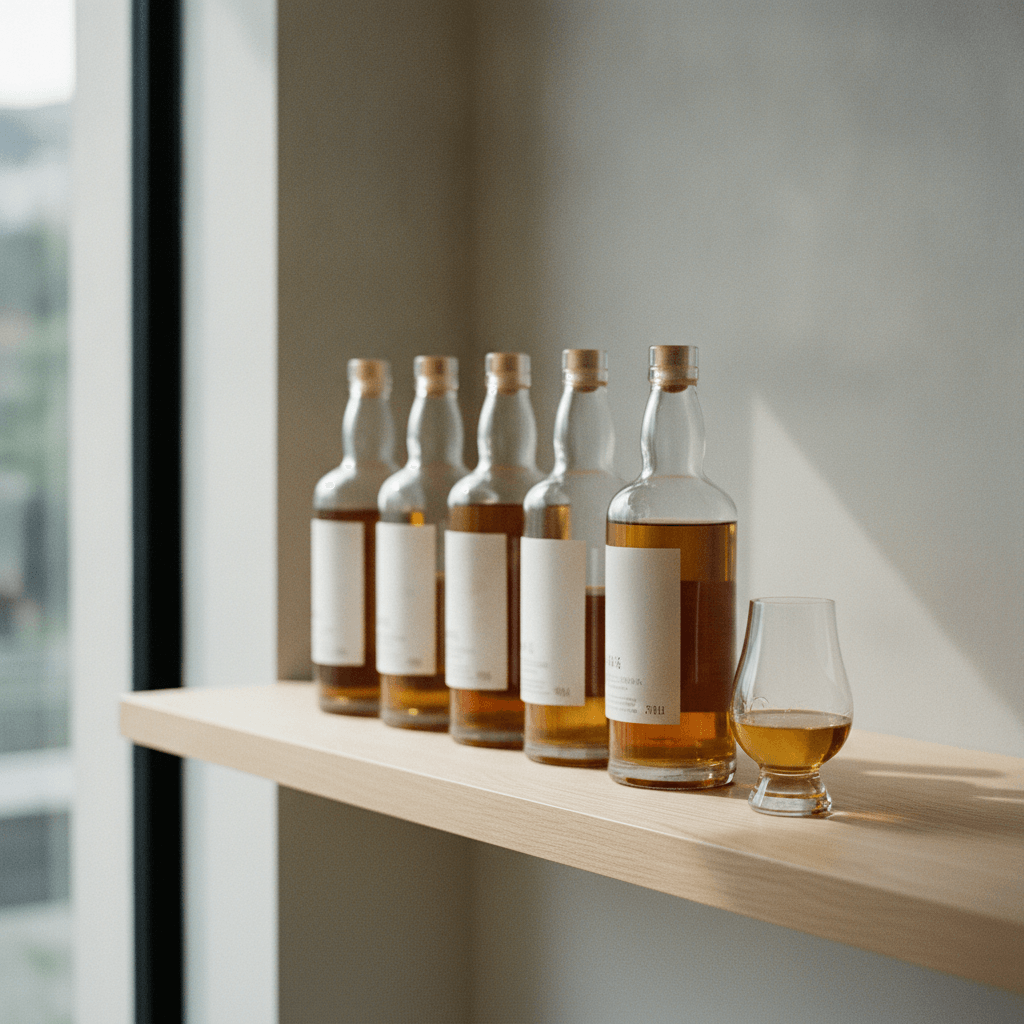
Japanese whisky has gone from a specialist interest to one of the most sought-after styles on the shelf, and prices have followed. So the useful question is not just what is good, it is what is good and still worth buying. This is a plain buyer's guide by job: an easy first bottle, a proper single malt, a smoky one, a grain whisky, and something for a special occasion.
A quick word on what makes it Japanese. The style grew out of Scotch, so if you like a gentle Speyside or a maritime Highland malt you already have a feel for it. What sets the best Japanese whisky apart is precision: careful blending, clean distillation, and a knack for balance rather than shouting. It tends to reward slow drinking.
One honest note before the picks. Since 2024 the label "Japanese whisky" has tighter rules about being made and matured in Japan, which is a good thing, but it means some older bargain bottlings have changed or disappeared. Read the back label, and if a bottle is vague about where the spirit was distilled, treat it as a world blend rather than the real thing.
An easy first bottle
If this is your first Japanese whisky, start with a blend built for everyday drinking rather than a rare single malt. A good blend gives you the house style, soft, clean and gently fruity, without a collector price tag.
Suntory Toki is the obvious starting point. It is light and crisp, with green apple, a little honey and a peppery finish, and it is designed for a highball as much as a neat pour. Nikka Days sits in the same easy bracket, a touch softer and rounder. Either is a low-risk way to find out whether the style is for you.
Drink it: as a Japanese highball, poured tall over plenty of ice and topped with cold soda, garnished with a twist of lemon.
A proper single malt
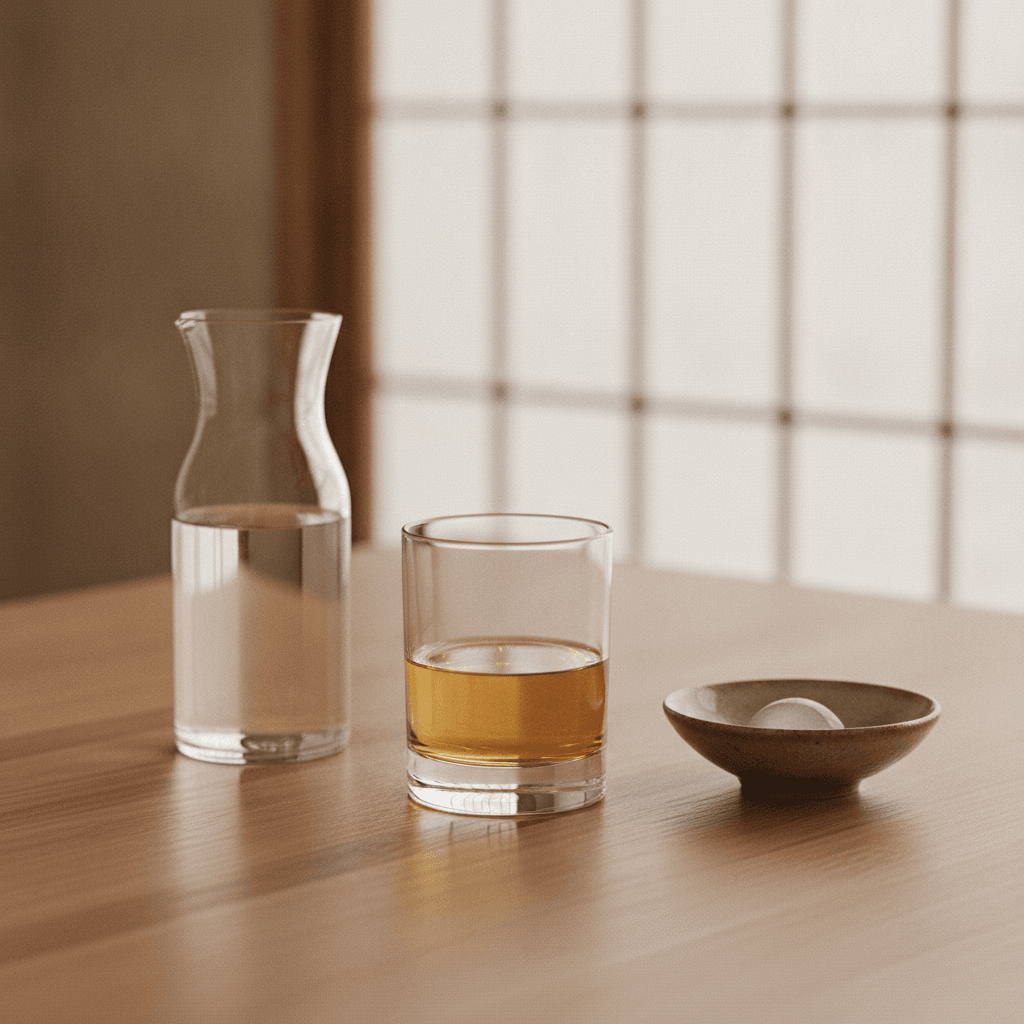
When you want more character, move to a single malt from one distillery. This is where Japanese whisky earns its reputation, and it is also where prices climb, so buy with your eyes open.
The Yamazaki, from Suntory's founding distillery near Kyoto, is the benchmark: soft dried fruit, a little sherried sweetness and a well-mannered finish. Its sister malt, The Hakushu, leans greener and fresher, with a faint whisper of smoke. Both have become expensive and hard to find, so if the core bottlings are out of reach, a well-made blended malt gives you a lot of the same character for less.
Nikka's single malts, Yoichi and Miyagikyo, are the other great house. Yoichi is richer and firmer with a coastal edge, Miyagikyo softer and more floral. Try them side by side if you ever get the chance, they show how much range the category has.
Drink it: neat in a small glass, nosed before you sip, with a few drops of water to open it up.
Something smoky
Japanese whisky is not all delicate. Some distilleries make a peated style, and it tends to be more restrained than a big Islay bruiser, smoke as seasoning rather than a bonfire.
Nikka From The Barrel is the bottle to reach for first here. It is not heavily peated, but it is punchy and full-flavoured, rich with toffee, spice and a warm, higher-strength kick that makes it feel like far more than its modest size suggests. If you want genuine peat, look to peated releases from Yoichi or the craft distilleries below, and expect a soft, savoury smoke rather than medicinal tar.
Drink it: neat, slowly, and give it a minute in the glass before you judge the smoke.
A grain whisky worth knowing
Grain whisky is usually the quiet partner in a blend, but Japan makes it a star in its own right. It is lighter and sweeter than malt, and a good one is one of the most drinkable pours you can own.
Nikka Coffey Grain, named after the old-style Coffey still it is made on, is the one to try: soft vanilla, corn sweetness and a mellow, almost bourbon-like roundness. It is easy to drink neat, works beautifully over a single big cube, and makes a gentle introduction to Japanese whisky for anyone who finds malts too intense.
Drink it: neat or over one large cube of ice, no water needed.
A special-occasion pour
For a gift or a milestone, a premium blend or a craft single malt is the move. These are bottles to open slowly and share.
Hibiki Japanese Harmony is the classic choice, a polished blend of malt and grain that is honeyed, floral and beautifully balanced, the kind of whisky that wins people over on the first sip. For something more characterful, seek out the new wave of craft distilleries such as Chichibu, whose small-batch single malts have earned a serious following and are showing what the next generation of Japanese whisky can do. They are limited and priced accordingly, but they are the real thing.
Drink it: neat, in good company, with no distractions.
How to choose, and how to spend
Start from what you want to do. For a first bottle or a highball, buy a blend and keep it affordable. For flavour and craft, step up to a single malt and drink it slowly. Only chase the rare, allocated bottles once you know you love the style, because a lot of Japanese whisky is priced on scarcity as much as quality.
Two habits will save you money. Ignore missing age statements, plenty of the best modern releases carry none and drink brilliantly. And check the label for where the spirit was actually made, so you buy genuine Japanese whisky rather than a world blend wearing the look. Do that, and you will drink very well in 2026 without overpaying for the badge.