Rum is the most misunderstood spirit on the shelf. Half the bottles are treated as a mixer you drown in cola, and the other half sit unopened as something too serious to enjoy. The truth sits in the middle, and summer is the best time to find it. A good golden or aged rum is warm, easy and endlessly drinkable, neat over ice or stretched into a long serve on a hot evening.
This guide is about buying rum you will actually reach for. What the main styles taste like, which ones sip well and which ones are built for a tall glass, and how to read a label that is often designed to tell you as little as possible. If you want the mechanics first, our explainer on how rum is made covers sugar to spirit. Here we are looking at what to buy.
Why Rum Is So Confusing to Buy
Rum has almost no shared rulebook. Whisky and tequila have tight legal definitions, but rum is made across dozens of countries, each with its own traditions and very few of them agreeing on terms. "Gold", "spiced", "aged" and even the numbers on the label can mean quite different things depending on who bottled it.
A couple of things make it worse. Age statements are not always what they seem, because some regions allow a blend to carry the age of its youngest part while others quote the oldest. And a fair amount of rum has sugar added after distillation, which rounds off the edges and can make a young spirit taste older and sweeter than it is. None of that is a reason to give up. It just means you buy on style and on taste, not on the marketing.
The single most useful habit is to think about rum by where it comes from and how it was aged, rather than by the words on the front label. That is what the rest of this guide does.
The Styles Worth Knowing
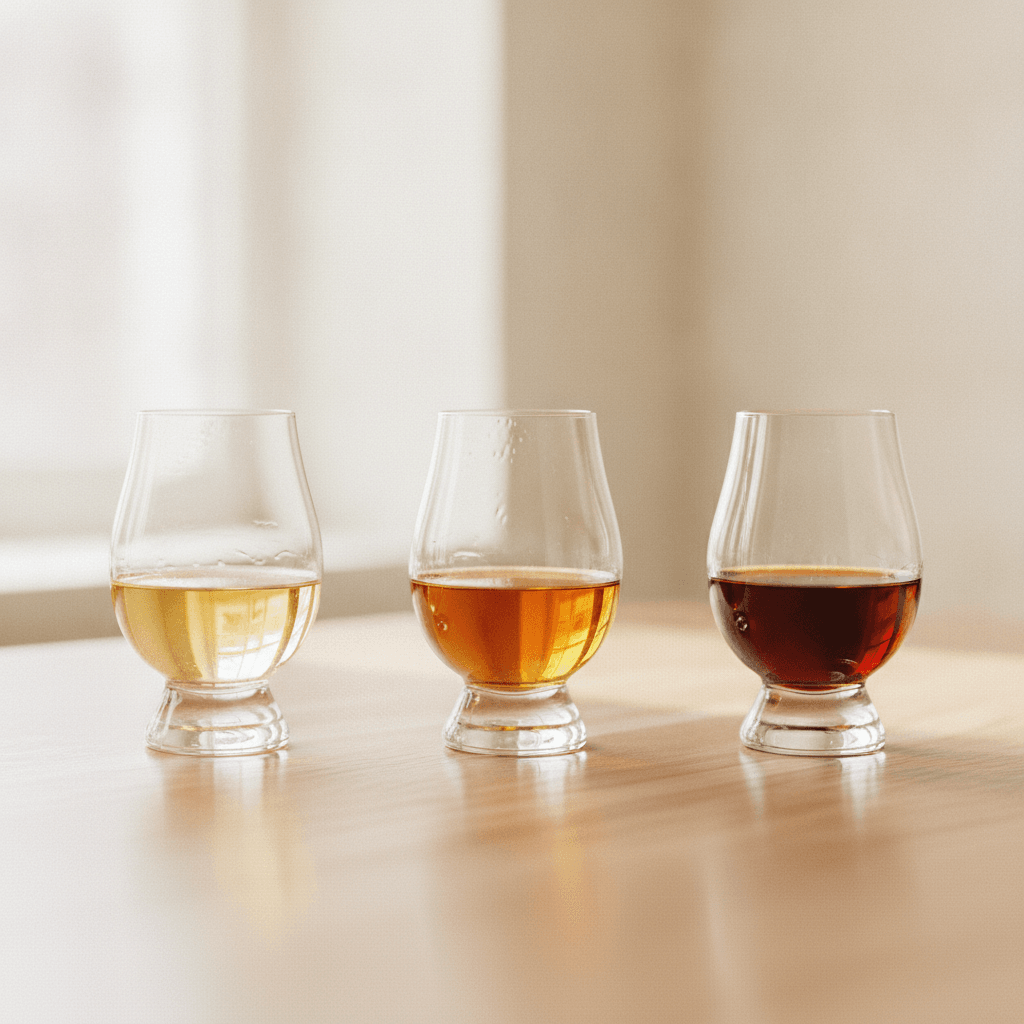
Light and gold rums are the everyday workhorses, usually from Spanish-speaking islands like Puerto Rico and Cuba. They are clean, faintly sweet and easy, with light vanilla and coconut notes. A good gold rum is the backbone of a daiquiri or a mojito, and the better ones are pleasant enough over plenty of ice on their own.
Rich Demerara and Jamaican rums are the fuller, more characterful end. Demerara rum from Guyana brings deep caramel, dark sugar and a touch of burnt toffee. Jamaican rum is famous for its funk, a big, ripe, tropical-fruit intensity the trade calls "hogo" that tastes of overripe banana and pineapple. These carry a long serve beautifully and give a mai tai its backbone.
Aged sipping rums are the ones to pour neat. Time in cask softens the spirit and layers in oak, dried fruit, spice and a gentle sweetness, closer to a good aged Cognac or bourbon than to a party rum. These are where rum earns a place next to your whisky, and they reward slow drinking on a warm evening.
Rhum agricole from Martinique and the French islands is the outlier. It is distilled from fresh cane juice rather than molasses, which gives it a grassy, vegetal, almost briny snap. It is not to everyone's taste at first, but it makes a bright, unusual daiquiri and rewards a bit of curiosity.
Sipping Neat or Building a Long Serve
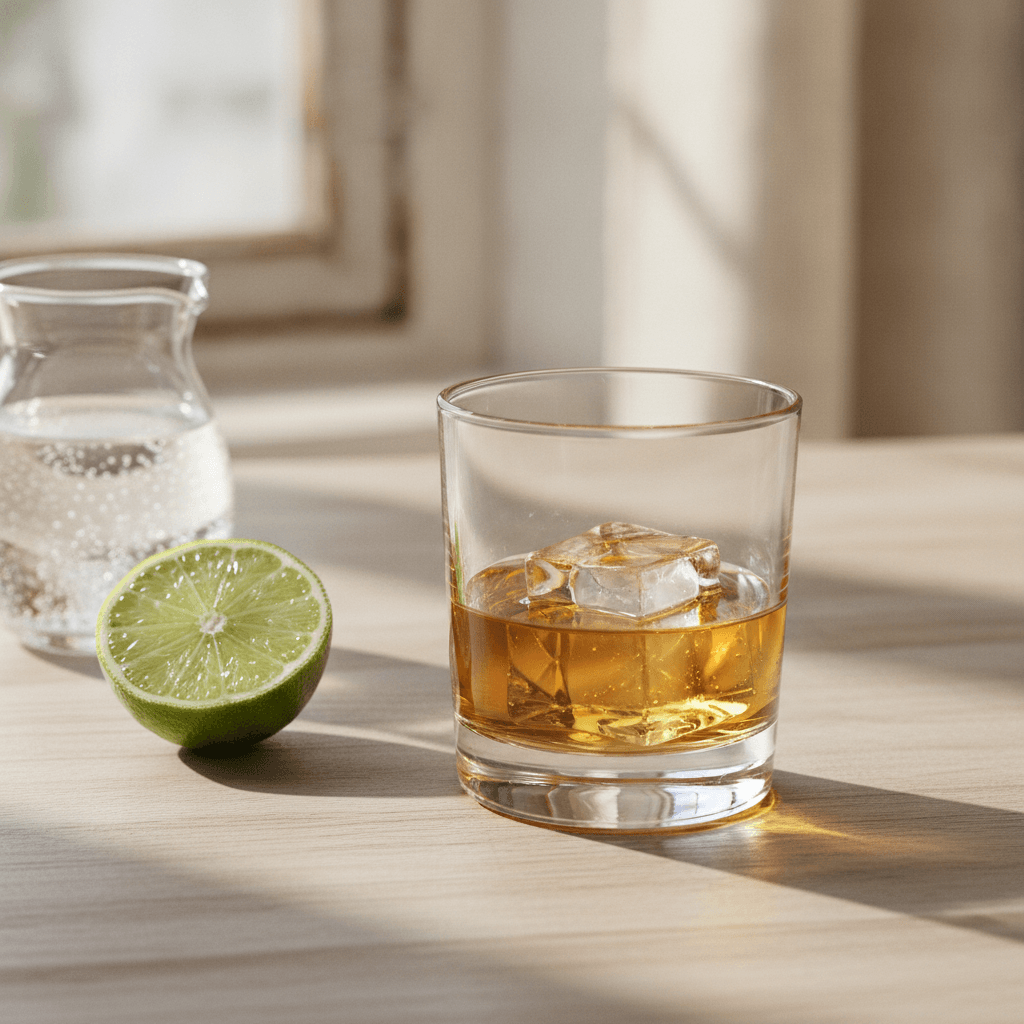
Match the bottle to the glass. An aged sipping rum wants a small measure in a tumbler, maybe one large ice cube, and a bit of time to open up. Treat it the way you would a good whisky. Nose it gently for the oak and dried fruit, then let it sit on the tongue. There is no need to reach for cola.
A golden or a rich Demerara rum, on the other hand, is made for stretching out. Over plenty of ice with soda and a squeeze of lime, a good gold rum is one of the great low-effort summer drinks. A rich Jamaican or Demerara rum stands up to ginger beer in a proper dark and stormy without disappearing. For more ideas, our five summer rum cocktails piece walks through a sharp daiquiri and a proper mai tai, with the right rum for each.
A simple rule for the hot months: if you paid for the age, sip it; if you paid for the character, pour it long. Spending sipping money on a rum you are about to drown in cola is the one mistake worth avoiding.
Reading the Label Without Being Fooled
Reward the producers who tell you things. The most trustworthy bottles state where the rum was distilled, whether it is pot still, column still or a blend, and give an honest age. Pot still tends to mean more flavour and weight, column still a lighter, cleaner spirit, and many of the best rums blend the two on purpose.
Be wary of the opposite. A vague age number with no explanation, heavy talk of a "secret solera" with nothing concrete behind it, or a very sweet, syrupy young rum dressed up as something older. Added sugar is not a crime, plenty of enjoyable rums have it, but it is worth knowing when a rum tastes older than its years because it has been sweetened rather than aged.
Above all, trust your own palate over the price. Rum has fewer status bottles than whisky, which is good news: there is genuine quality to be had without spending a fortune, and the best rum for you is the one whose style you actually enjoy pouring.
What to Buy This Summer
If you want one bottle to cover the season, a good gold rum is the flexible choice. It mixes into everything and is easy enough to sip over ice when you cannot be bothered to build a cocktail. If you already have a mixing rum and want to trade up, an aged sipping rum is the more rewarding buy, something to open slowly across the summer rather than empty in a weekend.
For a party or a barbecue, lean into a rich Demerara or a funky Jamaican rum. They have the character to stand up to ginger beer, lime and a crowd, and they are the rums people remember. And if you like to surprise guests, a bottle of rhum agricole makes a daiquiri unlike any they have had before.
Buy for how you will actually drink it, keep one sipper and one mixer on the go, and rum turns out to be one of the most generous spirits you can own in summer.