
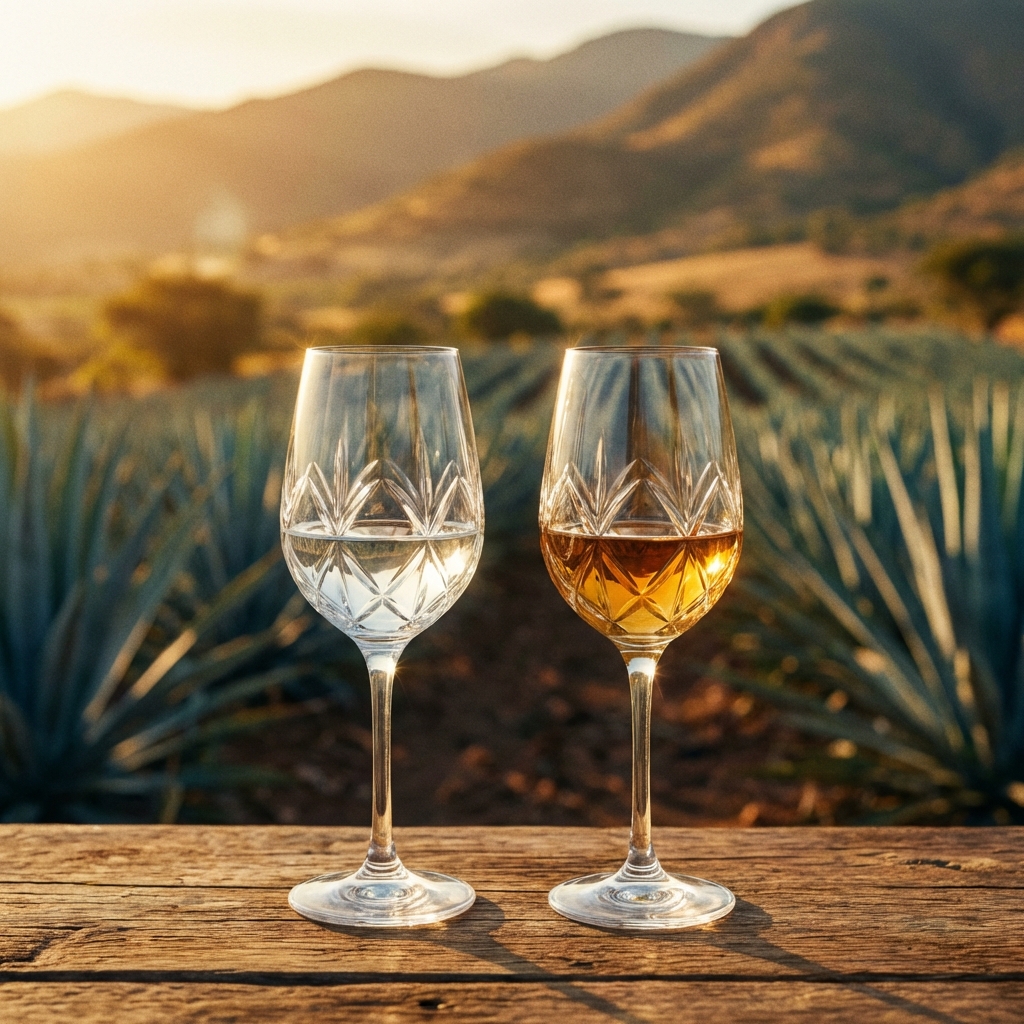
Tequila and mezcal are both iconic agave spirits from Mexico, and they're often lumped together, or confused entirely. While they share a common heritage, the way they're made, where they come from, and how they taste can be dramatically different.
Understanding this distinction explains why tequila is often smooth and familiar, while mezcal is prized for depth, intensity, and regional character.
The Short Answer
All tequila is mezcal, but not all mezcal is tequila. Tequila is a specific, tightly regulated style of mezcal. Mezcal is a broader category with far more diversity in agave, region, and production. That single sentence is the most important thing to remember.
The Agave Used
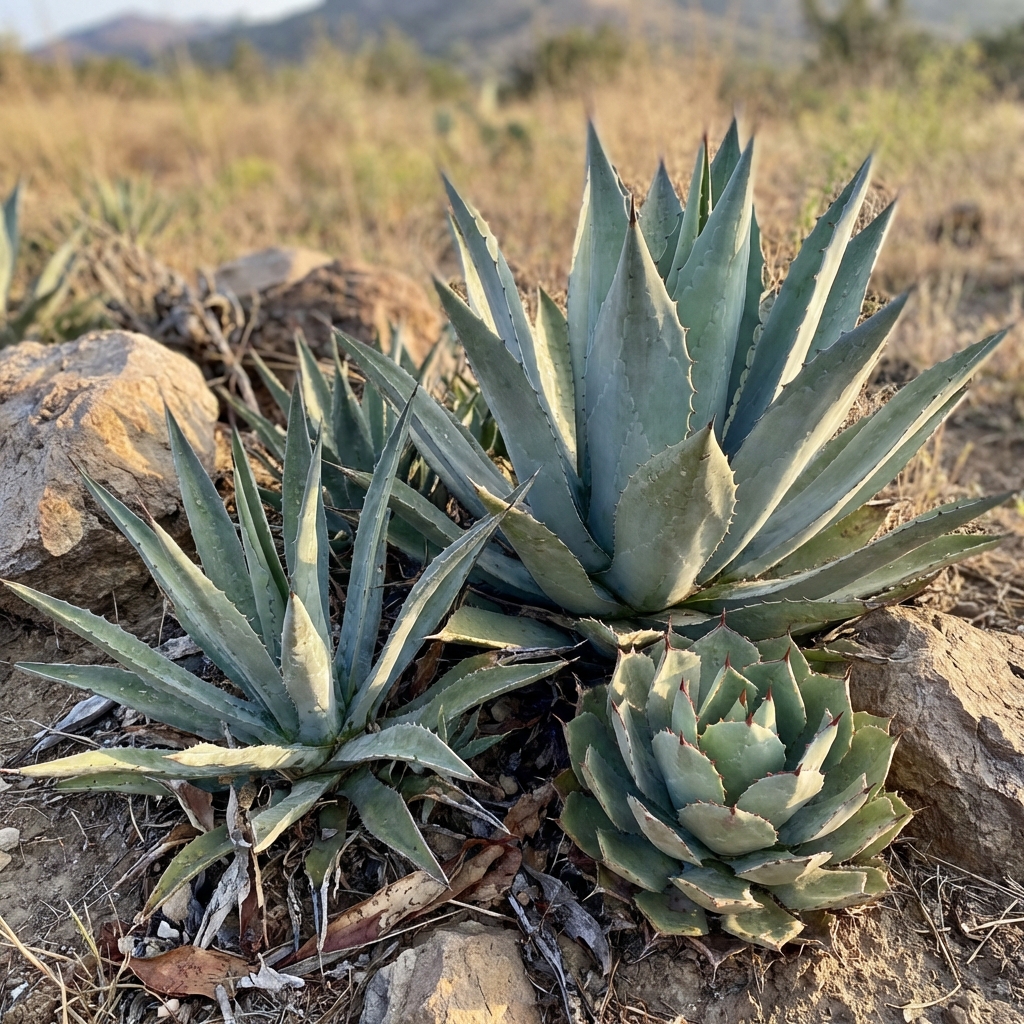
Tequila can only be made from one plant: Blue Weber agave (Agave tequilana Weber var. azul). By law, tequila must contain at least 51% Blue Agave, with the remainder allowed to come from other sugars. These bottles are known as Mixtos. The highest-quality tequilas, however, are labelled "100% de agave", meaning all fermentable sugar comes from agave.
Pro Tip
Always look for "100% de agave" on the label. If it doesn't say this, it's a Mixto, typically harsher, less expressive, and more likely to cause rough hangovers.
Blue Weber agave produces the flavours commonly associated with tequila: cooked agave sweetness, citrus and pepper, and herbal or vegetal notes.
Mezcal, on the other hand, can be made from dozens of agave varieties, spanning more than 40 recognised species, along with countless local sub-varieties and hybrids. Common names you'll encounter include Espadín, Tobalá, Tepeztate, and various Karwinskii varieties like Madrecuixe, Bicuishe, or Cirial.
Unlike tequila, mezcal celebrates agave diversity. Different plants, growing conditions, and harvest ages all dramatically shape flavour. This is one reason mezcal is often compared to single malt whisky: raw material and provenance matter deeply.
How They're Made
The cooking process creates the biggest flavour divide between tequila and mezcal.
For tequila, agave hearts (piñas) are typically cooked in brick ovens or autoclaves. Industrial producers may use diffusers, which extract sugars without traditional cooking. This approach produces cleaner, more controlled flavours.
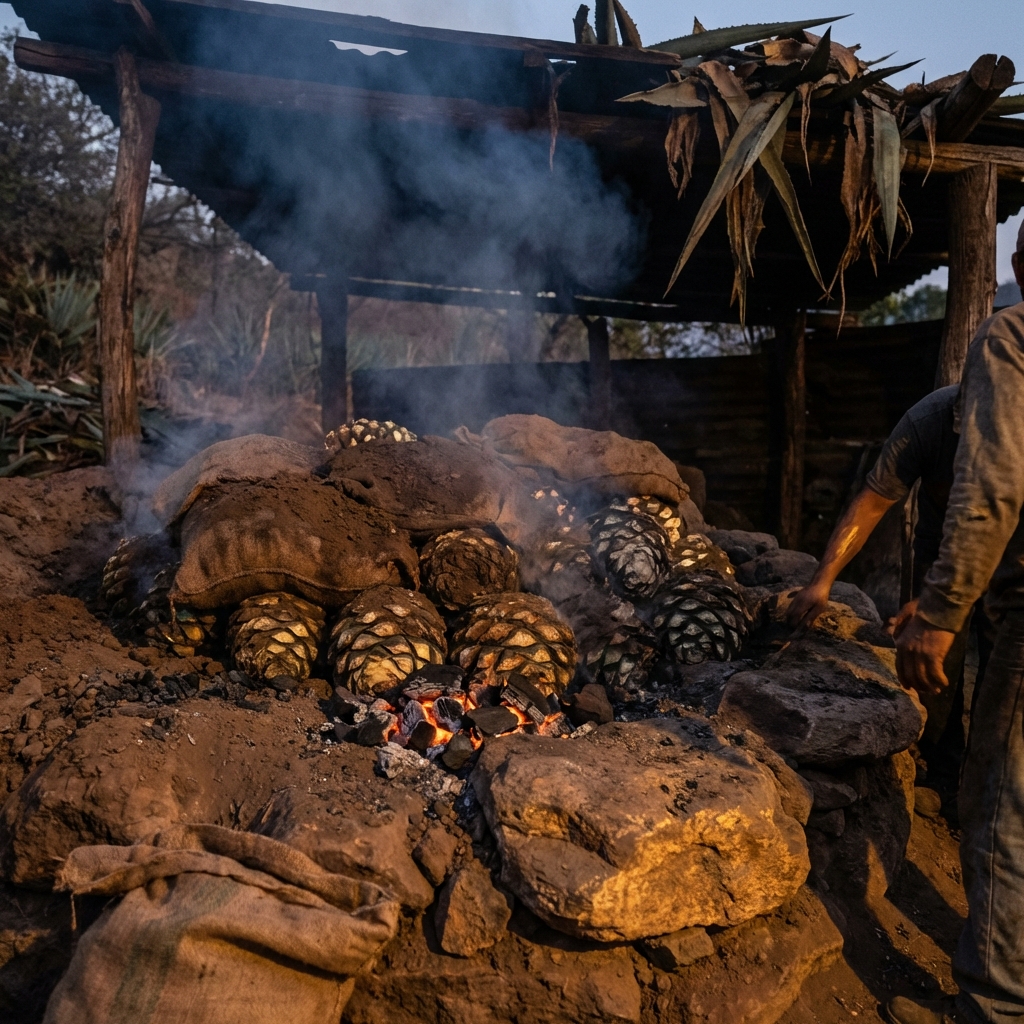
Mezcal takes a different path. Agave hearts are traditionally roasted in underground pit ovens, where wood and hot stones cook the agave for several days. This process introduces the smoky, earthy compounds that define the category.
Pro Tip
Mezcal's smoke comes from how the agave is cooked, not from additives or barrel ageing.
Tequila production ranges from highly industrial to deeply traditional. Industrial tequila often uses roller mills and column stills, while traditional tequila may use a tahona (a massive stone wheel) and copper pot stills. Mezcal is typically fermented with wild yeasts and distilled in small batches using copper or clay pot stills. This variability gives mezcal its reputation for individuality and texture.
Regional Identity
Tequila must be produced within its Denomination of Origin, covering Jalisco (the heartland), Guanajuato, Michoacán, Nayarit, and Tamaulipas. Within Jalisco itself, terroir matters significantly.
Pro Tip
Highland (Los Altos) agave tends to produce sweeter, fruitier tequilas. Lowland (Valley) agave often leans earthy, spicy, and herbaceous.
Mezcal is most closely associated with Oaxaca, though its Denomination of Origin spans ten Mexican states. Many bottles proudly list the village, agave variety, producer (mezcalero), and still type. This transparency is a hallmark of quality mezcal.
Taste & Flavour Profile
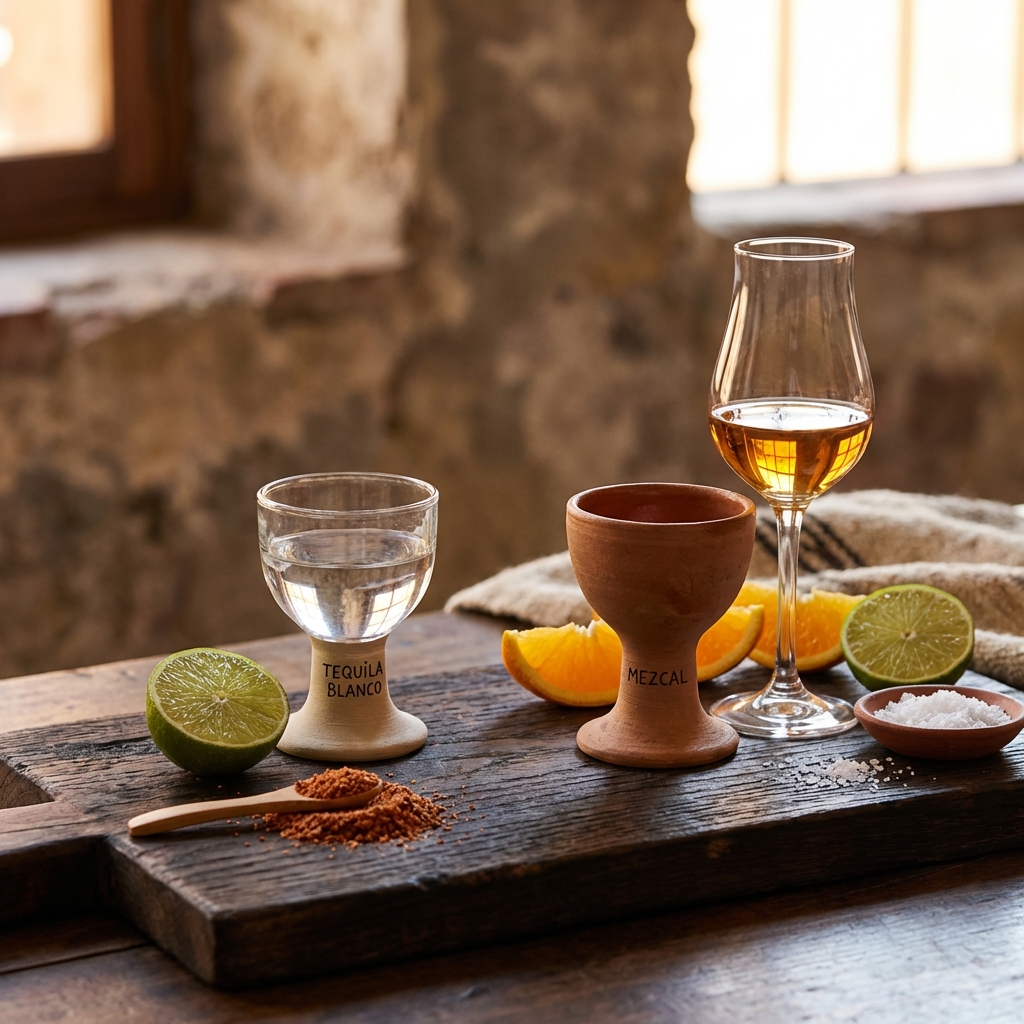
Tequila is generally clean and bright, featuring cooked agave sweetness, citrus, pepper, and herbal notes. It's designed to be approachable, versatile, and cocktail-friendly.
Mezcal often presents as earthy and savoury, with mineral-driven complexity and layered flavours. Smoke is common, but not always dominant.
Pro Tip
High-quality mezcal should taste like cooked agave and earth first. Smoke should be an accent, not an overpowering campfire note.
Ageing Differences
Both spirits can be aged, but priorities differ. Tequila follows familiar age categories: Blanco (unaged, pure agave character), Reposado (lightly aged in oak), and Añejo (longer oak ageing).
Most mezcal, by contrast, is bottled Joven (unaged). In fact, mezcal Joven is often more prized than aged expressions, as oak can mask the delicate flavours of rare agave varieties.
How to Buy Smarter
A few label checks can dramatically improve what ends up in your glass. Look for "100% de agave" to avoid Mixtos. On tequila bottles, you'll find a four-digit NOM code identifying the distillery. Many brands are made at the same distillery, so researching the NOM reveals who's really behind the label.
So Which Should You Choose?
Choose tequila if you want a smoother, more familiar agave profile, a versatile cocktail base, or consistency across bottles.
Choose mezcal if you want bold, savoury flavours, artisanal production, or a spirit to sip and explore slowly.
Neither is better; they simply offer different experiences.
Final Thoughts
Tequila and mezcal may share the same plant family, but their philosophies diverge quickly. Tequila balances regulation and consistency, while mezcal embraces tradition, terroir, and individuality.
Knowing the difference helps you choose better bottles, and appreciate what's in your glass that much more.
Ready to explore?