
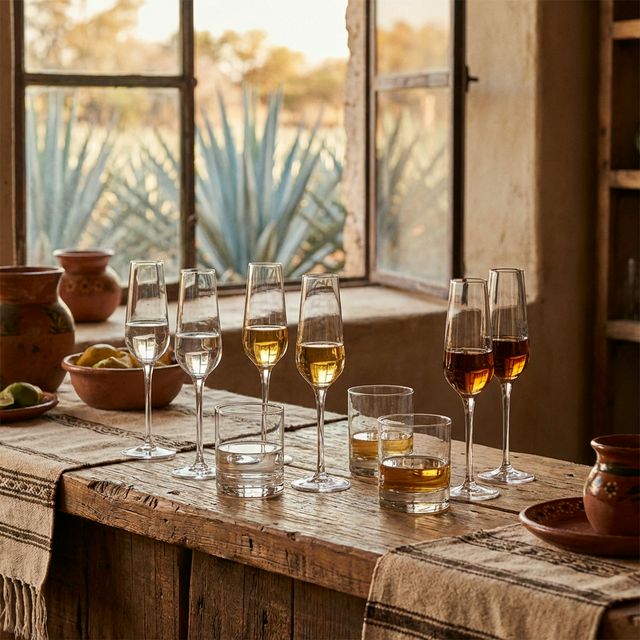
Tequila has a reputation for shots, salt, and late nights. But the best tequilas are closer to fine whisky than party fuel, built from one raw material, blue Weber agave, and defined by a surprisingly strict set of rules.
Before we get into ageing styles, one label tip matters more than any other:
Pro Tip
If you want "pure" tequila, look for "100% de agave" on the bottle. If it does not say that, it can be a mixto, meaning tequila made with at least 51% agave sugars and the rest from other sugar sources.
From there, the main "types" of tequila are mostly about how long the spirit rests in oak (or whether it is filtered after ageing). The categories below are the ones you will see most often.
Tequila Types at a Glance
Blanco
Unaged
Joven
Young / blended
Reposado
2 months – 1 year
Añejo
1 – 3 years
Extra Añejo
3+ years
Cristalino
Aged, then filtered clear
Blanco (Silver / Plata)
Unaged or lightly rested (up to about 2 months)
Blanco is tequila at its most direct. It is typically bottled soon after distillation, sometimes after a short rest in stainless steel or neutral containers to let flavours settle.
Expect fresh cooked agave, bright citrus, pepper, and herbal or mineral notes depending on the producer and region. If you want to understand a distillery's house style, start here.
Best for: Margaritas and Palomas, cocktails that showcase agave, and drinkers who like vibrant, assertive flavour.
Also Worth Knowing
"Still strength" or high-proof blancos (when available) can be more intense and aromatic than standard bottlings, with bolder agave and spice.
Joven (Gold / Oro)
Young tequila, usually unaged
Joven means "young." In many cases it is a blanco tequila that has been coloured and softened (often for mixing). You will also see better versions made as a blend of blanco and aged tequila, designed to add texture while keeping the spirit lively.
The key is to treat "Gold" as a style label, not a quality signal. Some bottles are made to be easy-drinking mixers, while premium examples can be complex and intentional.
Best for: Casual cocktails and easy mixed drinks.
Pro Tip
If you are buying to sip, prioritise bottles labelled 100% de agave, and look for producers who explain whether it is a blend (rather than simply coloured).
Reposado
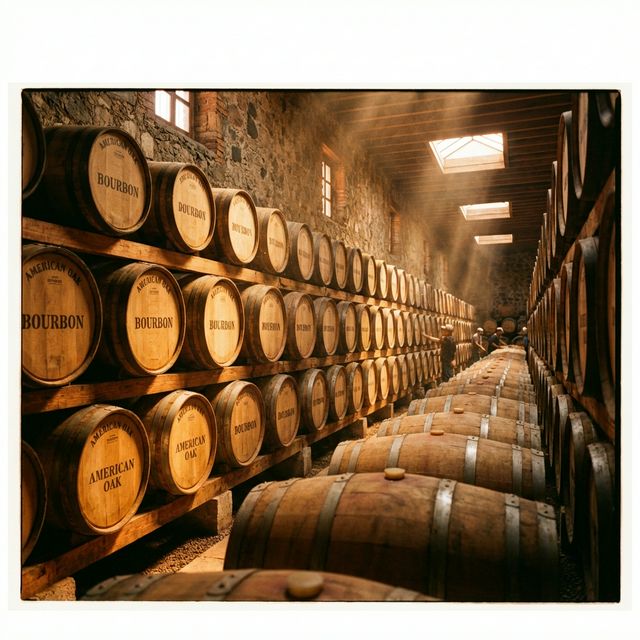
Aged 2 months to 1 year in oak
Reposado, meaning "rested," is often the sweet spot for many drinkers. It keeps the core agave flavour but adds roundness from oak ageing.
You will commonly find vanilla, caramel, gentle spice, and a softer mouthfeel, with roasted agave still clearly present. A good reposado can work both neat and in cocktails where you want a bit more warmth and depth than blanco.
Best for: Sipping, premium Margaritas, and whisky drinkers who are curious about tequila but still want some oak.
Añejo
Aged 1 to 3 years in oak
Añejo tequilas spend long enough in barrel to develop deeper wood influence. Think toffee, chocolate, dried fruit, and baking spice layered over roasted agave.
Regulatory Detail
Añejo must be aged in oak containers no larger than 600 litres, which helps ensure meaningful wood contact and character development.
If you enjoy whisky, cognac, or aged rum, Añejo is the category that often clicks first. Just remember the best examples still taste like tequila, not just oak.
Best for: Neat sipping and slow, after-dinner pours.
Extra Añejo
Aged more than 3 years in oak
Extra Añejo is the most mature style, formally introduced in 2006. These tequilas can be luxurious and intense: dark chocolate, espresso, vanilla, leather, and polished oak.
Long ageing can also bring a trade-off. Too much time in wood can overwhelm the agave, so the most compelling bottles keep the agave thread running through the richness.
Best for: Special occasions and drinkers who love deeply aged spirits.
Cristalino
Aged tequila that has been charcoal-filtered
Cristalino is a modern trend rather than an official ageing category. Typically, a reposado, añejo, or extra añejo is filtered to remove colour, creating a clear tequila with a smoother, more polished profile.
It can be very approachable, with soft vanilla and gentle oak notes, but filtration can also remove some of the complex barrel character that ageing created in the first place.
Best for: Drinkers who want the smoothness of aged tequila with a lighter, cleaner presentation.
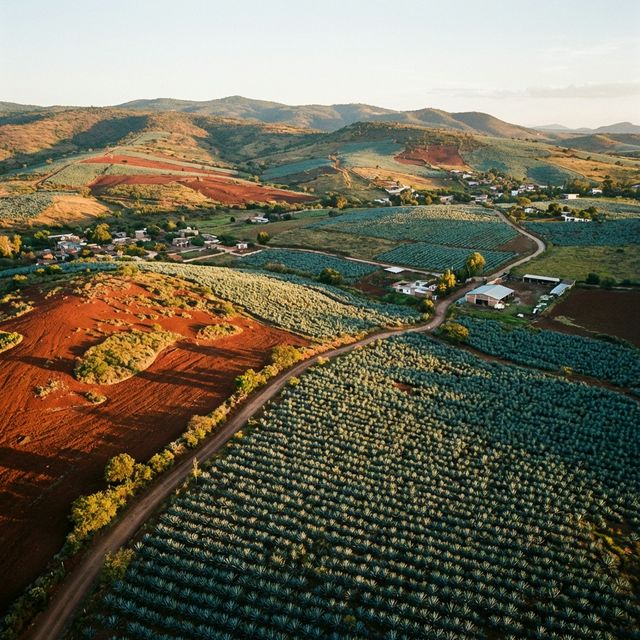
A Quick Note on Terroir: Highlands vs Lowlands
Tequila comes from specific regions in Mexico, and even within those, geography can shape flavour. A simple way to think about it:
- Highlands (Los Altos): often fruitier and sweeter, with floral notes.
- Lowlands (El Valle): often earthier, peppery, and more herbal.
These are general tendencies rather than strict rules, but once you start comparing blancos from different regions, the pattern becomes easier to taste.
Additives and the "Additive-Free" Conversation
Tequila regulations allow small amounts of certain additives (often discussed in the context of smoothing or standardising flavour), especially in aged styles. That is one reason many enthusiasts seek out brands that are transparent about production choices and, where possible, confirmed additive-free.
This is not about "right" or "wrong" taste, it is about knowing what is in the glass and choosing what you value: purity, consistency, sweetness, or a more natural agave-driven profile.
Final Thoughts
The easiest way to explore tequila is to try the same producer across a few styles and notice what changes when oak enters the picture.
If you want a simple starting path:
- Try a Blanco to learn the core agave flavour.
- Step to Reposado for balance and softness.
- Move to Añejo when you want deeper oak and dessert-like richness.
Keep exploring tequila: