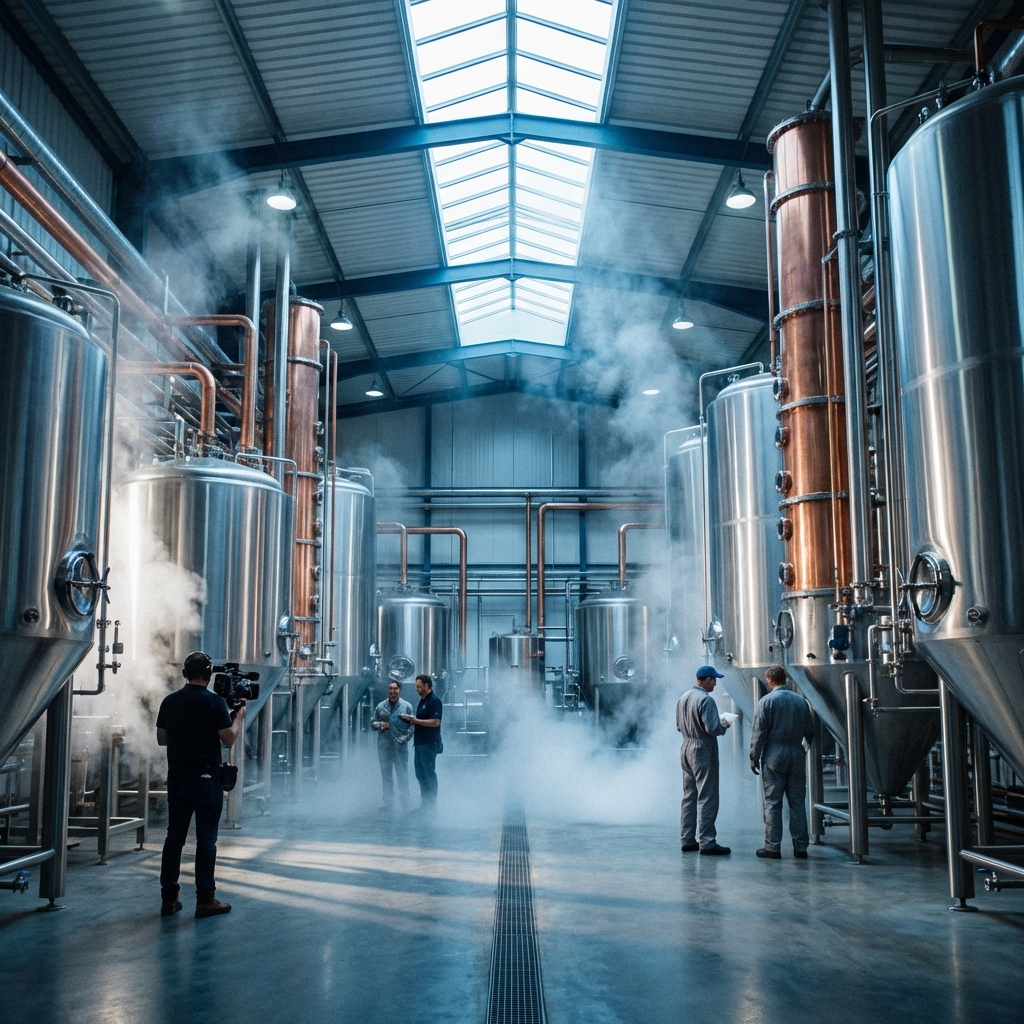
Vodka is often described as flavourless, but it doesn’t magically appear as pure alcohol. Like every distilled spirit, it begins with fermentation.
Even though most flavours are later stripped out during distillation, the way vodka is fermented still affects efficiency, texture, and the subtle characteristics that survive into the final spirit.
What does fermentation mean for vodka?
Fermentation is the process where yeast converts sugars into alcohol, producing ethanol, heat, carbon dioxide, and flavour compounds known as congeners.
In vodka production, fermentation is not about building flavour complexity. Instead, the goal is to create alcohol as cleanly and predictably as possible before rectification takes place.
What is vodka fermented from?
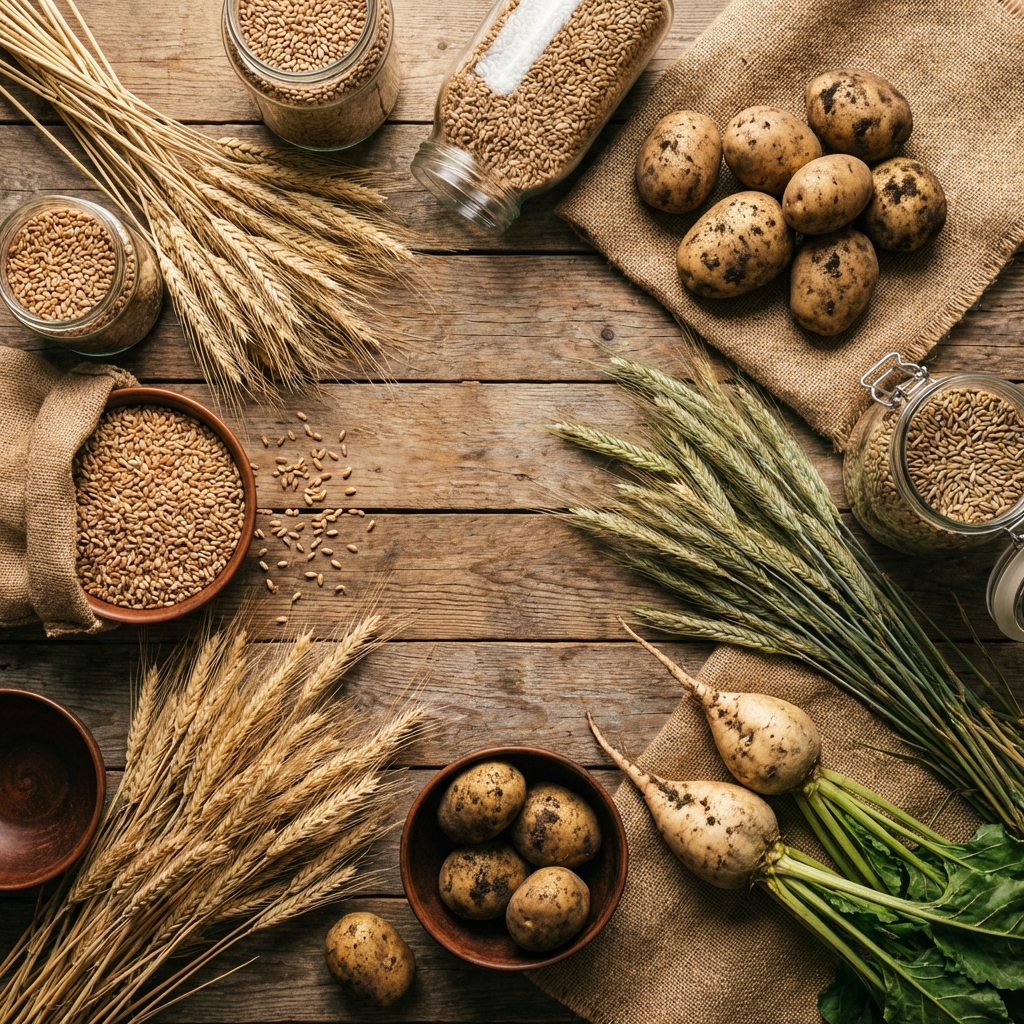
Vodka can be fermented from any raw material that can be converted into fermentable sugars. Common bases include:
- Grains (wheat, rye, corn) – efficient, clean, and widely used
- Potatoes – starch-heavy, traditionally used in Eastern Europe
- Grapes – can be distilled to legal vodka strength, producing a vodka with a subtle fruity character and often a softer texture (e.g. Cîroc)
- Sugar beet or molasses – already fermentable sugars, often used for efficiency at scale
Starchy raw materials like grains and potatoes must first be cooked and enzymatically converted into fermentable sugars. Sugar-based materials such as molasses or sugar beet can be fermented directly without this conversion step.
Water quality also matters at this stage. Mineral content and pH influence yeast health and fermentation efficiency long before the spirit is diluted for bottling.
Yeast choice and fermentation control
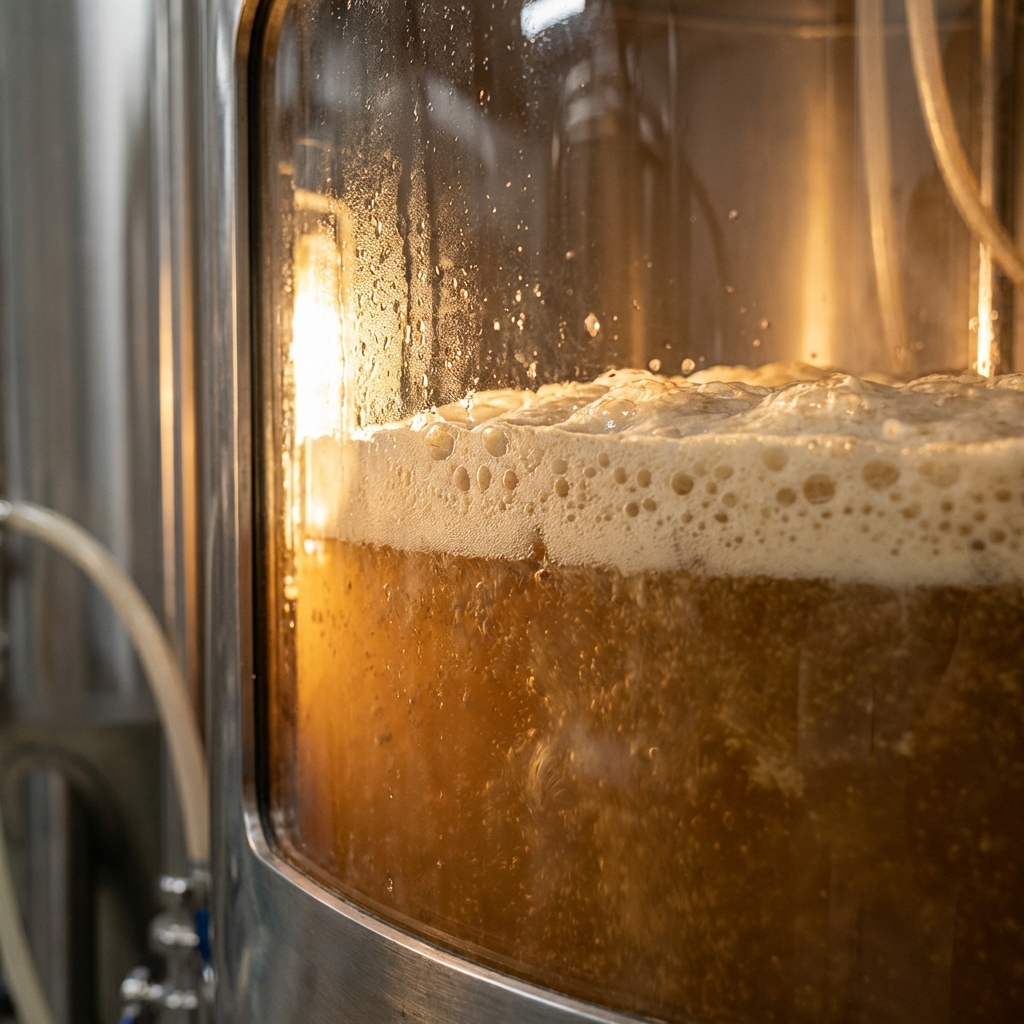
Large-scale vodka producers typically use yeast strains selected for alcohol tolerance, consistency, and minimal flavour production.
However, many craft distillers deliberately choose yeast strains that produce specific compounds, such as glycerol for mouthfeel or subtle esters, to give their vodka a creamy texture or gentle character, even after rectification.
Fermentation temperature is carefully controlled. Hot fermentations work quickly but generate more unwanted by-products, while cooler fermentations favour cleanliness and control.
Why fermentation still matters for a neutral spirit
To be legally labelled as vodka, the spirit must be distilled to very high purity. Fermentation quality does not change that requirement, but it strongly affects how efficiently it can be achieved.
A cleaner fermentation produces fewer unwanted by-products, allowing the rectification column to separate ethanol more efficiently while still reaching the legally required high strength.
The result is not “less” distillation, but a purer heart cut that retains a smoother texture even after being distilled to near-neutral alcohol.
Quick Questions
Common questions about vodka fermentation
Is vodka fermented like beer?
The biological process is similar, but vodka fermentations aim for higher alcohol levels and far fewer flavour compounds than beer or wine.
Does fermentation affect flavour?
Indirectly, yes. While most flavour is removed later, fermentation influences texture, balance, and how much processing is required downstream.
Is vodka just neutral alcohol?
Vodka is a refined form of neutral spirit, but high-quality vodka begins with careful fermentation and rectification, not just purity alone.
Explore more