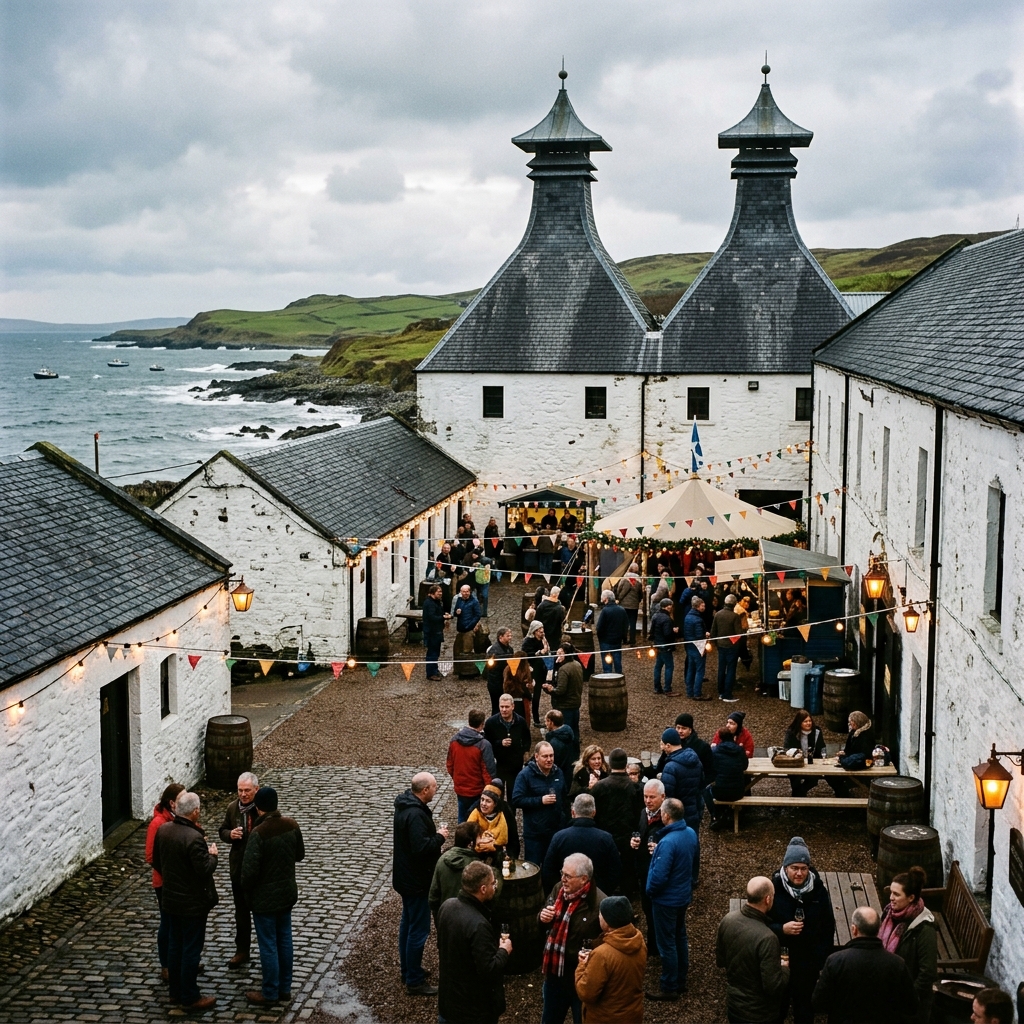
Every year, peat lovers around the world mark their calendars for one of whisky's most anticipated celebrations: Ardbeg Day.
Held during Fèis Ìle, Islay's Festival of Music and Malt, Ardbeg Day is Ardbeg's annual celebration of its famously smoky single malt and the global community that surrounds it.
In 2026, that celebration takes on a sweeter twist in the form of Ardbeg Dolce, a limited edition release that brings Sicilian Marsala casks into Ardbeg's smoky world.
What Is Ardbeg Day?
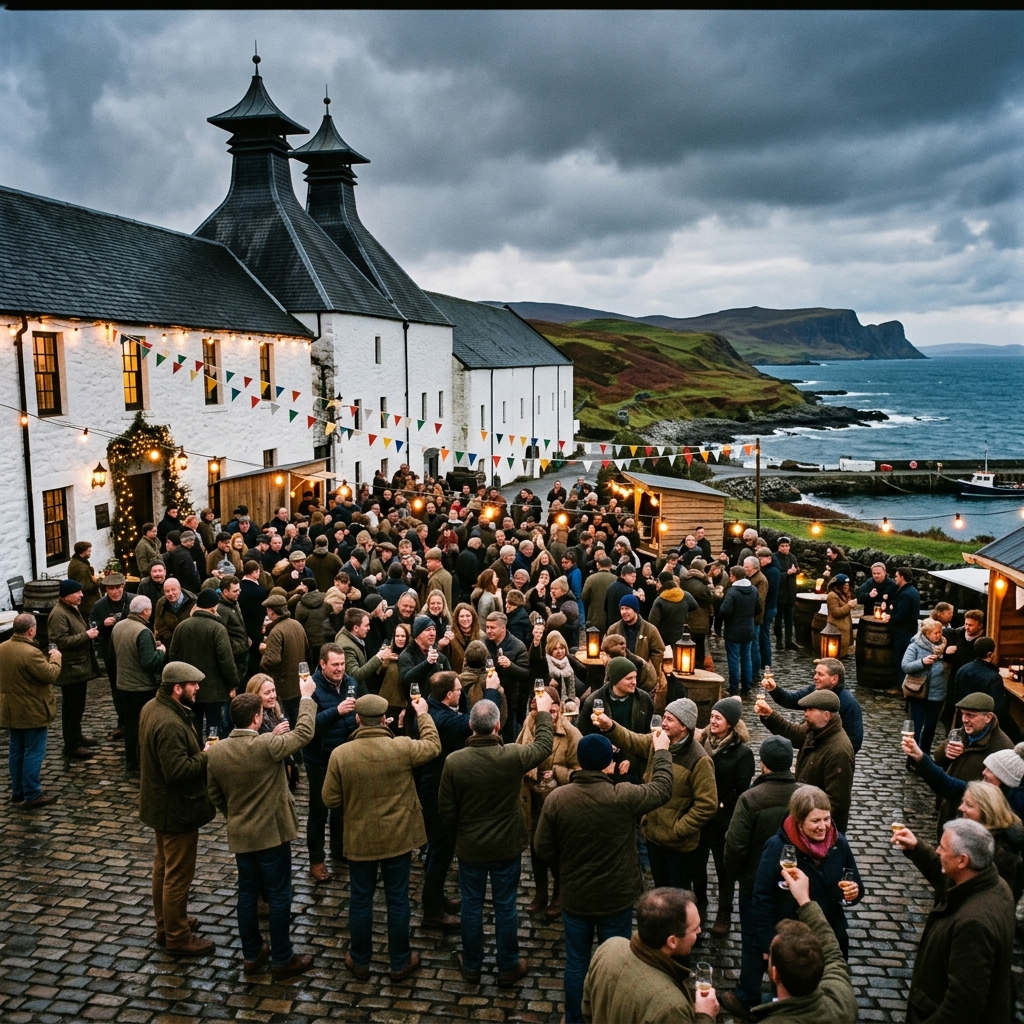
Ardbeg Day is Ardbeg's annual global celebration, held on the final Saturday of Fèis Ìle, Islay's Festival of Music and Malt.
It's part festival, part fan club gathering, and part product launch.
At the distillery itself on Islay, it's a full-on party: live music, smoky drams, and die-hard Ardbeg fans (the “Ardbeg Committee”) travelling from around the world to be there.
But it's not just local. Bars, retailers, and whisky fans across the world join in, often with tastings, events, and, most importantly, a special limited-edition release created just for the occasion.
Why Ardbeg Day Matters
Ardbeg Day isn't just marketing. It's become a genuine moment in the whisky calendar.
Each year's release tends to be:
- Limited in supply
- Experimental in style
- Highly collectible
Some past Ardbeg Day bottles have become cult favourites, with secondary market prices to match.
More importantly, it's where Ardbeg gets to have a bit of fun, pushing boundaries beyond their core smoky, medicinal style.
When Is Ardbeg Day 2026?
Current coverage points to Ardbeg Day 2026 landing during Fèis Ìle on Saturday 30 May 2026, with early access to Ardbeg Dolce for Committee members from 26 May.
As always, the bottle will also be available through selected retailers worldwide around the same time, though exact dates can vary by market.
Ardbeg Day 2026: Introducing Ardbeg Dolce
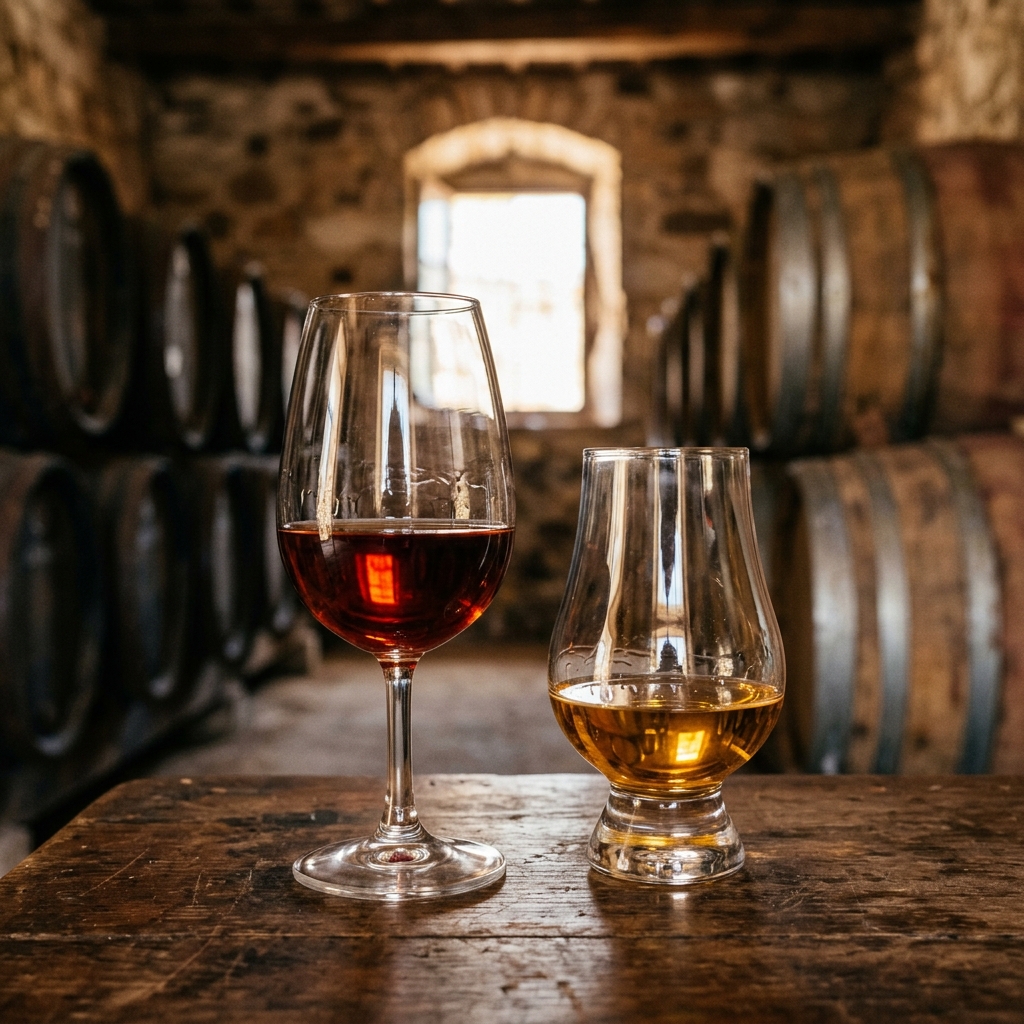
For 2026, Ardbeg has gone in a bold (and surprisingly sweet) direction with Ardbeg Dolce.
According to early coverage, the release combines whisky matured in sweet Marsala dolce fortified wine casks from Sicily with Ardbeg's signature Bourbon barrel-aged single malt, bottled at 47.8% ABV.
What's Different About It?
Marsala is a fortified wine from Sicily, known for rich, dessert-like flavours.
That cask influence should bring a new dimension to Ardbeg's signature peat smoke:
- Sweetness (think honey, dried fruit, caramel)
- Rich, dessert-style depth
- A softer contrast to the intense smoke
It points toward a balance between Ardbeg's famously punchy peat and something more indulgent.
What to Expect from Ardbeg Dolce
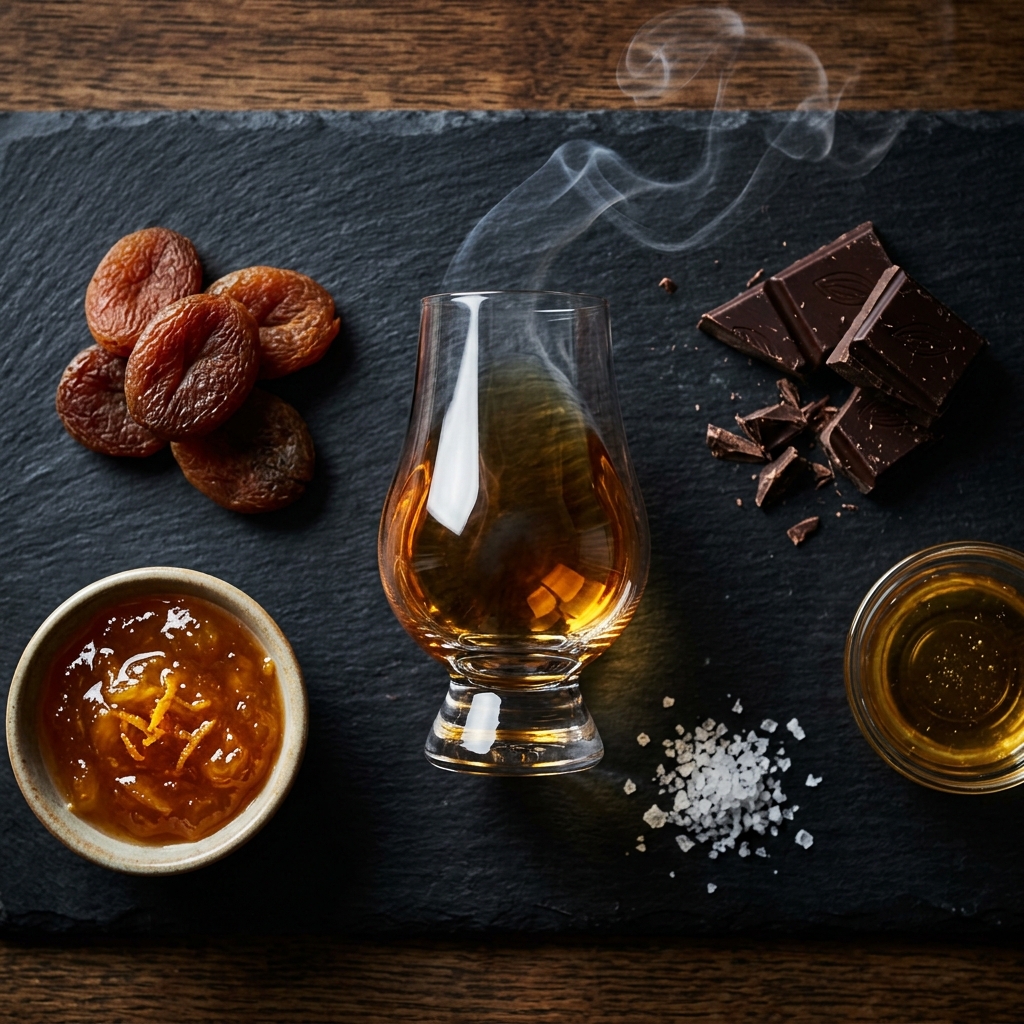
Full official tasting notes will tell the full story, but early descriptions suggest a meeting point between Mediterranean sweetness and Ardbeg's trademark Islay smoke.
- Fruit: apricot, marmalade, and richer dried-fruit sweetness
- Smoke: the salty, peated character Ardbeg fans expect
- Depth: darker notes like chocolate and roasted nuttiness
At 47.8% ABV, this should still feel unmistakably Ardbeg, just with a sweeter and more decadent angle than usual.
Who Is It For?
Ardbeg Dolce sits in an interesting spot. It could appeal to:
- Existing Ardbeg fans looking for something different
- Whisky drinkers who find traditional Ardbeg too aggressive
- Collectors chasing limited festival releases
If you enjoy smoky whisky but also like sherry or dessert cask influence, this could be a standout.
Should You Try to Get a Bottle?
If Ardbeg Day releases usually catch your eye, Dolce looks like one worth watching.
These bottles tend to sell out quickly and generate plenty of conversation in the whisky community. A Marsala-influenced Ardbeg is an unusual proposition, and that alone makes Dolce one of the more interesting festival releases of the year.
If you're curious about how dessert cask influence works alongside heavy peat, this is exactly the kind of release worth trying.
Final Thoughts
Ardbeg Day is more than just a release. It's a celebration of one of whisky's most distinctive distilleries and its global fanbase.
And with Dolce, 2026 looks set to be one of the more intriguing entries yet. Sicilian Marsala meets Islay peat, and that alone makes it worth paying attention to.
Want to explore more?