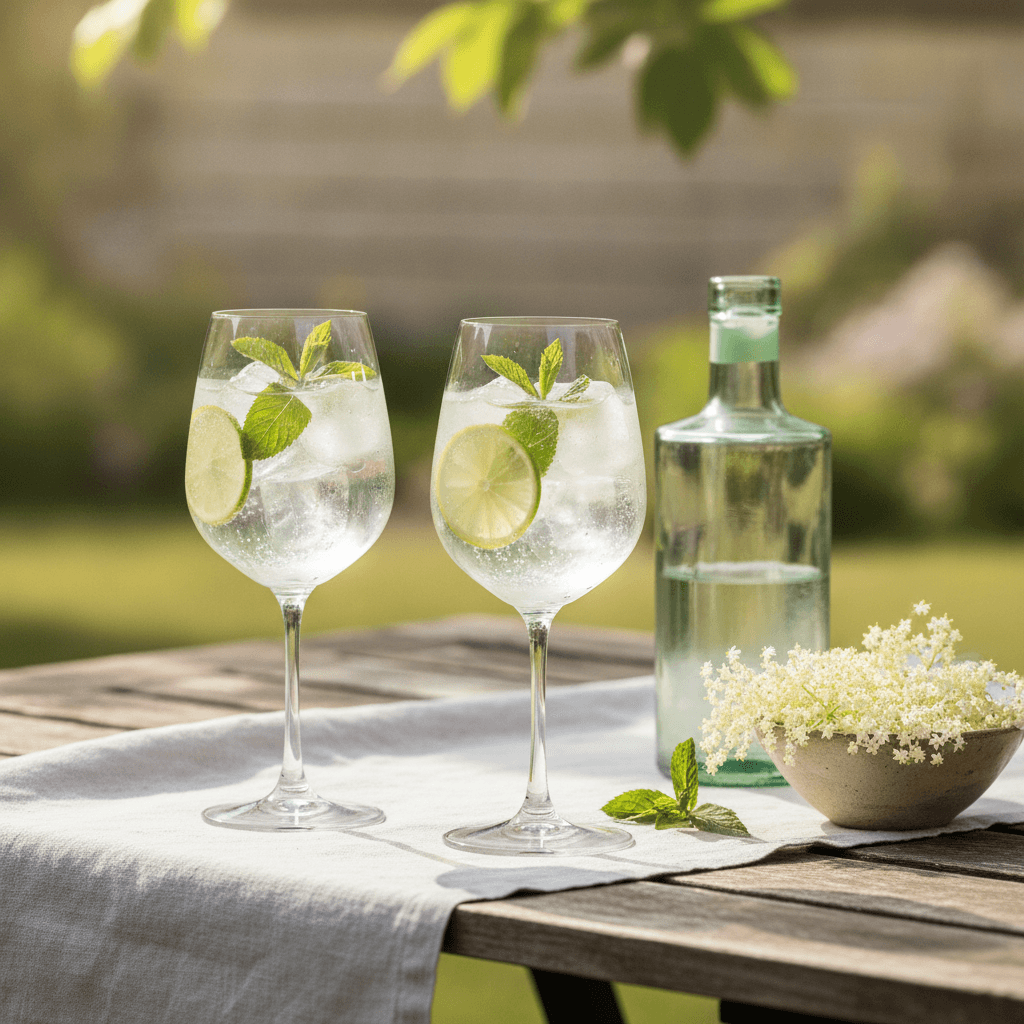
The Hugo Spritz has quietly caught up with the Aperol Spritz in Britain, and you can see why. It is paler, floral and barely bitter, so it suits people who find Aperol too medicinal, and it takes about a minute to make.
It also needs one bottle you may not own: elderflower liqueur. That bottle is the whole decision, so this guide covers how to build the drink, what to buy, and what else to do with it once the spritz season passes.
How to Build a Hugo Spritz
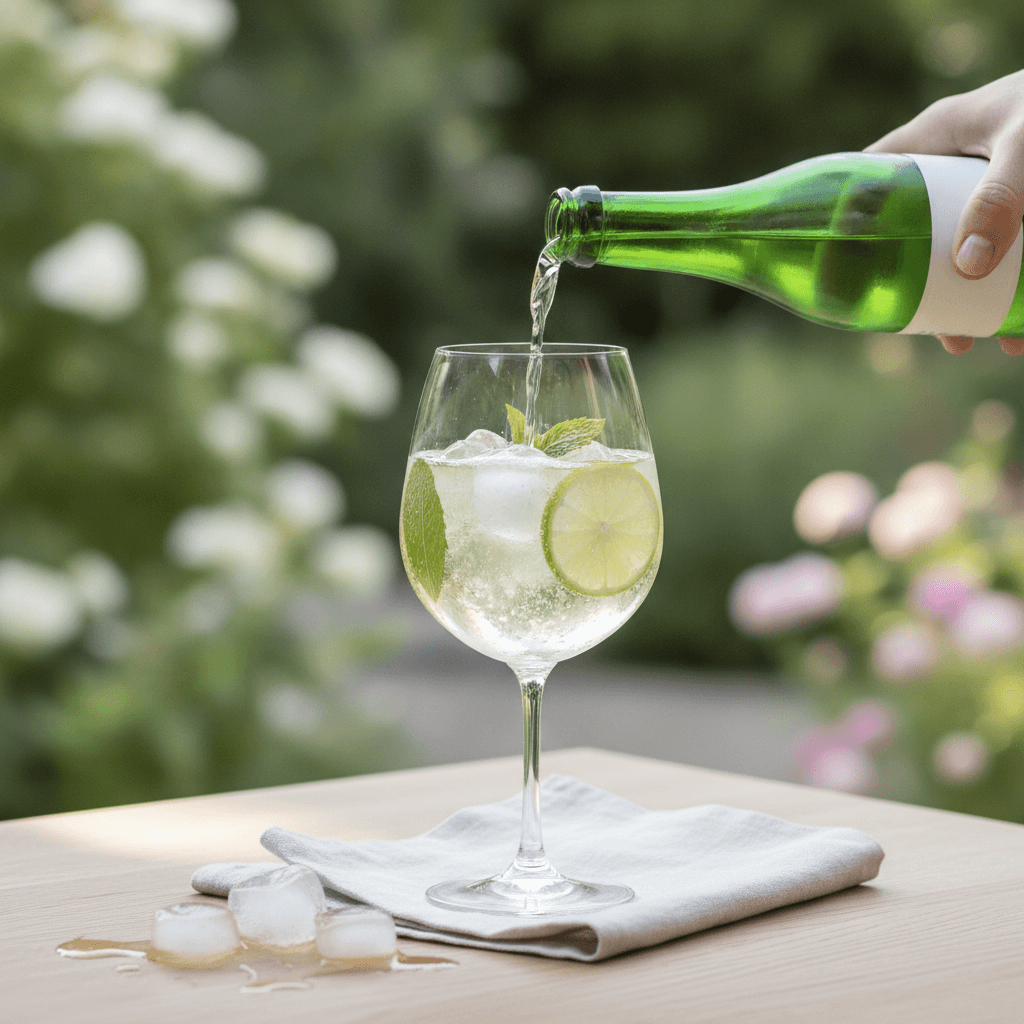
Use the biggest wine glass you own and fill it properly with ice. Half-filled glasses are why home spritzes taste warm and flat.
Add 50ml elderflower liqueur, then 100ml chilled dry prosecco, then a small splash of soda water. Stir once, gently. Slap a sprig of mint between your palms to wake up the oils and drop it in, then add a wheel or wedge of lime.
Two details make the difference. Do not muddle the mint, because bruised leaves turn the drink bitter and grassy. And pour the prosecco down the side of the glass rather than onto the ice, so it keeps its fizz.
Liqueur, Cordial or Syrup?
The Hugo was invented in South Tyrol in the mid 2000s, and the first versions used elderflower syrup rather than liqueur. So the cheap route is authentic, not a cheat.
Cordial or syrup gives you a sweeter, gentler drink with less alcohol, which is genuinely useful on a hot afternoon or for anyone driving home. Use slightly less than you would liqueur and add a proper squeeze of lime, or it drifts towards squash.
Liqueur gives you more of everything: a little weight, a touch of honeyed depth, and a drier finish, because the alcohol carries the flavour rather than the sugar. If you want the drink you get in a good bar, buy the liqueur.
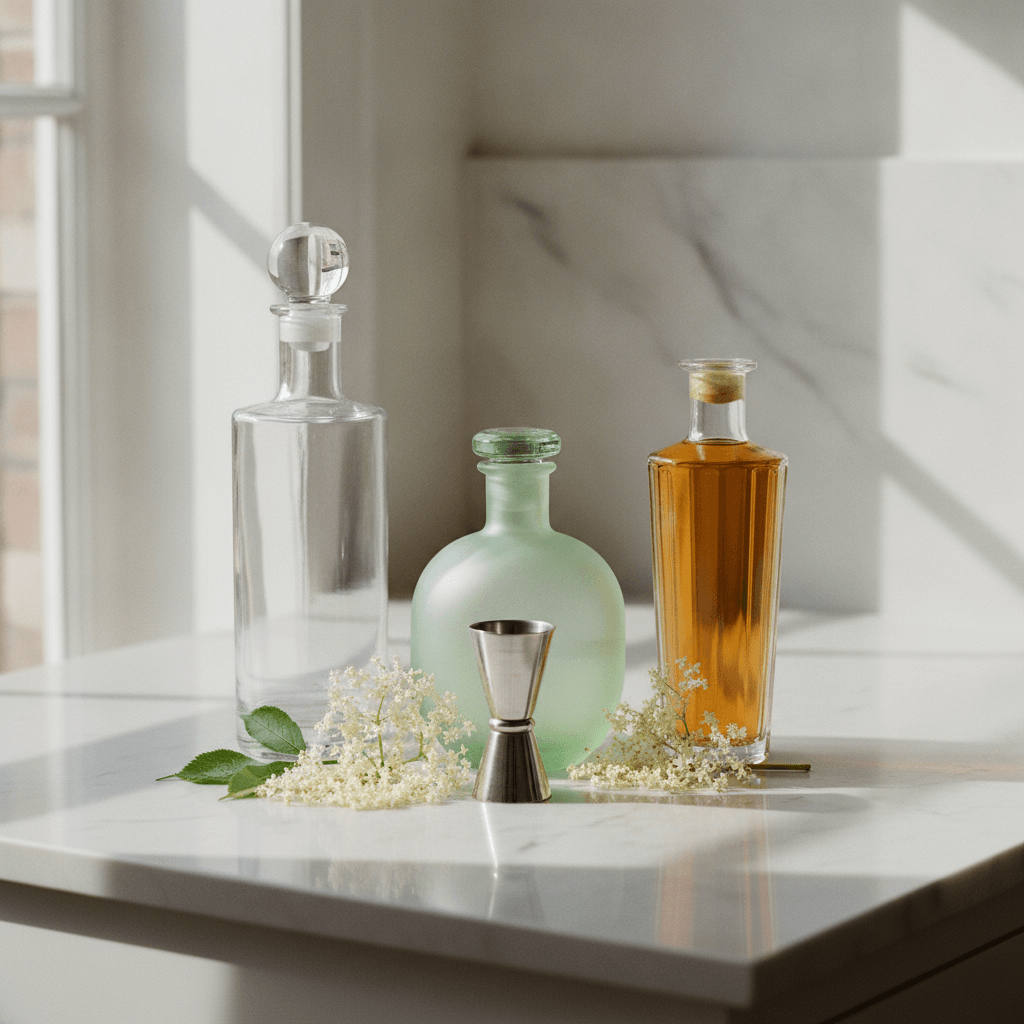
Which Bottle to Buy
Three options, in ascending order of spend. All of them make a good Hugo, and the differences show up most when you drink the liqueur long with soda instead of prosecco.
The benchmark: St-Germain
The bottle most bars reach for, made in France from elderflower blossom, and the reason the category exists outside the Alps. It tastes of pear, lychee and honeysuckle, with a rounded honeyed sweetness that suits prosecco perfectly. It is the most expensive of the three and the hardest to get wrong.
Buy it if: you want the version you have had in a bar, or you are making these for other people. Browse elderflower liqueurs in the catalogue.
The bartender's pick: Giffard Fleur de Sureau Sauvage
Giffard has been making fruit liqueurs in the Loire since the nineteenth century, and their wild elderflower is drier and more floral than St-Germain, with less honey to it. That makes it the better bottle if you like your spritz crisp, and it stands up well in a gin drink where sweetness can take over.
Buy it if: you want a less sweet Hugo, or you will mix with gin as often as with prosecco.
The cheap and cheerful route: elderflower cordial
A good British elderflower cordial costs a fraction of a liqueur and lives in the fridge next to the tonic. It makes a softer, sweeter Hugo, and a very good non-alcoholic one with sparkling water in place of the prosecco. Look for a cordial that lists elderflower rather than flavouring, and taste it neat before you build the drink so you know how sweet you are starting.
Buy it if: you are making a jug, feeding a crowd, or want the drink to be an afternoon rather than an evening.
What Sparkling Wine to Use
Go dry. The liqueur brings all the sweetness the drink needs, so a sweeter wine leaves it cloying. The label trips people up here: prosecco marked Extra Dry is sweeter than prosecco marked Brut, so Brut is the one you want.
Cava works well and is often better value. A dry English sparkling wine makes a sharper, greener Hugo that is worth trying if you find the drink too soft. What you should not do is spend heavily. Anything with real complexity is wasted under elderflower, mint and ice.
What Else to Do With the Bottle
Elderflower is the most useful floral note behind a home bar, because it sits happily with almost every clear spirit.
Elderflower highball. 25ml liqueur, 50ml gin or vodka, ice, top with soda and a long strip of lemon peel. Cleaner and more grown-up than the spritz.
A better gin and tonic. A 10ml splash of elderflower liqueur turns a plain London dry gin floral without any extra botanicals. It works especially well with a citrus-forward gin, and our summer gin and tonic guide covers the garnish pairings.
Elderflower and grapefruit. 25ml liqueur, 100ml pink grapefruit juice, top with soda. The bitterness of grapefruit is the perfect brake on the sweetness, with or without vodka.
A floral whisky highball. A 10ml measure alongside a light blended whisky, plenty of ice and soda. Softer than it sounds, and a good way to get someone into whisky sideways.
Frequently Asked Questions
What is in a Hugo Spritz?
Elderflower liqueur, chilled dry prosecco, a splash of soda water, plenty of ice, fresh mint and a wheel of lime. It is built straight in a large wine glass and needs no shaking.
Can you make a Hugo Spritz with elderflower cordial instead of liqueur?
Yes, and the original South Tyrolean version was made with syrup rather than liqueur. Cordial makes a sweeter, softer, lower-strength drink. Use a little less of it than you would liqueur, and add a squeeze of lime to keep it from turning sugary.
Which prosecco is best for a Hugo Spritz?
A dry one. Look for Brut on the label, since prosecco marked Extra Dry is actually sweeter than Brut. Cava or a dry English sparkling wine both work well too, and the drink is fizzy enough that you do not need to spend much.
What else can you make with elderflower liqueur?
It is one of the most useful bottles on a summer shelf. Try it long with soda and lime, as a sweetener in a gin and tonic, with grapefruit juice and sparkling water, or a small measure stirred into a whisky highball.
Our Short Answer
Buy one bottle of elderflower liqueur and one bottle of Brut prosecco, and keep mint and limes in the house for the rest of August. That is the whole shopping list, and it covers about six good drinks per bottle of fizz.
If you like the serve, the same glass and the same ice make a fine aperitivo with something bitter in it instead. Our guide to the Italian aperitivo hour is the next place to go.