National Rum Day falls on 16 August, which is as good an excuse as any to buy a bottle you would not normally reach for. This guide is for one person in particular: the whisky drinker who has a shelf of single malt, has never bought rum to drink neat, and is not sure where the good stuff starts.
The short answer is that it starts lower down the price list than you expect. Rum has fewer trophy bottles than Scotch, so the money you spend goes further into the glass. The longer answer is that the rum shelf hides more than the whisky shelf does, and knowing three things about a label saves you from most of the disappointments.
We have picked by budget rather than by brand, because that is how people actually shop. Three bands: a first bottle, a proper step up, and something for an occasion. If you want the mechanics first, our explainer on how rum is made covers cane to cask.
Why the Rum Shelf Reads Differently to Whisky
Scotch has rules you can lean on. A single malt is one distillery, one mash bill, and the age statement means the youngest spirit in the bottle. Rum has no equivalent global rulebook, so producers can be as strict or as loose as their local law allows.
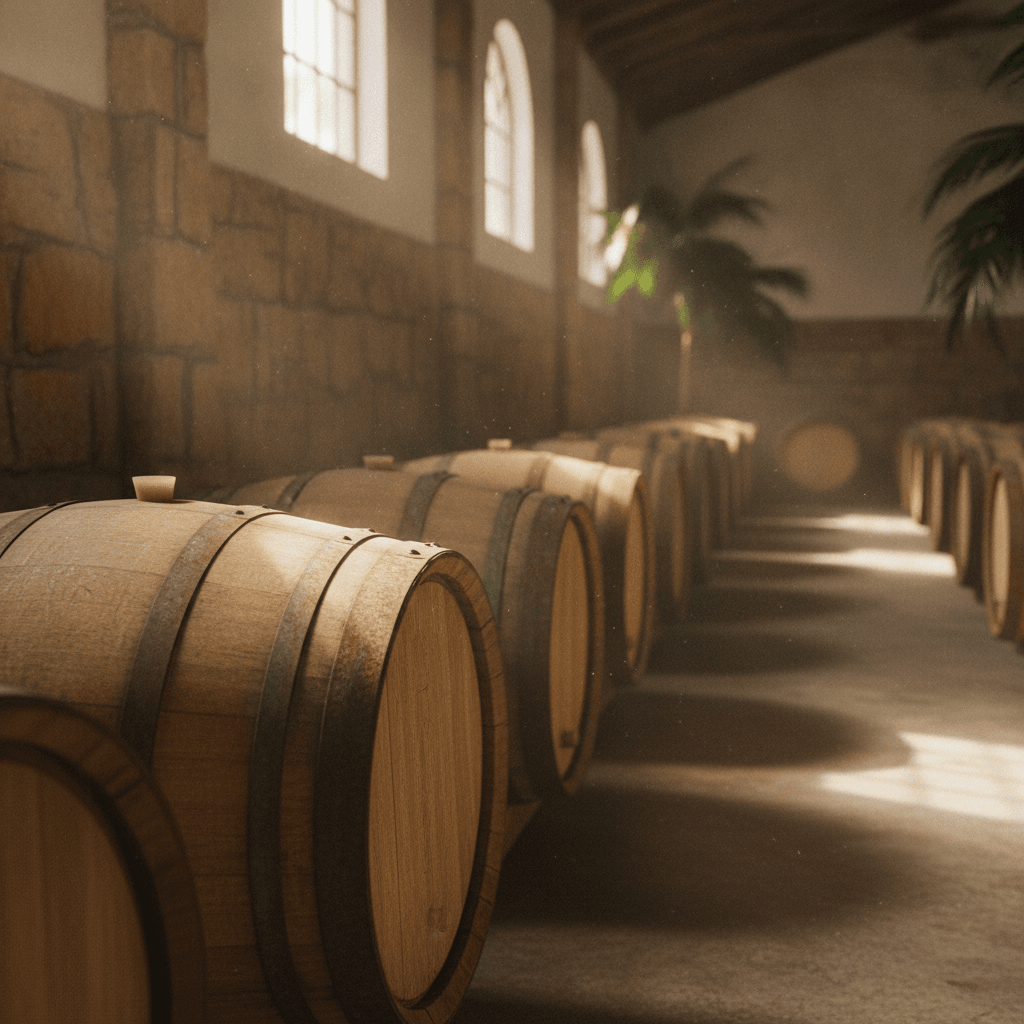
Three habits are worth knowing. First, some rums are sweetened after distillation, which rounds off the edges and can make a young spirit taste older than it is. It is not a scandal, plenty of popular rums do it, but if you like your whisky dry you will taste it and it will bother you. Second, an age number on a rum does not always mean what it means on Scotch, and on solera-style bottles it often refers to the oldest rum in the blend rather than the youngest. Third, rum aged in the Caribbean matures far faster than spirit ageing in a cold Scottish warehouse, because the heat drives the spirit into the wood and takes a much bigger share each year. A tropically aged rum with eight years on it can have more oak in it than a Speyside twice its age.
Put those together and the useful rule is simple. Reward the bottles that tell you things: where it was distilled, whether it is pot still, column still or a blend, whether anything was added, and what the age statement counts. Producers who are proud of the answers print them.
Three Places to Learn First
Barbados is the easiest landing spot for a whisky drinker. The house style blends pot and column still spirit into something balanced and dry, with banana, toffee, toasted almond and a clean finish. Foursquare is the name that has done most to change how serious drinkers think about rum, and its distiller is loudly against added sugar. Mount Gay, on the same island, is one of the oldest names in the category and sits in the same well-mannered lane.
Jamaica is the loud one. Long fermentations and pot stills give a big, ripe, tropical-fruit intensity the trade calls hogo: overripe banana, pineapple, varnish and glue in the best possible sense. Appleton Estate is the approachable version, Hampden Estate the full-volume one. If you drink peated Islay whisky, this is the rum equivalent of that jump, and you will probably love it.
Guyana is for anyone who likes sherried Scotch. Demerara rum from the old wooden stills is deep and dark, with burnt sugar, molasses, coffee and dried fruit. El Dorado is the flagship name here, and its rums lean sweeter than the Bajan style, which suits some palates and not others.
Two more worth knowing once you have those three straight. Planteray, which ages in the tropics and finishes casks in France, is a good bridge if you like a cask-finished malt. Zacapa from Guatemala is the softer, sweeter, pudding-end of the shelf, and it converts people who think they do not like spirits neat.
Around £40: Your First Bottle to Sip
This band is where rum embarrasses whisky. For the price of an entry-level blend you can buy something with eight to twelve years of tropical ageing behind it, which is real, evident flavour rather than a promise.
For Barbados, look at Doorly's, made at Foursquare, or Mount Gay Black Barrel. Both are dry enough to drink neat, both cost about what a supermarket single malt costs, and both make a very good old fashioned if you decide neat is not for you. For Jamaica, Appleton Estate Signature is the low-risk introduction to hogo, with enough fruit to be interesting and not so much that it startles you.
What to skip in this band: anything spiced, anything in a bottle shaped like a treasure chest, and anything that talks about a secret recipe instead of a distillery. Those are built for cola, and they are perfectly good at that job, but they are not what you are buying today.
Around £80: The Step Up That Actually Shows
This is the sweet spot, and it is where most people who get into rum end up living. The bottles here have proper age statements, named stills and, increasingly, a sugar declaration on the back label.
Foursquare's cask releases are the obvious recommendation: single blends of pot and column spirit, finished in casks that have held sherry, port or Madeira, bottled dry and often at a strength that rewards a drop of water. They read like a good independent-bottler malt, and they are the bottles that convert whisky drinkers fastest.
Appleton Estate's older expressions bring the Jamaican fruit with oak underneath it. El Dorado 15 is the classic Demerara statement, thick and sweet, best after dinner rather than before it. Planteray's aged Barbados releases sit in between, tropical ageing with a European cask finish, which is a familiar shape if you have ever bought a port-finished Scotch.
If you buy one bottle from this guide, buy it here. The jump from the £40 band to this one is bigger than the jump from here to the next.
£100 and Up: The Occasion Bottle
Super-premium rum is the part of the category that is genuinely growing, and the shelf is now full of bottles that would have been unthinkable ten years ago. The good news is that you are usually paying for age, strength or scarcity, not for a heavy decanter.
St Nicholas Abbey makes rum in tiny quantities from cane grown on its own Barbadian estate, and its aged bottlings are as considered as anything in spirits. Hampden Estate's high-ester Jamaican releases are the ones to buy if the funk is what you fell for. Older Demerara rums from the wooden stills are the collector's corner, dark and syrupy and very much an after-dinner pour. Foursquare's limited releases sit here too, and they sell out quickly.
A warning that applies to the whole band. Age is not a guarantee of pleasure in rum any more than it is in whisky. A twelve-year-old you love is a better buy than a twenty-five-year-old you feel obliged to admire.
How to Drink It on the Night
Treat it exactly as you would a malt. A tulip glass or a small wine glass beats a heavy tumbler, because it collects the aroma instead of letting it escape. Pour a small measure, leave it a minute, and nose it gently before the alcohol tires you out.
Neat first, then a few drops of water. Water opens rum up the same way it opens whisky, especially anything bottled at higher strength, and on a Jamaican rum it lifts the fruit right out of the glass. Skip the ice on a first pour. Cold flattens the sweetness and hides the oak, which is fine on a Friday and a waste on a good bottle.
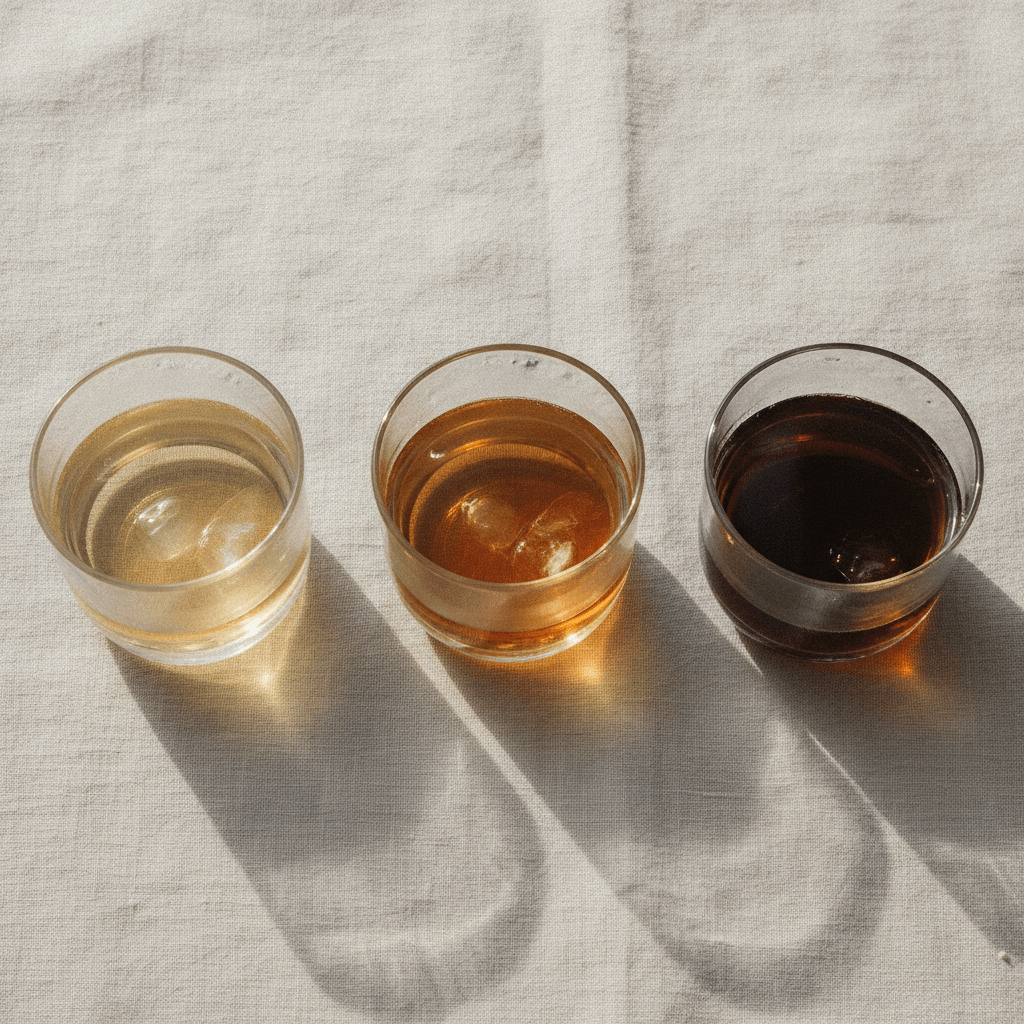
If you are pouring for several people, line up a Barbadian, a Jamaican and a Demerara side by side. Three glasses is the fastest way to understand the category, and it turns a bottle into an evening. For something longer once the tasting is done, our summer rum cocktails piece has a proper daiquiri that uses your good rum well rather than burying it.
What to Buy, in One Line
Never bought rum neat before: a Barbadian bottle around £40, dry and balanced, drunk the way you drink your everyday malt. Ready to spend properly: a Foursquare cask release or an aged Appleton, both of which will change what you think rum is. Buying a gift for a whisky drinker: a tropically aged Barbados rum with an age statement and no added sugar, because it lands as familiar and unfamiliar at the same time.
Buy it before the middle of the month, because good rum has a habit of going quiet around 16 August. Then open it. Rum is not a spirit that improves in an unopened bottle on a shelf.