Cross the border and Scotland takes all the whisky glory. Head south of it, into the North of England, and you will find a distilling scene that has grown up fast and quietly. It started with gin, the way most modern craft scenes did, and it now runs to proper single malt whisky too.
This is not a story about big brands. It is about small distilleries rooted in a specific dale, fell or market town, run by people who care about the batch in front of them. If you like knowing where your bottle comes from, the North rewards you. Here is how the map breaks down, and what to reach for.
Yorkshire: Where the Gin Boom Landed
Yorkshire is the heart of it. The bottle we keep coming back to is Masons The Original Dry Yorkshire Gin, distilled in small batches in Bedale. It is a classic London dry style with bright lemon and orange peel over a firm juniper backbone, dry and clean rather than sweet. That makes it a genuinely good everyday mixer, and one of the most reliable house gins in the region.
Masons is not alone. Cooper King, near York, distils gin and whisky on the same site and runs a sustainability-first setup. It is a good example of the county's style: confident, juniper-led gin that does not chase gimmicks. If you have drifted through a run of sweet, coloured gins, a proper Yorkshire dry gin is a clean reset.
Cumbria and the Lakes
Cumbria trades on its scenery, and the distilleries lean into it. The Lakes Distillery, on the shore of Bassenthwaite, is the best known. It makes a well-regarded gin alongside a growing single malt whisky programme, so it is a rare English site where you can drink your way from a summer G and T to an after-dinner dram without leaving the estate.
Smaller Cumbrian producers like Shed 1 in Ulverston show the other end of the scale, tiny operations with real personality and unusual botanical recipes. The through-line across the county is a gin built for the outdoors: fresh, herbal, and easy to drink after a day on the fells.
The North East: Durham to Northumberland
The North East has quietly become one of the more interesting corners. Durham Distillery makes Durham Gin, a juniper-forward dry gin with a celery seed note that sets it apart. Poetic License in Sunderland has built a following for its characterful gins, and up in Northumberland, Hepple makes a green, piney gin using juniper grown on its own moorland.
Northumberland is also home to Ad Gefrin, a distillery and museum near Wooler that has revived whisky-making in a part of England that had none. It is early days for the spirit, but it is a sign of how far the northern story now reaches beyond gin.
The Northern Whisky Story
English single malt is young, but the North is leading it. Spirit of Yorkshire, near Filey, releases its whisky under the Filey Bay name and was one of the first Yorkshire distilleries to bottle a single malt of its own. The Lakes single malt has built a name on sherry-cask maturation, leaning rich and fruity rather than smoky.
Do not expect these to taste like Scotch pretending to be English. The best of them have their own character: orchard fruit, malt and gentle spice, with cask influence doing a lot of the talking. They reward curiosity, and they make a genuine talking point on any shelf that is otherwise all Speyside and Islay.
How to Drink It
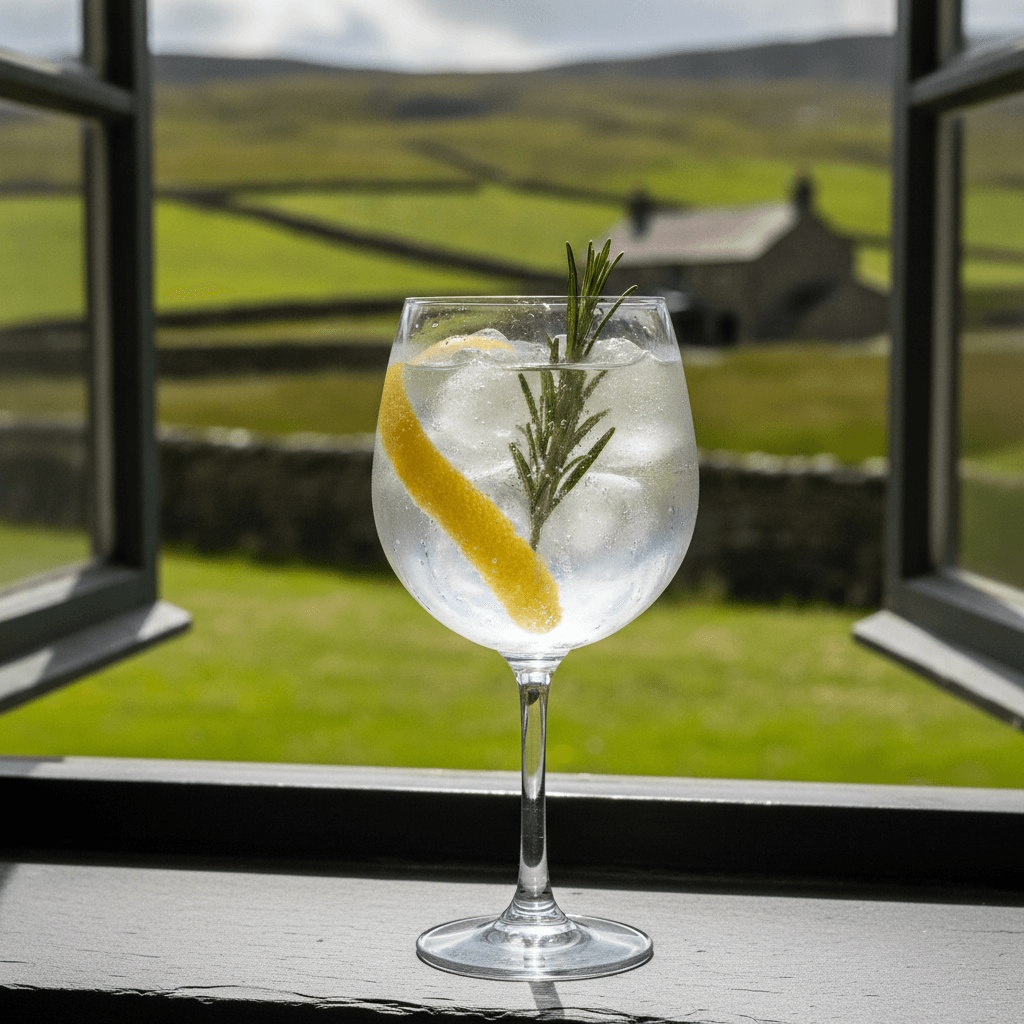
For the gin, keep it simple and let the distillery's work show. Plenty of ice, a good neutral tonic, and a wide strip of fresh lemon or grapefruit peel to echo the citrus in most of these dry styles. Skip the tired wedge of lime out of habit. The peel oils are what lift a northern G and T.
For the whisky, start neat, then add a few drops of water and taste again. A young English malt often opens up noticeably with a little water, softening the spirit and pushing the fruit forward. If you want to learn the gin styles first, our guide to the main styles of gin is a good place to start, or take the Find Your Gin quiz to narrow it down.