Est. 1881 • Port Askaig, Isle of Islay, Scotland
Bunnahabhain
"Islay without the bonfire"
About Bunnahabhain
Bunnahabhain sits on the quiet north-east coast of Islay, looking across the Sound of Islay to Jura. Its name is Gaelic for mouth of the river, and it is pronounced boo-na-hav-en. Where most Islay malts lead with heavy peat smoke, Bunnahabhain is largely unpeated: a gentle, maritime, honeyed dram that is the calm counterpoint to its smoky neighbours to the south. It is a fine place to meet Islay before the bonfire.
1881
Founded
140+ yrs
Heritage
Islay
Region
Unpeated
House style
Discover Bunnahabhain
The gentle side of Islay
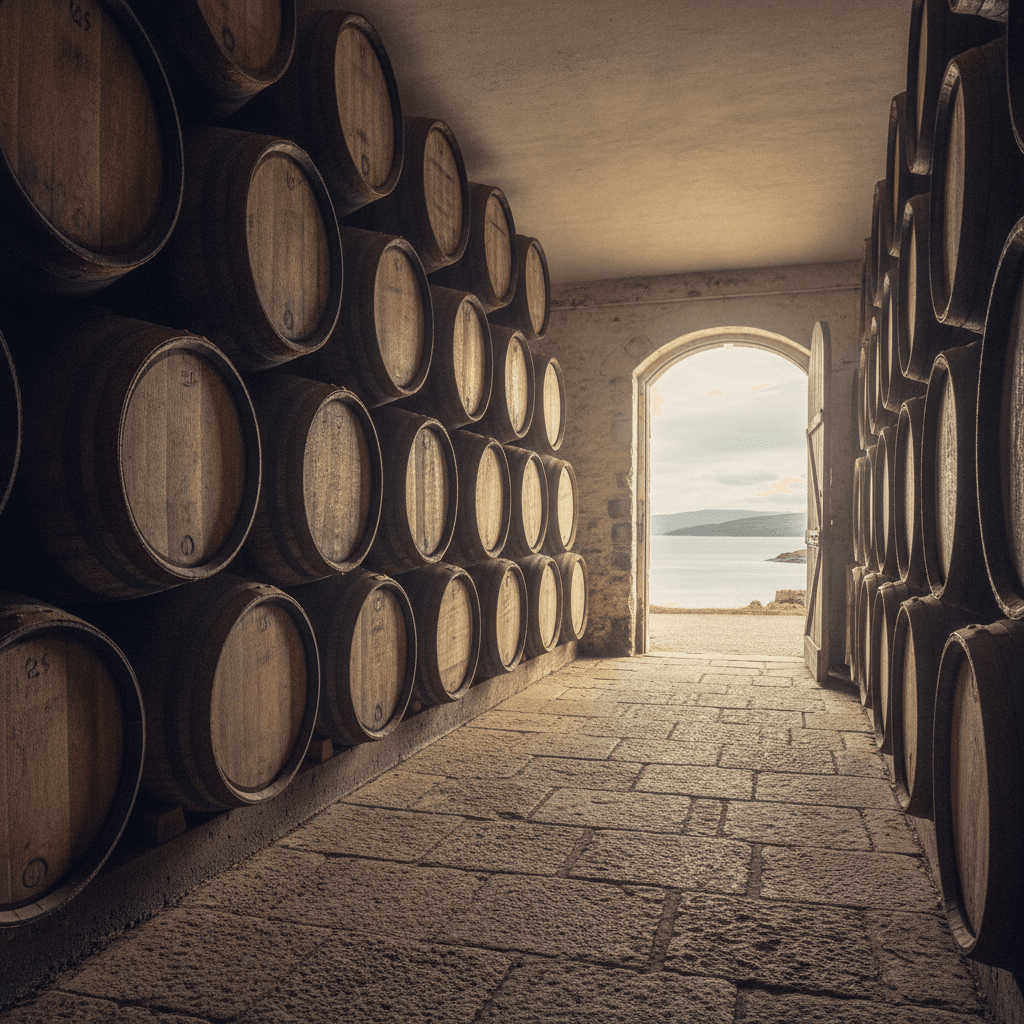
Casks resting by the sea
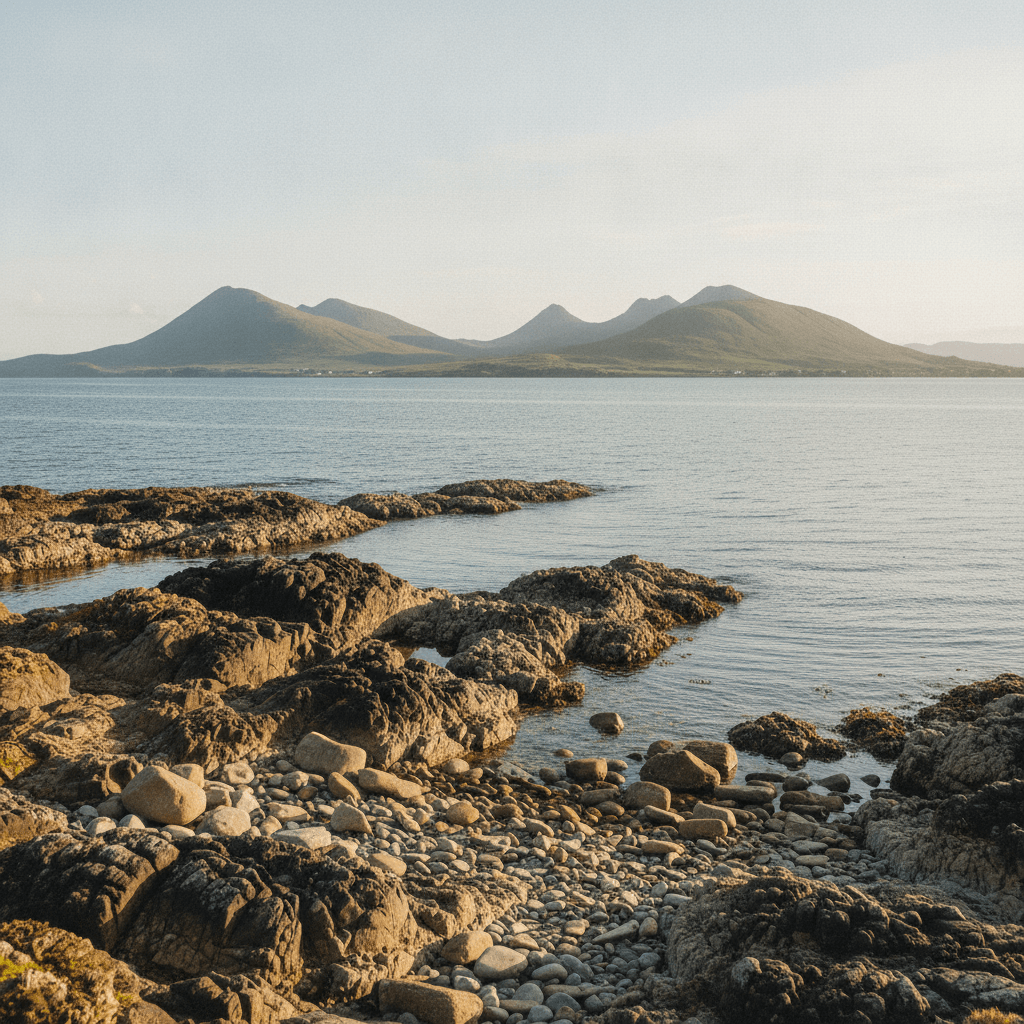
The Sound of Islay, with Jura beyond
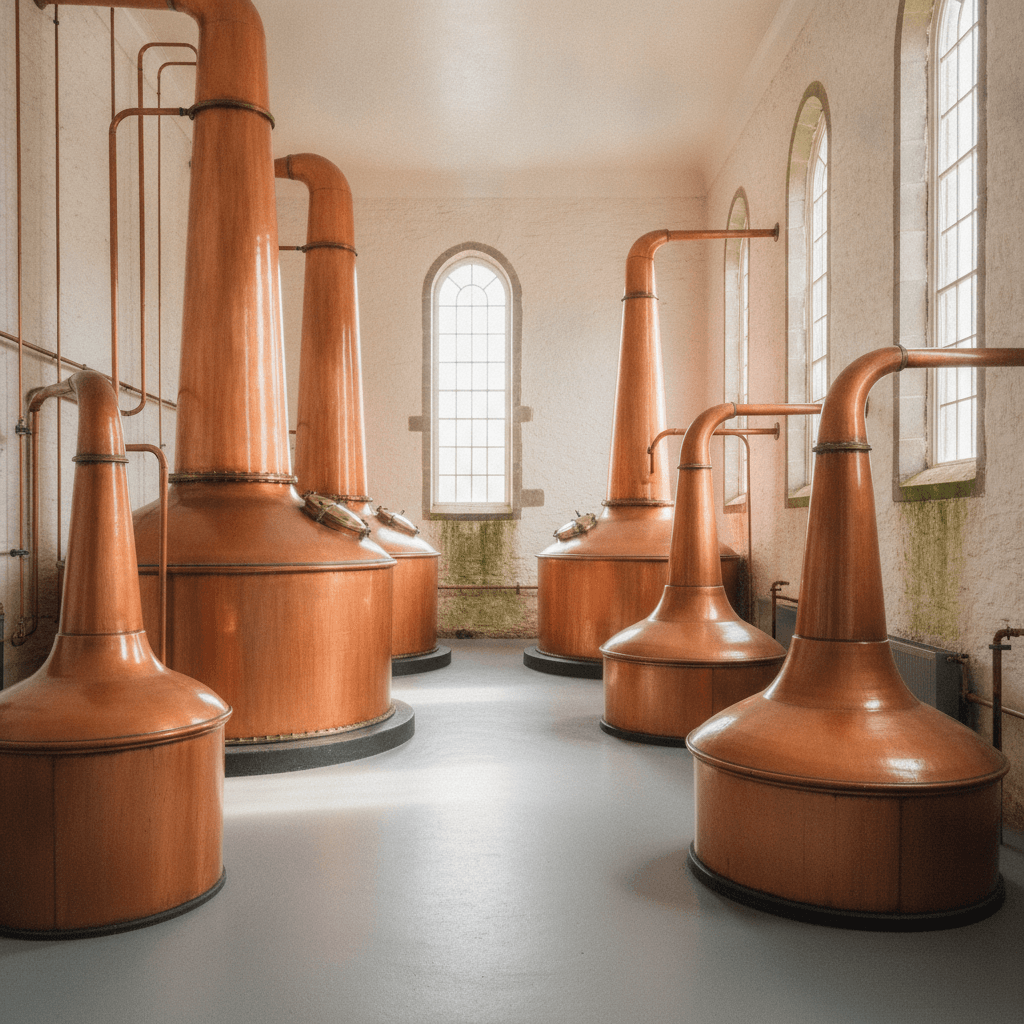
The distillery's large copper stills
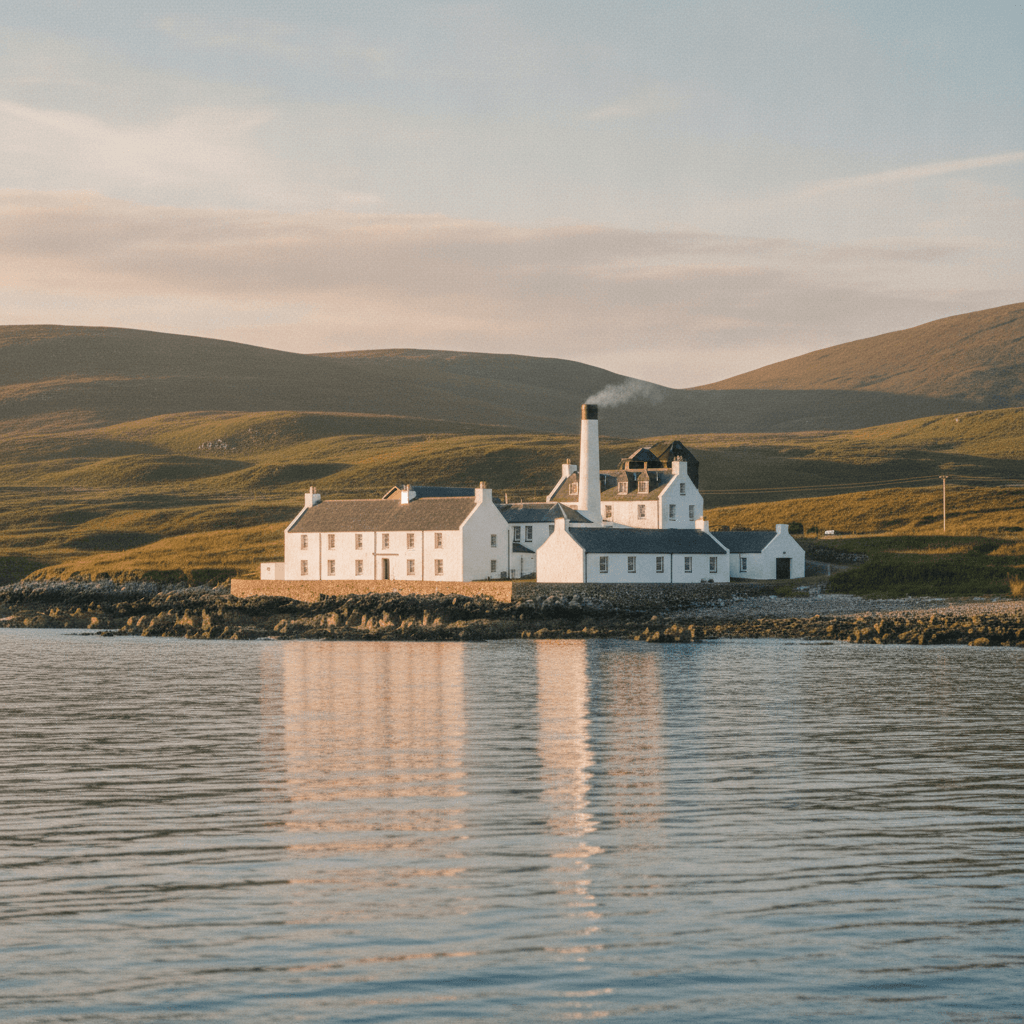
The whitewashed buildings on the shore
New to Islay?
Islay, and why Bunnahabhain is different
Islay is famous for smoke, but Bunnahabhain mostly leaves the peat out. If you want to understand where it sits on the island, and why its neighbours taste of bonfire while it tastes of the sea, start with these two guides.
The Craft
What makes Bunnahabhain the gentle Islay malt
Water Source
Margadale Spring
Spring water piped to the distillery, kept apart from the peaty burns that colour other Islay malts
The Malt
Largely unpeated
The core range is made from unpeated malt, with separate peated expressions produced too
Gentle, honeyed and maritime, with a soft sea-salt edge rather than bonfire smoke
Copper Stills
Large and tall
Among the largest stills on Islay, giving a rounder, softer spirit
What Makes Bunnahabhain Special
One of the few Islay malts built around unpeated whisky
A maritime, honeyed house style, the gentle side of Islay
Also bottles peated expressions such as Toiteach and Stiuireadail for those who want smoke
The Collection
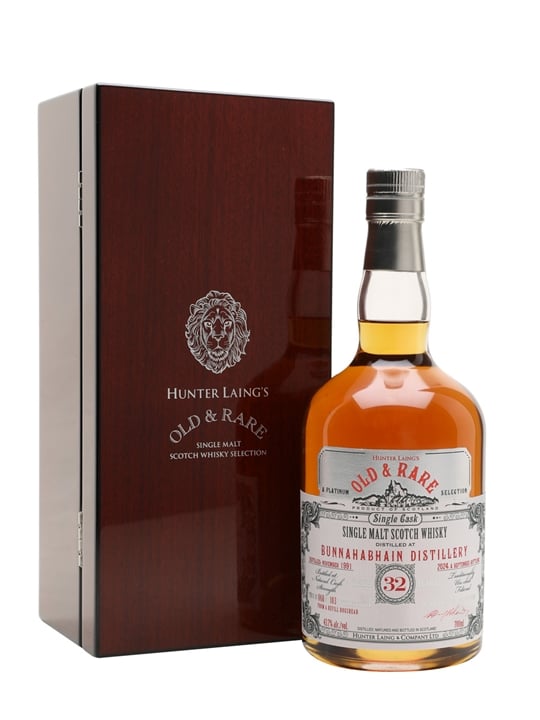
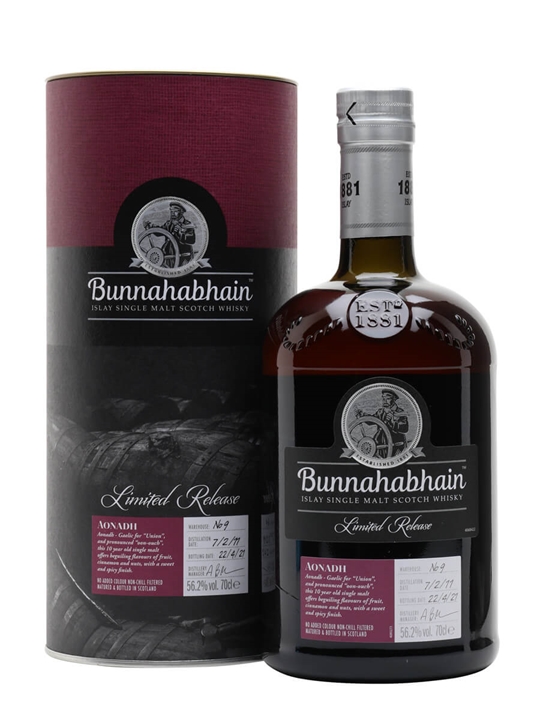
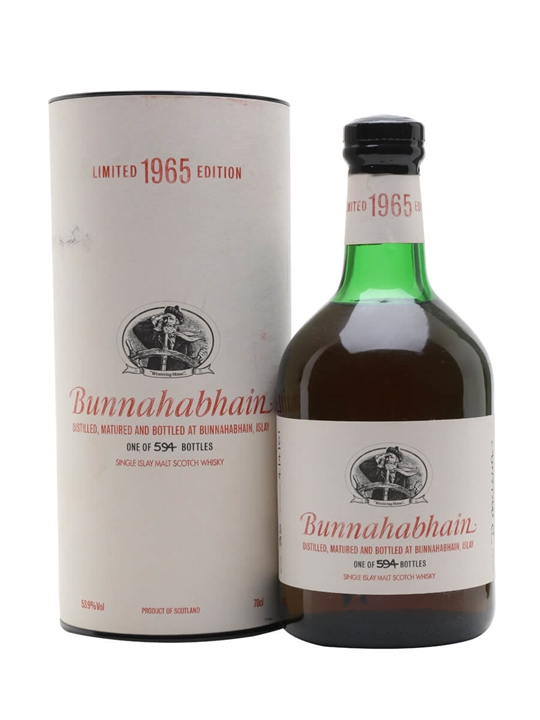
Browse the Bunnahabhain bottles we stock and find where to buy





Getting There
Plan your journey to Islay's north coast
By Air
Islay Airport (ILY)
About 40 minutes by car
Daily flights from Glasgow
By Ferry
Kennacraig to Port Askaig
About 2 hours crossing
CalMac Ferries
From Glasgow
Around 3 hours to Kennacraig, then the ferry
Roughly 5 to 6 hours in total
Travel Tips
- •Book the ferry well ahead, especially in summer
- •The final road to the distillery is a narrow single track, take it slowly
- •Stay on Islay to pair a visit with the nearby distilleries
Plan Your Visit
The visitor centre and shop sit right on the shore, looking across the Sound of Islay to Jura
Booking ahead is recommended
Nearby Distilleries
Explore more of Islay's whisky trail
💡 Tip: Islay is small, so it is easy to pair a quiet Bunnahabhain visit with its smokier neighbours.
A Quiet Corner of Islay
More than a century on the north shore
Bunnahabhain founded on Islay's north-east coast, with its own village for workers
Bunnahabhain founded on Islay's north-east coast, with its own village for workers
The distillery becomes part of the Highland Distillers group
The distillery becomes part of the Highland Distillers group
The stills are expanded, cementing the large, rounded house style
The stills are expanded, cementing the large, rounded house style
Bunnahabhain 12 Year Old relaunched at a natural colour and non-chill-filtered strength
Bunnahabhain 12 Year Old relaunched at a natural colour and non-chill-filtered strength
Distell acquires Burn Stewart Distillers, taking on Bunnahabhain
Distell acquires Burn Stewart Distillers, taking on Bunnahabhain
A major upgrade of the visitor centre and site begins on the north shore
A major upgrade of the visitor centre and site begins on the north shore
Start With Bunnahabhain
Add Bunnahabhain bottles to your cabinet, keep your tasting notes, and meet the gentle side of Islay.