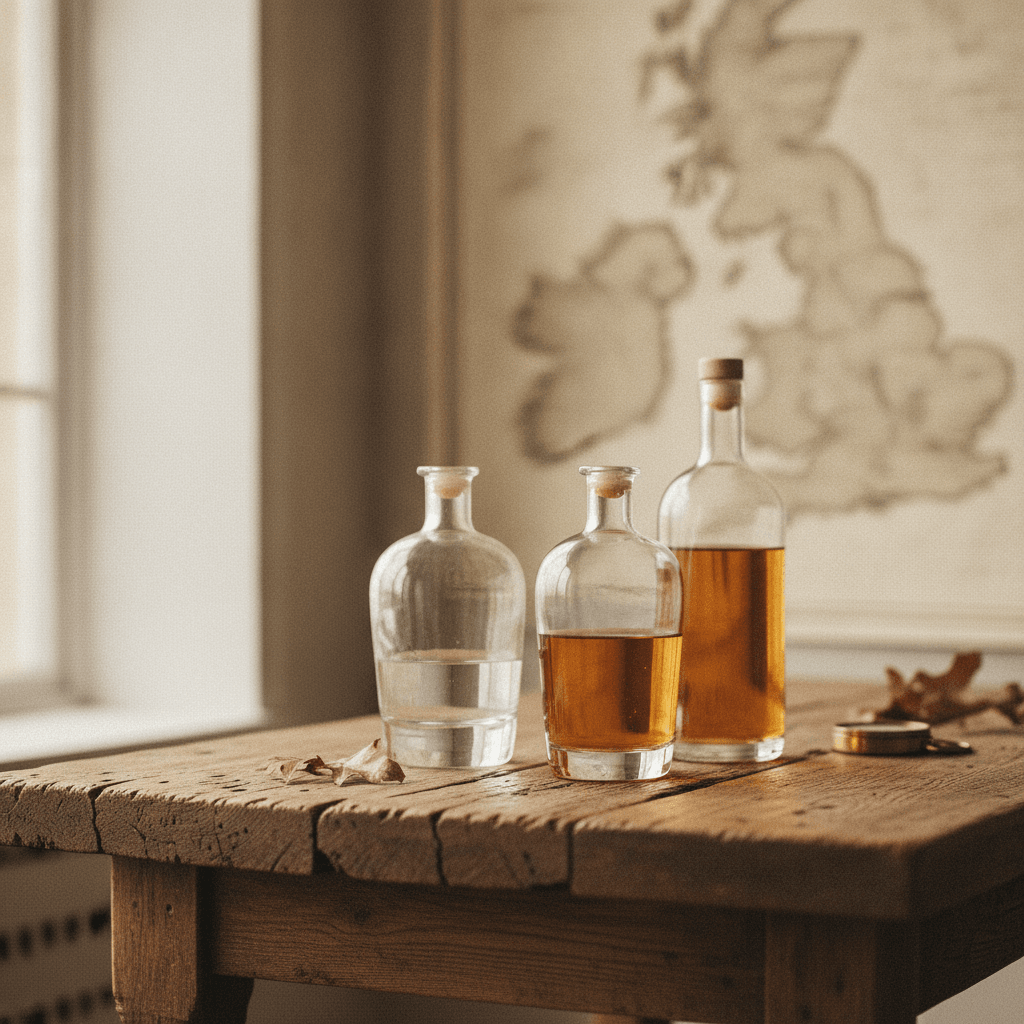
Britain makes more good spirit than it ever has. Scotch is the anchor, but you can now buy a serious single malt from Wales, a piney gin distilled on a Northumberland moor, or a rum-cask whisky made a mile from the Cornish coast. The map is the fun part.
This is a buyer's guide, not a history lesson. We have gone region by region, picked out what each corner does well, and pointed you at what to reach for. Where the flavour talk gets specific, it is about the style of a place, so use it to find a bottle you will actually enjoy rather than one that just looks good on the shelf.
Scotland: The Home Team
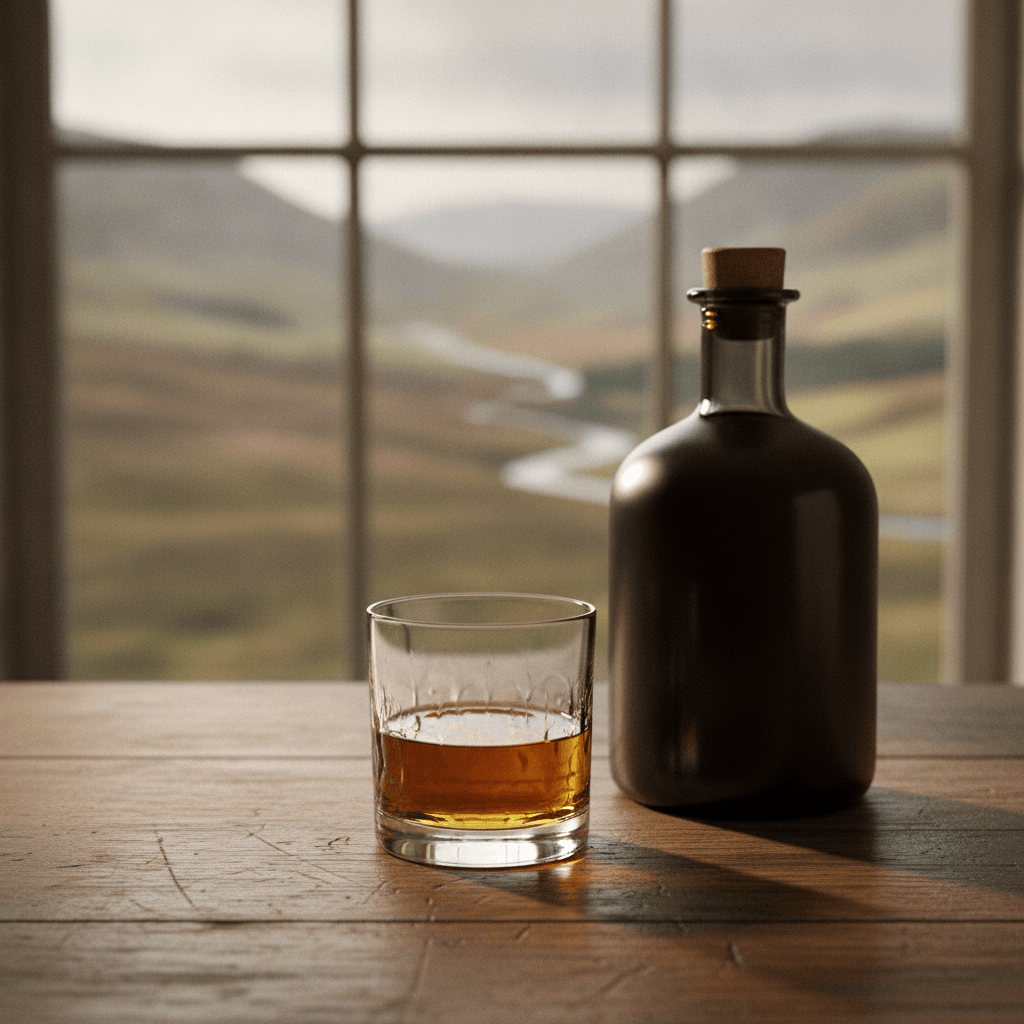
Start here because everything else grew up in its shadow. Scotch splits into regions with real differences in style. Speyside leans elegant and fruity, all orchard fruit and honey. Islay is the smoky one, where peat and sea air do the talking. The Highlands cover the widest range, and the Lowlands tend to be light and gentle, a good place to start if big flavour puts you off.
If you are new to it, learn the map before you spend. Our guide to the whisky regions of Scotland breaks down what each one tastes like, and if smoke is what you are chasing, this piece on why Islay whisky is so smoky will point you to the right bottles. Scotland does gin well too, much of it distilled at whisky sites. In the south west, Crafty Distillery makes its Hills & Harbour gin from scratch using Galloway botanicals, so it is worth a look beyond the malt.
Wales: Small Country, Serious Whisky
Wales punches above its size. Penderyn, in the Brecon Beacons, revived Welsh whisky-making and has built a reputation for a bright, fruity single malt often finished in a mix of casks. It is approachable rather than heavy, and a genuinely different answer to the usual Scotch or Irish choice.
The Welsh gin scene has grown alongside it, with distilleries leaning on local botanicals like gorse and mountain herbs. If you want a British malt that surprises people, a Welsh bottle is an easy win and rarely the obvious pick on anyone's shelf.
Northern England: The Craft Heartland
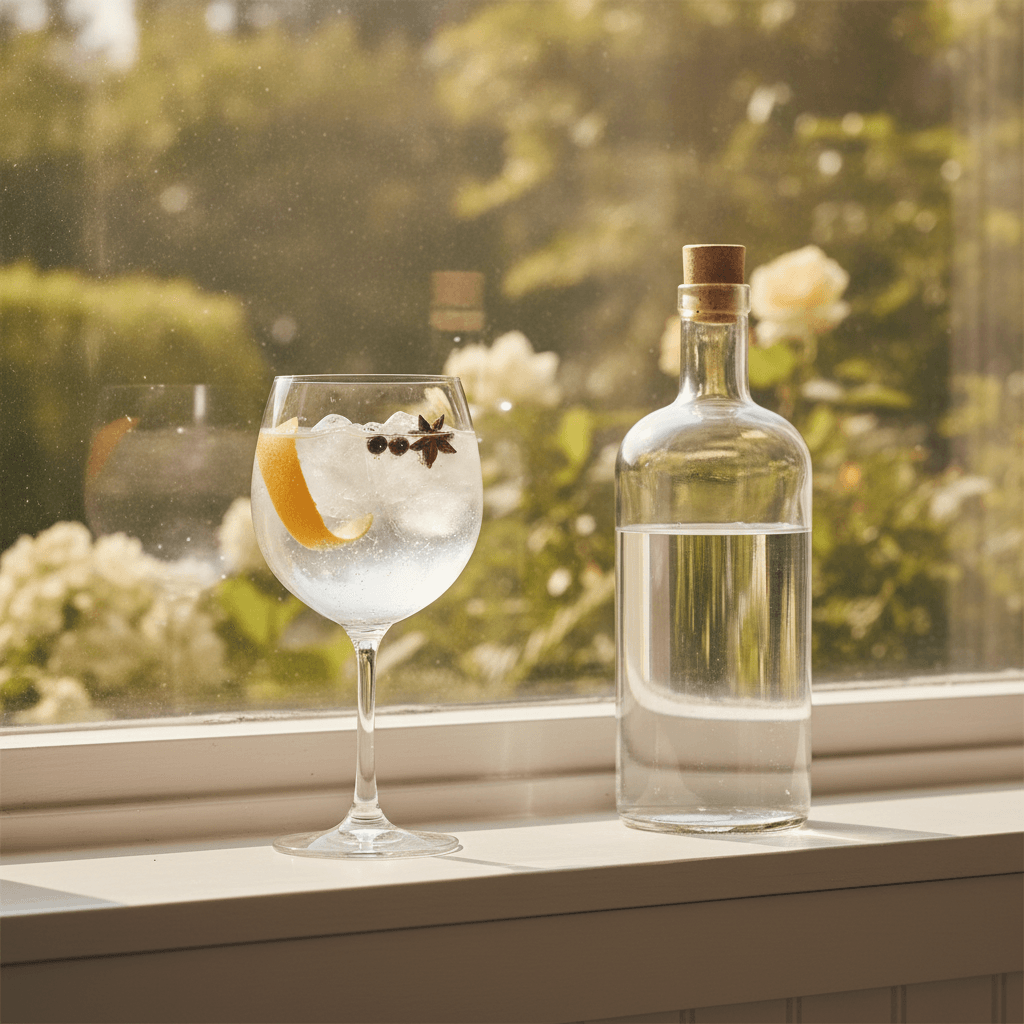
The North of England has quietly become one of the best regions to explore. Yorkshire is the heart of the gin boom, and a bottle like Masons The Original Dry Yorkshire Gin shows the house style: clean, citrus-forward and juniper-led, made for a proper G and T rather than a sweet one. Cumbria and the North East each have their own take, from herbal Lakeland gins to piney Northumberland ones.
English single malt is young, but the North is leading it, with sherry-cask richness and orchard-fruit character rather than an imitation of Scotch. We went deeper on the whole region in our guide to Northern England's distilleries, which is the place to start if this is your patch.
Southern and Western England
The South and West have become England's spirit engine room. The Cotswolds distillery makes a well-regarded single malt and gin from a base of local grain and botanicals. Norfolk has a long-running English whisky programme, and the South West is gin country, with Cornish and Devon distillers building bright, coastal styles around foraged and citrus-heavy recipes.
This is also where you find some of the most interesting outliers, from English rum to vineyard-adjacent spirits. If you like the idea of a spirit with a strong sense of place, the West Country rewards a bit of hunting.
London and the South East
London is gin's spiritual home, and the term London Dry describes a style rather than a place, so you will find it made all over Britain. The capital itself has a wave of small distilleries turning out crisp, classic dry gins, and a growing number making whisky in railway arches and old industrial units.
For a London gin, keep the serve honest: plenty of ice, a clean tonic, and a wide strip of citrus peel. If you are still working out which gin style suits you, our guide to the main styles of gin is a quick way in.
How to Buy It
Buy for the style, not the postcode. A region tells you what a place tends to do well, but the bottle in your glass is the distiller's work, so use these notes as a shortlist and taste your way through. Start neat with a whisky, add a few drops of water, and see how a young English or Welsh malt opens up.
When you find a region you like, follow the thread. Most of these distilleries make both a gin and a whisky, so a name you enjoy in one glass is often worth trying in the other.