This or That
Spirit Showdown
Six head-to-heads that settle what actually separates one spirit from another, and what to buy on either side.
Bourbon or Scotch. Gin or vodka. Tequila or mezcal. Most comparisons online end in a shrug, so here is the short version of each: how the two are made, how they taste, and when to reach for one over the other. Every pairing finishes with bottles from the catalogue on both sides, so you can settle it in the glass.
Bourbon vs Scotch
What is the difference between bourbon and Scotch?
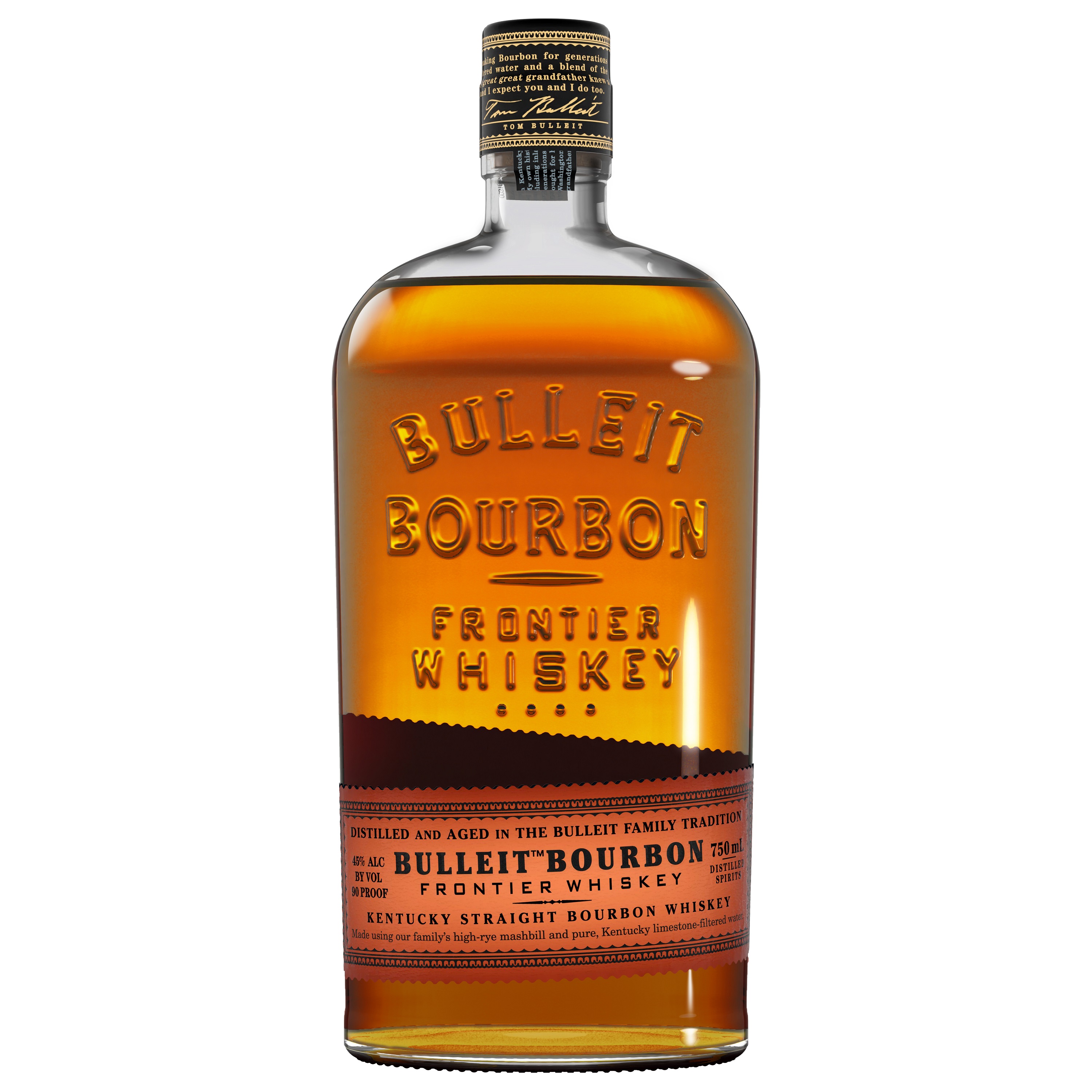
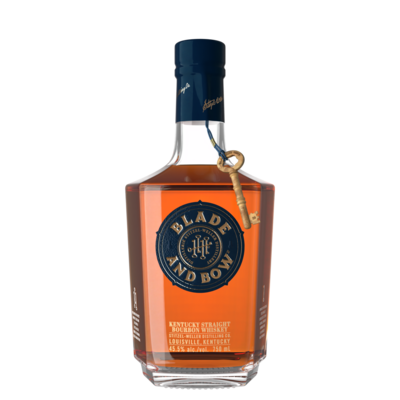
Bourbon is American whiskey made from a mash of at least half corn and matured in new charred oak, which pushes it sweet, round and full of vanilla. Scotch is made in Scotland, usually from malted barley, and matured for at least three years in casks that have generally held something else first, so it lands drier and more layered, with cereal, orchard fruit and, on Islay, peat smoke. Buy bourbon if you like sweetness and mix cocktails, Scotch if you want a dry dram to sip slowly.
Bourbon
- How it is made
- Distilled in the United States from a grain mash led by corn, then filled into brand new charred oak barrels. Nothing can be added but water, so all the colour and most of the flavour comes out of that fresh wood.
- How it tastes
- Sweet and broad. Vanilla, toffee, baked apple and a warm cinnamon spice, with the char showing as toasted sugar on the finish.
- Reach for it when
- An Old Fashioned, a Manhattan, or a first whisky for someone who finds Scotch too austere. It also takes ice well.
Scotch
- How it is made
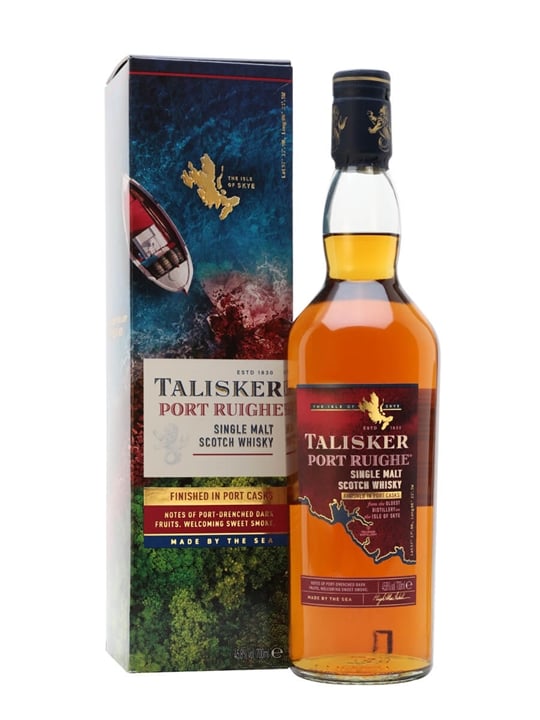
- Distilled and matured in Scotland for a minimum of three years in oak. Most casks are second-hand, having held bourbon or sherry, so the wood seasons the spirit rather than dominating it.
- How it tastes
- Drier and more varied. Barley sweetness, pear and heather in the Highlands and Speyside, salt and bonfire smoke on Islay.
- Reach for it when
- Sipping neat with a splash of water, and for anyone who wants to taste where a whisky comes from rather than the barrel it sat in.
Single malt vs blended Scotch
Single malt or blended Scotch, which should I buy?
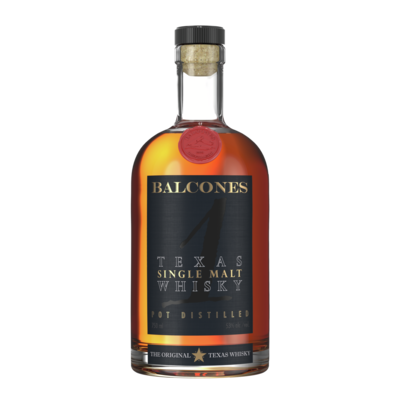
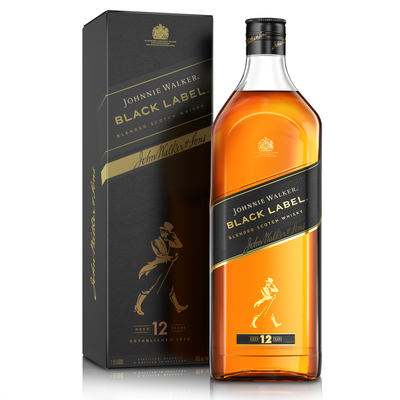
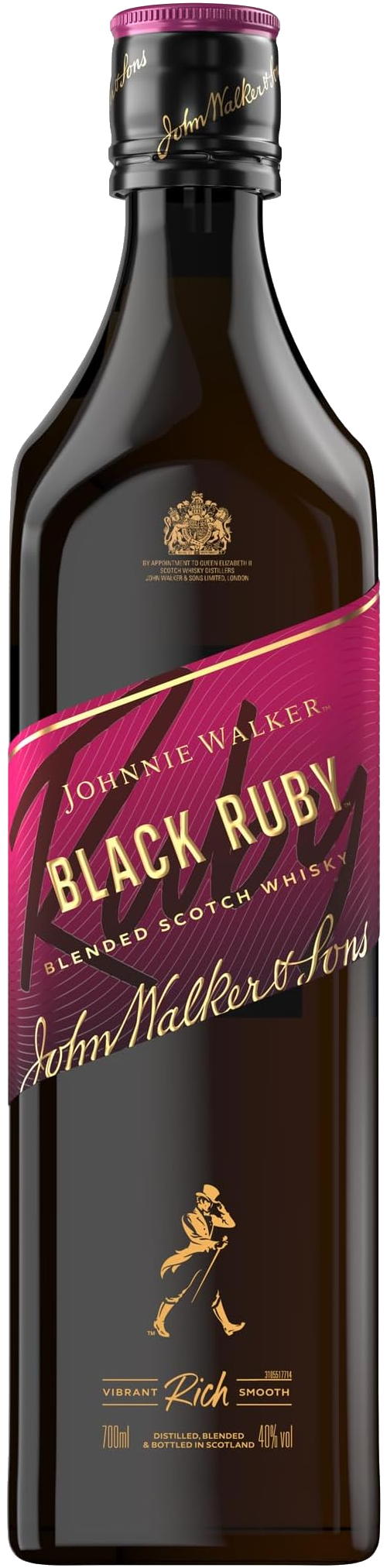
A single malt is made from malted barley at one distillery, so it carries that distillery's house character. A blend marries malt whisky from several distilleries with lighter grain whisky, which makes it smoother, more consistent and usually cheaper. Blends are the better everyday bottle and the better mixer, single malts are what you buy when you want to taste one place in particular.
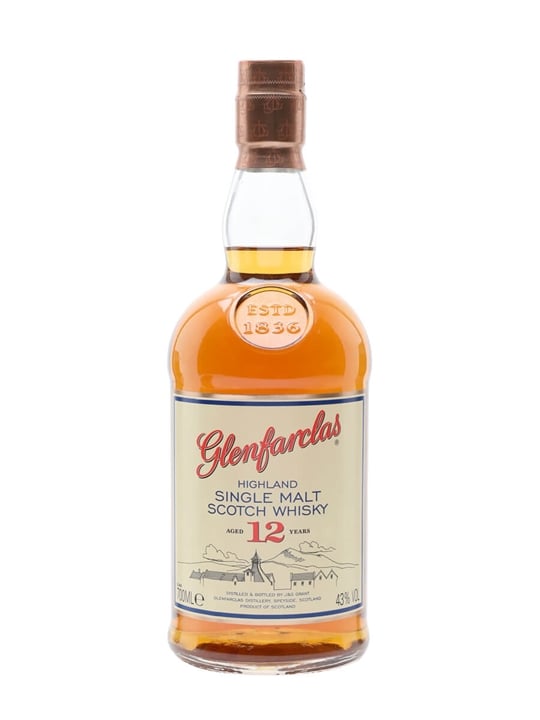
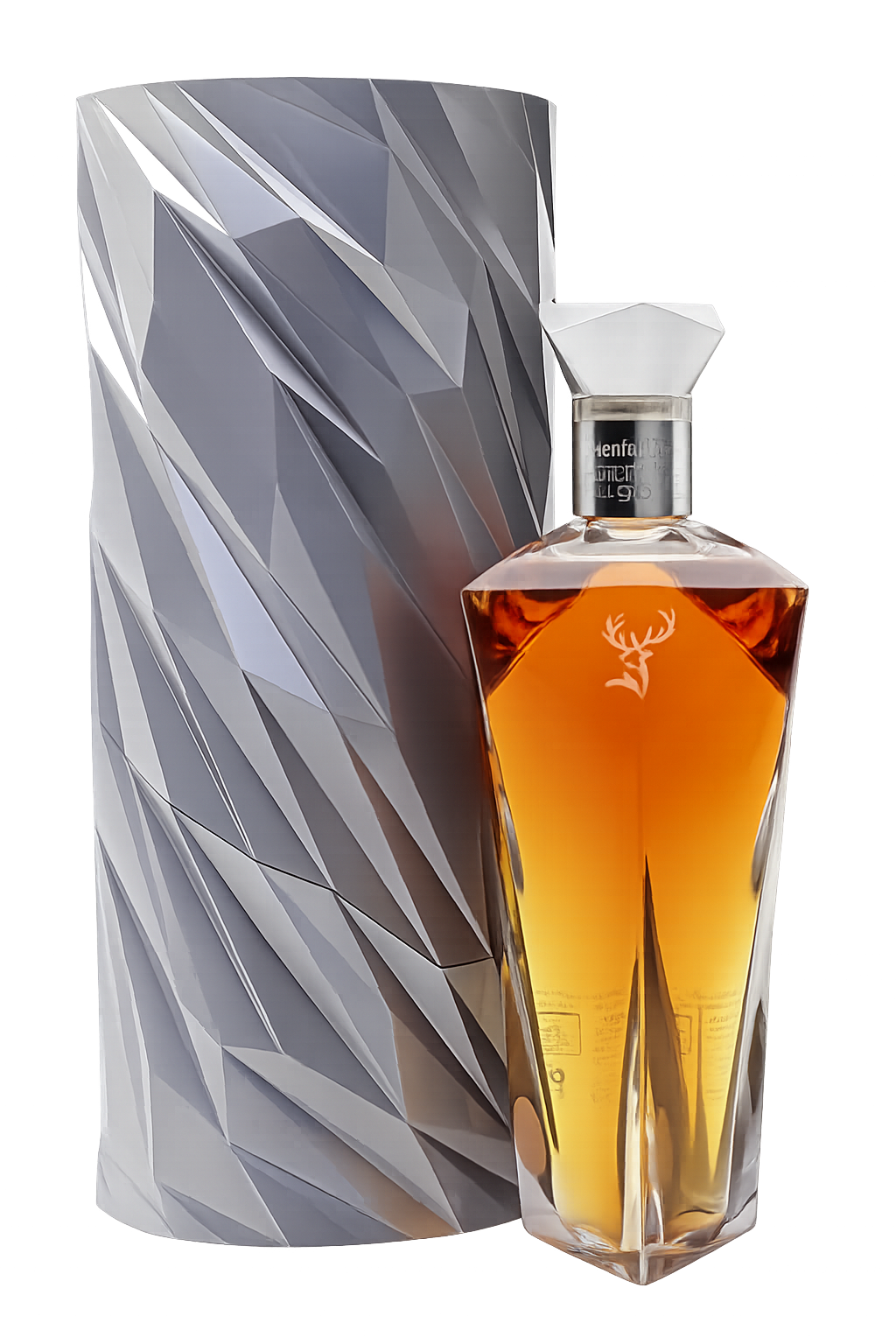
Single malt
- How it is made
- Malted barley only, distilled in pot stills at a single distillery, then matured in oak. Every bottling comes from that one site, which is why house style matters so much.
- How it tastes
- Distinct and often intense. Anything from honeyed and floral to oily, coastal and smoky, depending on the distillery.
- Reach for it when
- Slow drinking, comparing one distillery against another, and gifts where the name on the label means something.
Blended Scotch
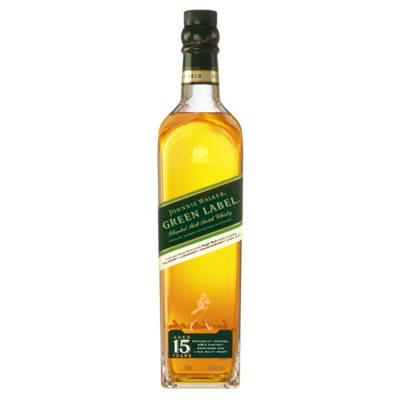
- How it is made
- Malt whiskies from several distilleries married with grain whisky, built to a recipe so each batch tastes the same as the last.
- How it tastes
- Softer and rounder. Light cereal, vanilla and a touch of dried fruit, with the edges smoothed off.
- Reach for it when
- A highball, a whisky sour, and the bottle you keep out for guests without wincing at the price.
Irish whiskey vs Scotch
How is Irish whiskey different from Scotch?
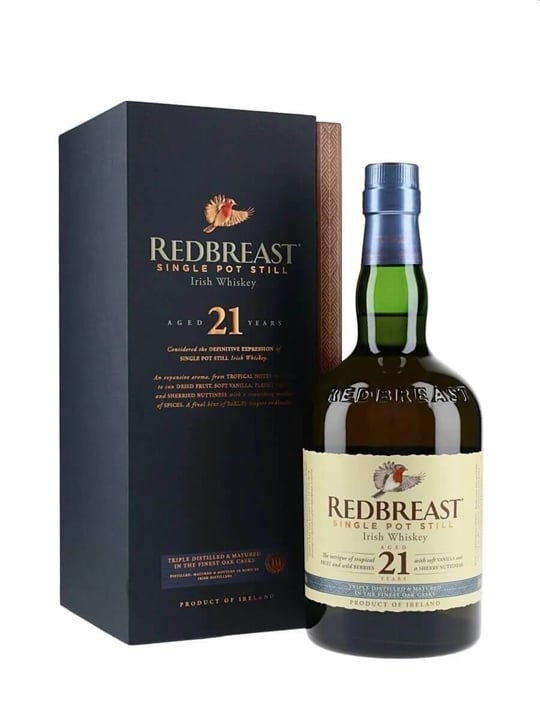
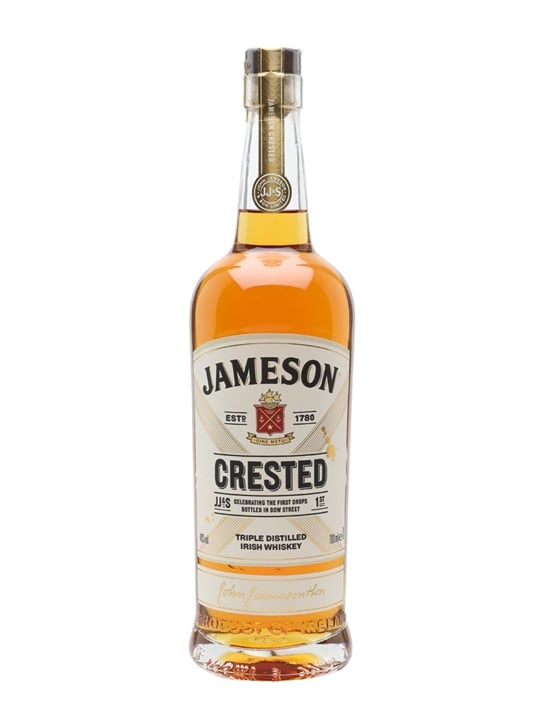
Both are aged at least three years in oak, but Irish whiskey is usually triple distilled and rarely peated, which makes it lighter and softer. Ireland also has a style of its own, single pot still, made from a mash of malted and unmalted barley that gives a thick, spicy texture nothing in Scotland matches. Scotch is typically distilled twice and covers a much wider range, up to heavy Islay smoke. Start with Irish if you want easy and smooth, Scotch if you want range.
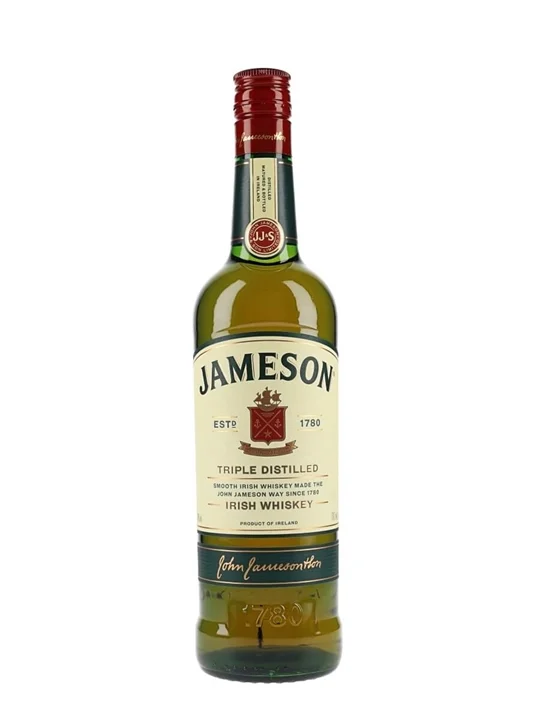
Irish whiskey
- How it is made
- Made on the island of Ireland and matured there for at least three years. Most is triple distilled, and single pot still whiskey uses both malted and unmalted barley in the mash.
- How it tastes
- Smooth and rounded. Orchard fruit, vanilla and a green, peppery spice in the pot still bottlings.
- Reach for it when
- A first whiskey, an easy neat pour, and anything you want to serve to a room of mixed tastes.
Scotch
- How it is made
- Distilled and matured in Scotland, usually twice distilled from malted barley, with the cask doing much of the shaping.
- How it tastes
- Wider and often firmer. Malt, dried fruit and oak spice, and on Islay a wave of peat smoke and sea salt.
- Reach for it when
- Exploring regions, and for the drinker who already knows they like a dram with grip.
Gin vs vodka
Gin vs vodka: what actually separates them?
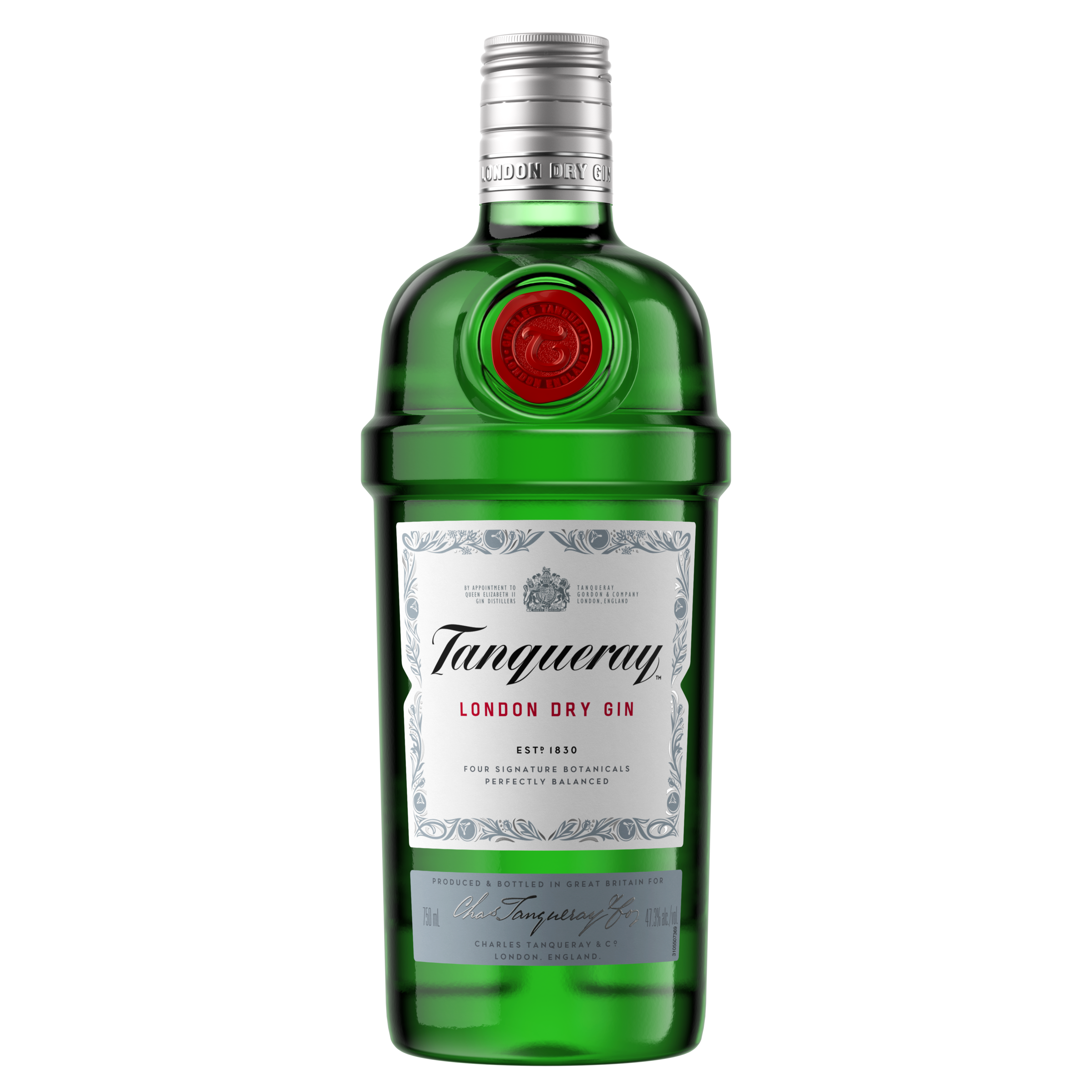
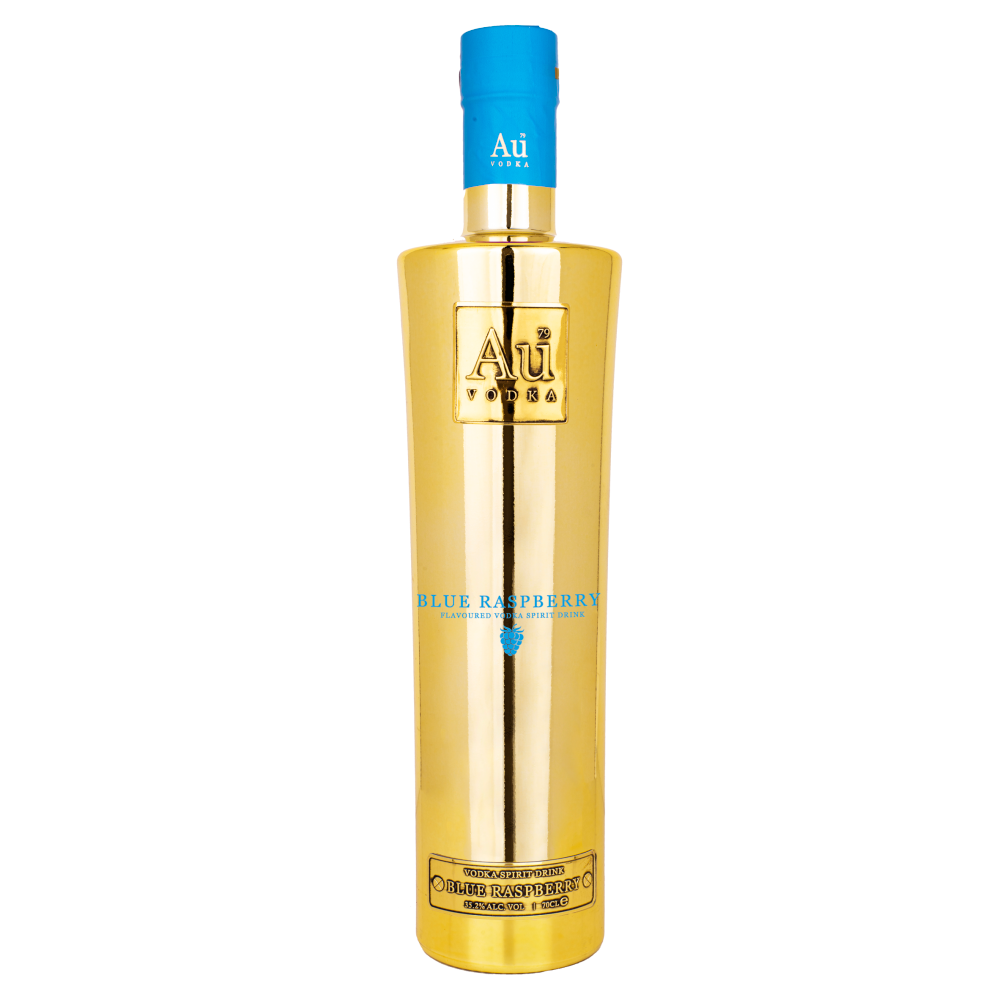
Both usually start life as the same thing, a clean high-strength spirit made from grain or another sugar-rich base. Vodka is then refined and cut with water to taste as neutral as possible. Gin is redistilled with botanicals, and juniper has to lead, which is what gives it that pine and citrus lift. Reach for vodka when you want the mixer to do the talking, gin when you want the drink to taste of something on its own.
Gin
- How it is made
- A neutral spirit redistilled with botanicals. Juniper must be the dominant flavour, and coriander, citrus peel, angelica and orris are common company.
- How it tastes
- Aromatic and dry. Pine and pepper from juniper, lemon and orange peel, sometimes floral or cucumber-fresh in contemporary styles.
- Reach for it when
- A gin and tonic, a Martini, a Negroni. Anything where you want the spirit to carry the drink.


Vodka
- How it is made
- Fermented from grain, potatoes or another base, distilled hard and often filtered, then cut with water. The craft is in what is taken out rather than what is put in.
- How it tastes
- Clean, with texture rather than flavour. Grain vodka runs crisp and peppery, potato vodka creamier and rounder.
- Reach for it when
- A Moscow Mule, an Espresso Martini, a Bloody Mary, and any long drink where the mixer is the star.
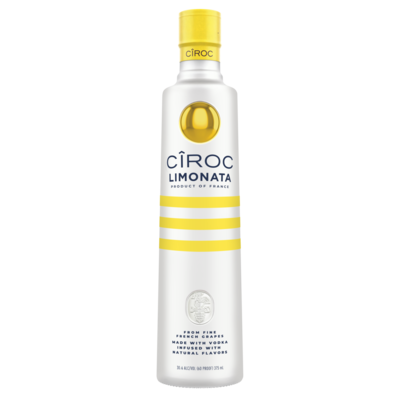
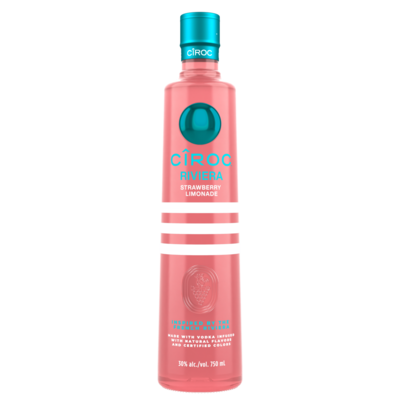
Sipping rum vs mixing rum
Sipping rum or mixing rum, what is the difference?
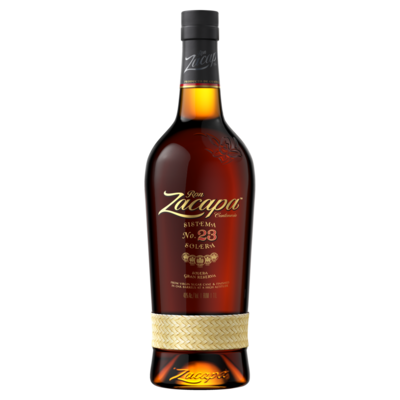
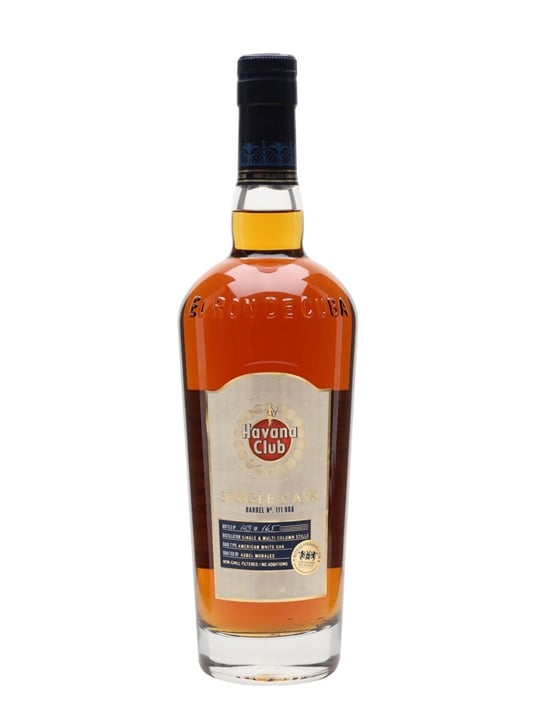
Mixing rums are built to be lighter and cheaper: mostly column distilled, young or unaged, and made to sit behind lime and sugar. Sipping rums spend real time in cask, often carry pot still character, and are made to be drunk neat like a good whisky. If you already buy single malt, an aged Barbados, Jamaican or Demerara rum is the shelf to start on.
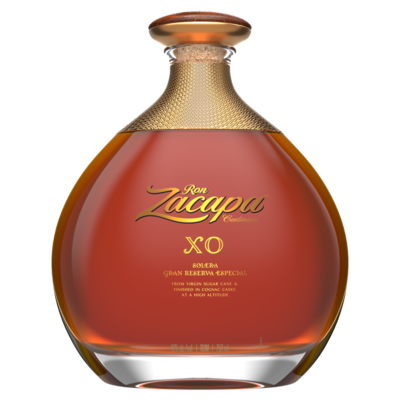
Sipping rum
- How it is made
- Distilled from molasses or cane juice, frequently in pot stills, then matured in barrel in the tropics where the heat pushes the spirit into the wood faster than it would in Scotland.
- How it tastes
- Rich and layered. Toffee, banana, dried fruit, tobacco leaf and oak, with the pot still bottlings bringing a distinctive funk.
- Reach for it when
- Drinking neat after dinner, and for whisky drinkers who have never bought rum for the glass rather than the shaker.
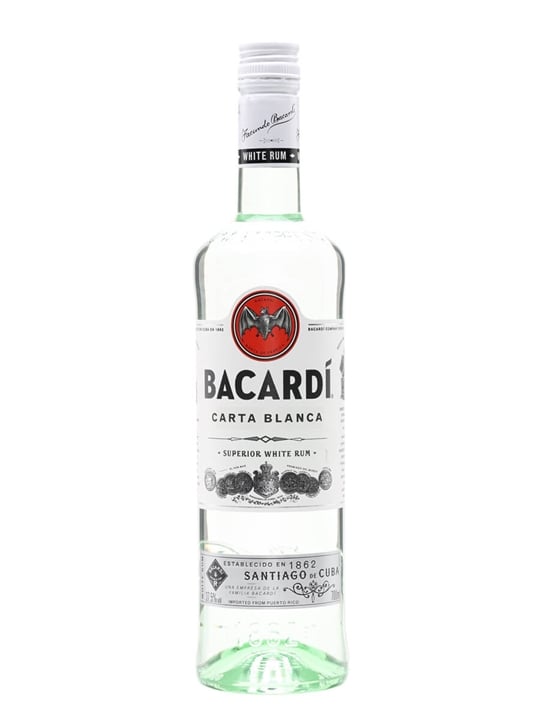
Mixing rum
- How it is made
- Usually column distilled for a lighter spirit, bottled young, and often filtered clear. Spiced rums add botanicals and sweetening after distillation.
- How it tastes
- Bright and simple. Cane sugar, coconut and light vanilla, with spiced bottlings leaning on cinnamon and orange.
- Reach for it when
- A daiquiri, a mojito, a rum and coke. Anything where the citrus and sugar set the balance.

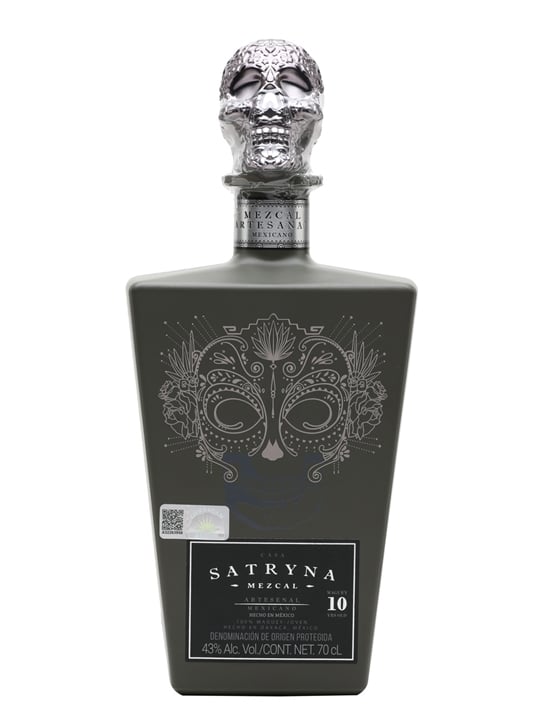
Tequila vs mezcal
Tequila vs mezcal: which one is for you?
Tequila is a type of mezcal, but the two are made differently. Tequila must come from blue agave and the agave is steamed, so it tastes cleaner and more citrusy. Mezcal can be made from many agave varieties and the hearts are roasted in earth pits, which is where its smoke and minerality come from. Start with tequila if you want bright and easy, mezcal if you want something wilder.
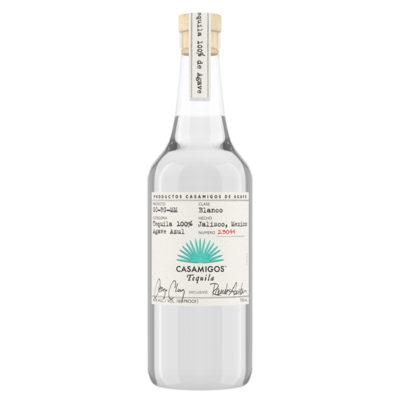
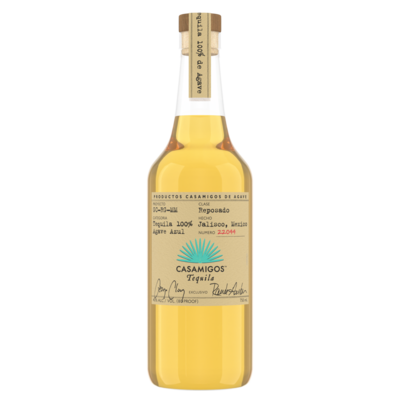
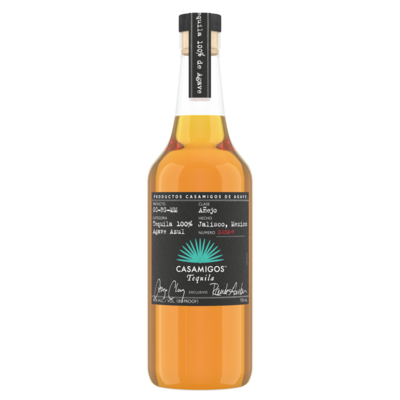
Tequila
- How it is made
- Blue agave only, grown and distilled in a defined part of Mexico centred on Jalisco. The agave is cooked with steam, then fermented and distilled, and may rest in oak as reposado or añejo.
- How it tastes
- Bright and peppery. Cooked agave, green herbs and citrus in a blanco, softening into vanilla and caramel with cask time.
- Reach for it when
- A Margarita or a Paloma with a blanco, and slow sipping with a reposado or añejo.
Mezcal
- How it is made
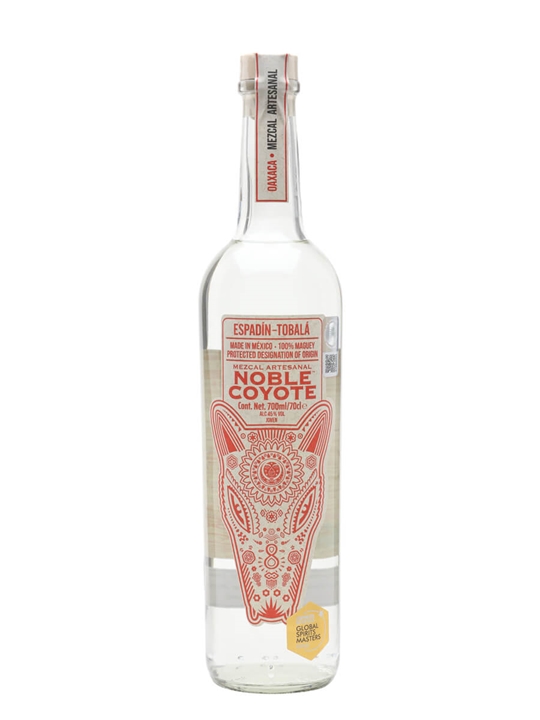
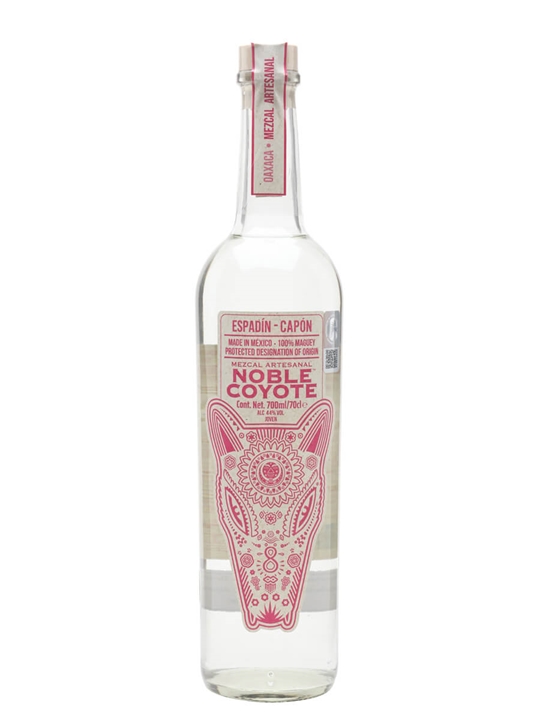
- Made from dozens of agave varieties across a much wider area, with Oaxaca at its heart. The hearts are roasted in earth-lined pits over hot rocks and wood, which is what makes mezcal smoky.
- How it tastes
- Smoky and mineral. Roasted agave, wet stone, tropical fruit and a long dry finish.
- Reach for it when
- Sipping in small pours, or a half measure in a Margarita to give the drink a smoky edge.
Still deciding? Answer a few questions about what you already enjoy and we will point you at bottles worth trying, or read the plain answers to the questions people ask most.