Spirits, Explained
Spirits FAQ
Straight answers to the questions drinkers actually ask, with somewhere useful to go next.
New to spirits, or just want a quick, honest answer without wading through a textbook? This is our running list of the questions we get asked most, from how to store an open bottle to what actually separates one style from another. Every answer points you to a guide, an article, or the right corner of the catalogue so you can go deeper or start exploring.
How should I store an open bottle of whisky?
Keep it upright, out of direct sunlight, and somewhere with a stable temperature. Unlike wine, whisky does not need to lie down, and standing it up stops the high-strength spirit from degrading the cork. Once a bottle is open, oxygen slowly changes the flavour, so a bottle that is more than half empty is best finished within a year or two. If you want to keep a special bottle longer, decanting the last third into a smaller bottle reduces the air it sits against.
What is the difference between blanco, reposado and añejo tequila?
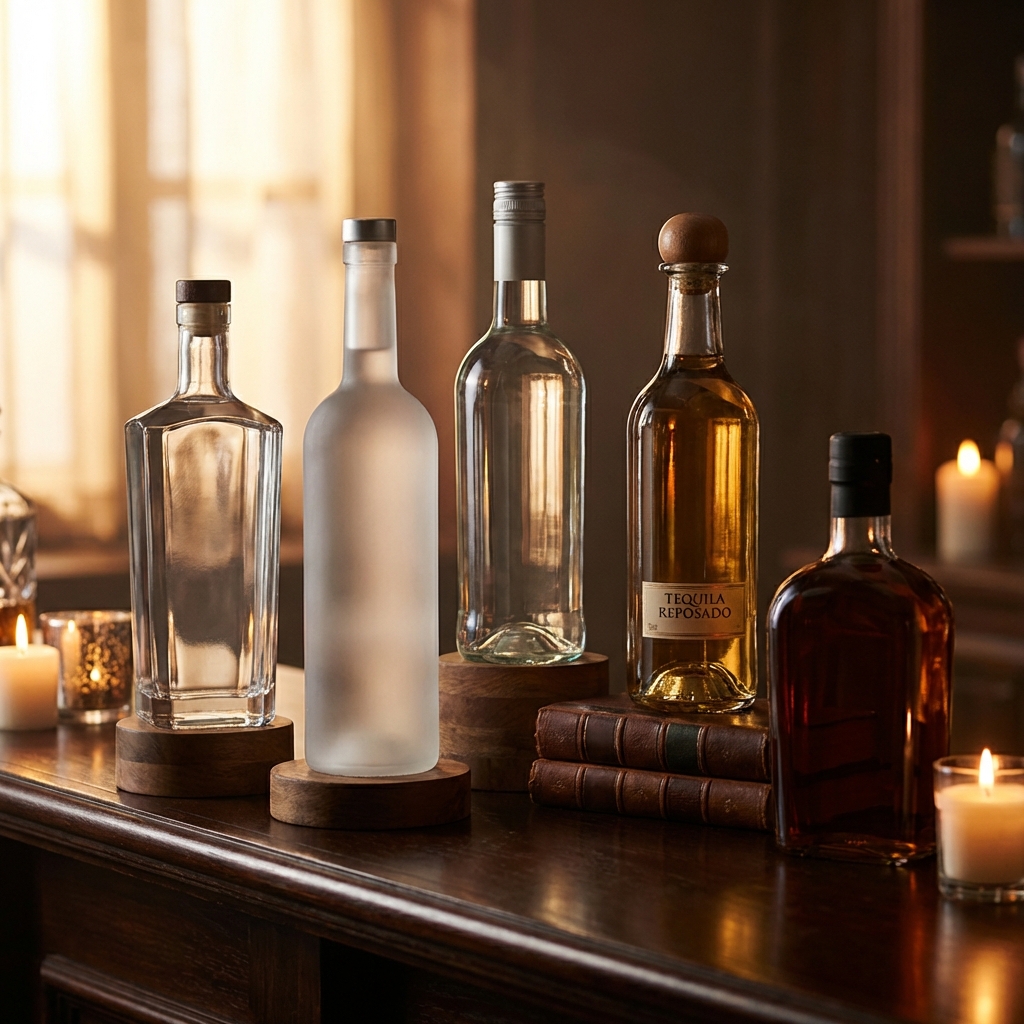
It comes down to time in oak. Blanco (or silver) is bottled soon after distillation and tastes bright, peppery, and full of fresh agave. Reposado rests in barrels for two months to a year, picking up gentle vanilla and spice while keeping its agave character. Añejo ages for one to three years and turns smoother and darker, with caramel and oak flavours closer to an aged whisky. Blanco shines in cocktails, while reposado and añejo reward slow sipping.
Does tequila go off?
Unopened, a sealed bottle of tequila keeps more or less indefinitely, because the alcohol acts as a preservative. Once you open it, the spirit does not spoil in a way that will make you ill, but the flavour slowly fades as it meets air, especially in a bottle that is nearly empty. For the best taste, keep it sealed tight, store it upright away from heat and light, and aim to finish an open bottle within a year or so.
What makes a gin a London Dry?
London Dry is a style, not a place, so it can be made anywhere. The rules are strict: all the botanicals must be added during distillation, nothing can be flavoured or coloured afterwards, and only a tiny amount of sweetening is allowed. The result is a clean, juniper-forward gin with no artificial extras, which is why it is the backbone of a classic gin and tonic or a dry Martini. Contemporary and flavoured gins bend those rules for a softer or fruitier character.
Is all rum sweet, and what are the main styles?
Rum is not always sweet, though it often tastes that way because it is made from sugarcane or molasses. The big divisions are white rum, which is light and clean for mixing, golden and dark rums, which spend longer in barrel and bring toffee and dried fruit, and aged sipping rums that rival a good whisky. There are also agricole rums made from fresh cane juice, with a grassier, funkier edge. How sweet a rum tastes depends on the base, the ageing, and whether any sugar is added after distillation.
How is vodka actually made?
Vodka starts with a base ingredient rich in sugar or starch, usually grain or potatoes but sometimes grapes or even milk. That base is fermented into a rough alcohol, then distilled, often several times, to strip out flavour and leave a clean, high-strength spirit. Many vodkas are also filtered, sometimes through charcoal, before being cut with water to bottling strength. The base ingredient and the level of distillation are what give one vodka a creamy weight and another a crisp, neutral edge.
What is the difference between Scotch, bourbon and Irish whiskey?
All three are whiskey, but the rules and the flavours differ. Scotch is made in Scotland, usually from malted barley, and can be anything from delicate to heavily peated and smoky. Bourbon is American and made mostly from corn, which gives it a sweeter, richer profile of vanilla and caramel from new charred oak barrels. Irish whiskey is typically triple distilled for a smooth, lighter character, with the unique single pot still style using both malted and unmalted barley. Region, grain, and cask are what set them apart.
Why is some whisky smoky?
The smokiness comes from peat. To turn barley into malt, it has to be dried, and some distilleries, especially on the Scottish island of Islay, dry it over burning peat. The smoke soaks into the barley and carries all the way through to the glass, giving flavours of bonfire, seaweed, and medicine. Whiskies dried with hot air instead have no smoke at all. If you have never tried a peated dram, it is one of the most striking flavours in all of spirits.
What is the difference between tequila and mezcal?
Both are Mexican agave spirits, and tequila is technically a type of mezcal, but they are made differently. Tequila must be made from blue agave, mostly around the town of Tequila, and is usually cooked in ovens or autoclaves. Mezcal can be made from dozens of agave varieties across a wider area, and the agave hearts are traditionally roasted in earthen pits, which gives mezcal its signature smoky, earthy flavour. Tequila tends to be cleaner and more citrusy, mezcal wilder and smokier.
What kit do I actually need to start making cocktails at home?
Less than you think. A shaker, a jigger for measuring, a bar spoon, and a strainer will let you make the vast majority of classic cocktails. Add a fine strainer and a mixing glass as you get more serious. Good ice matters more than most gadgets, and a couple of decent glasses go a long way. Start with the essentials, learn a few recipes you enjoy, and build from there rather than buying a drawer full of tools you will never use.
Which spirit should I buy if I am not sure what I like?
Start from flavours rather than categories. If you enjoy sweet and smooth, a golden rum or a bourbon is an easy way in. If you like crisp and clean, a good gin or vodka is friendly and mixable. If you want something to sip and think about, a lighter Speyside whisky or a reposado tequila rewards attention without overwhelming a newcomer. The quickest route is to answer a few questions about what you already enjoy and let a recommendation point you at bottles worth trying.
Got the basics? The best way to learn is to taste. Save what you try, build your cabinet, and discover what to reach for next.
Explore the full catalogue on The Distillery App →